EN
EN
The global aerosol industry faces countless challenges when it comes to maintaining product integrity during transportation. From temperature fluctuations to pressure changes and handling concerns, aerosol manufacturers must implement comprehensive strategies to ensure their products reach consumers in perfect condition. This complex process involves sophisticated packaging solutions, rigorous quality control measures, and adherence to strict international shipping regulations that govern the transport of pressurized containers.
Product stability during shipping represents a critical factor that directly impacts brand reputation, customer satisfaction, and regulatory compliance. When aerosol products fail during transit, the consequences can include container rupture, product degradation, and potential safety hazards. Leading companies in the industry have developed sophisticated approaches to mitigate these risks through advanced materials science, innovative packaging technologies, and comprehensive testing protocols.
Understanding the Challenges of Aerosol Shipping
Temperature Variations and Their Impact
Temperature fluctuations during transportation pose one of the most significant threats to aerosol product stability. When exposed to extreme heat, pressurized containers can experience dangerous pressure increases that may lead to valve failure or container rupture. Conversely, extremely cold temperatures can affect product viscosity, propellant performance, and overall functionality. Aerosol manufacturers must account for temperature ranges that can vary from sub-zero conditions in cargo holds to scorching heat on loading docks.
Professional manufacturers conduct extensive thermal stability testing to determine safe operating ranges for their products. This testing involves subjecting samples to controlled temperature cycles that simulate real-world shipping conditions. The data collected helps establish appropriate storage and handling guidelines that prevent product degradation while maintaining safety standards throughout the supply chain.
Pressure Management During Transit
Atmospheric pressure changes during air transport and altitude variations in ground transportation create additional challenges for maintaining product stability. These pressure differentials can cause container deformation, affect valve sealing integrity, and potentially compromise the product's performance characteristics. Modern aerosol manufacturers address these concerns through specialized container designs and pressure-relief mechanisms.
Advanced pressure monitoring systems help track container performance throughout the shipping process. These systems provide real-time data on pressure variations and alert handlers to potential issues before they become critical problems. Such monitoring capabilities enable proactive intervention and help maintain product quality from production facility to end consumer.
Advanced Packaging Solutions for Product Protection
Innovative Container Design Technologies
Contemporary aerosol container design incorporates multiple protective features that enhance shipping stability. These include reinforced valve assemblies, improved sealing systems, and optimized container geometry that distributes stress more effectively. Manufacturers utilize advanced materials science to create containers that maintain structural integrity under various shipping stresses while preserving product quality.
The integration of smart packaging technologies allows for real-time monitoring of container conditions during transportation. These intelligent systems can track temperature, pressure, and handling impacts, providing valuable data that helps optimize shipping procedures and identify potential improvement areas. Such technological advances represent the cutting edge of aerosol packaging innovation.
Protective Packaging and Cushioning Systems
Secondary packaging plays a crucial role in protecting aerosol containers during shipping and handling. High-performance cushioning materials, impact-resistant outer packaging, and strategic product orientation within shipping containers all contribute to maintaining product stability. These protective measures must balance effectiveness with cost considerations while meeting environmental sustainability requirements.
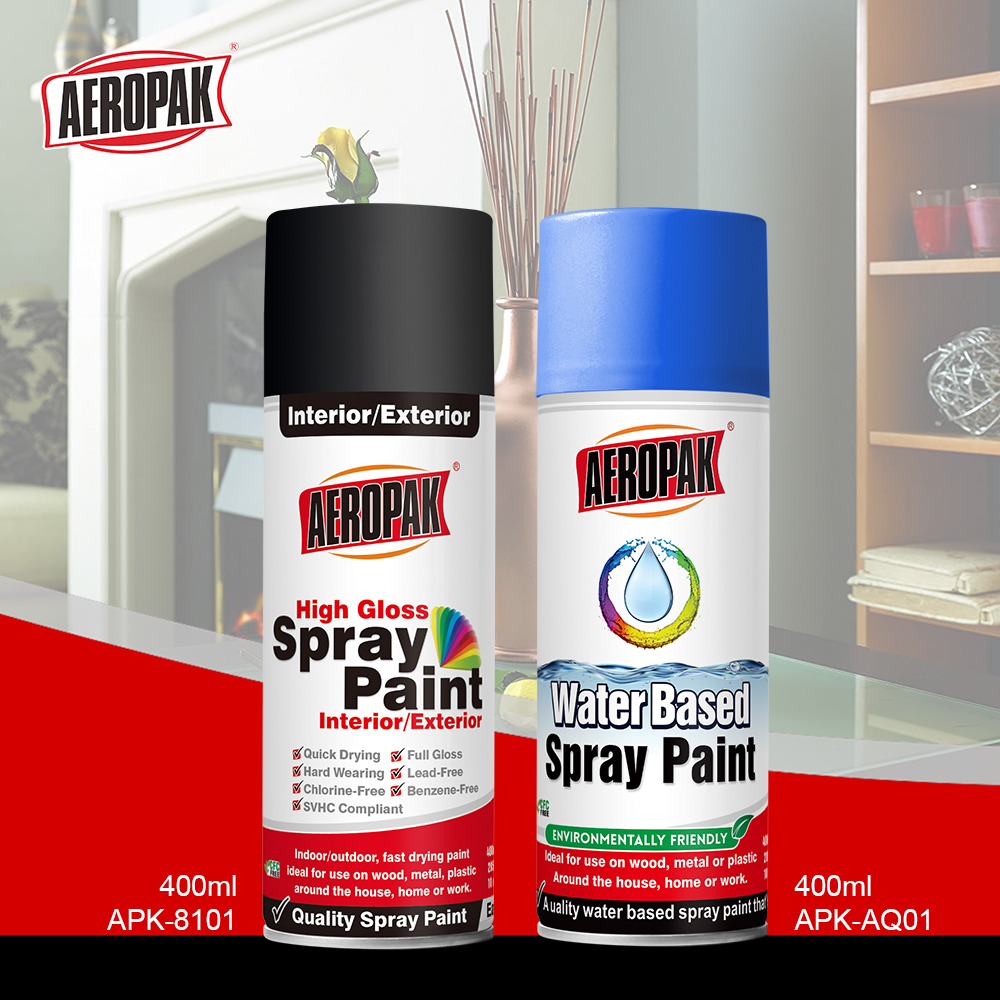
Specialized packaging designs accommodate the unique requirements of different aerosol products. For instance, automotive care products like silicone sprays require packaging that prevents contamination while maintaining optimal temperature conditions. The development of product-specific packaging solutions demonstrates the sophisticated approach that leading aerosol manufacturers take toward ensuring shipping stability.
Quality Control and Testing Protocols
Pre-Shipment Inspection Procedures
Comprehensive quality control measures begin before products leave the manufacturing facility. These procedures include visual inspections, pressure testing, functionality verification, and batch sampling to ensure consistent quality standards. Aerosol manufacturers implement multi-stage inspection processes that identify potential issues before they can impact product performance during shipping.
Automated inspection systems utilize advanced sensor technologies to detect minute variations in container integrity, valve performance, and product consistency. These systems can process thousands of units per hour while maintaining extremely high accuracy levels, ensuring that only products meeting strict quality standards proceed to shipping and distribution.
Simulation Testing for Shipping Conditions
Laboratory simulation testing replicates the various stresses and environmental conditions that products encounter during shipping. This includes vibration testing, drop testing, temperature cycling, and pressure variation simulation. Such comprehensive testing protocols help manufacturers identify potential failure modes and develop appropriate protective measures.
Long-term stability studies evaluate how products perform under extended shipping and storage conditions. These studies provide valuable insights into product shelf life, performance degradation patterns, and optimal storage requirements. The data generated helps establish shipping guidelines and storage recommendations that maintain product quality throughout the distribution chain.
Regulatory Compliance and Safety Standards
International Shipping Regulations
Aerosol products fall under strict international regulations governing the transport of dangerous goods. These regulations, established by organizations such as the International Air Transport Association and the International Maritime Organization, specify requirements for packaging, labeling, documentation, and handling procedures. Compliance with these standards is mandatory for legal shipping and helps ensure safety throughout the transportation process.
Understanding and adhering to these complex regulatory frameworks requires specialized expertise and ongoing training. Aerosol manufacturers must stay current with evolving regulations and ensure their shipping procedures meet all applicable requirements. This includes proper classification of products, accurate documentation, and coordination with certified shipping partners who understand the unique requirements of aerosol transportation.
Documentation and Traceability Systems
Comprehensive documentation systems track products throughout the shipping process and provide essential information for regulatory compliance. These systems maintain detailed records of product specifications, packaging procedures, shipping conditions, and handling instructions. Such documentation proves invaluable for quality investigations, regulatory audits, and continuous improvement initiatives.
Advanced traceability technologies enable real-time tracking of individual product batches throughout the supply chain. This capability supports rapid response to quality issues, facilitates product recalls when necessary, and provides valuable data for optimizing shipping procedures. Modern aerosol manufacturers leverage these systems to maintain the highest standards of product integrity and customer satisfaction.
Environmental Considerations and Sustainability
Eco-Friendly Packaging Materials
Environmental sustainability has become increasingly important in aerosol packaging and shipping. Manufacturers are developing innovative packaging materials that provide excellent protection while minimizing environmental impact. These include recyclable cushioning materials, biodegradable protective films, and optimized packaging designs that reduce material usage without compromising protection.
The transition to sustainable packaging solutions requires careful evaluation of environmental benefits versus protective performance. Leading aerosol manufacturers conduct lifecycle assessments to ensure that eco-friendly packaging alternatives maintain the same level of product protection while reducing overall environmental footprint. This holistic approach demonstrates the industry's commitment to environmental stewardship.
Reducing Transportation Environmental Impact
Optimizing shipping efficiency helps reduce the environmental impact of aerosol product transportation. This includes developing more compact packaging designs, improving load optimization, and selecting transportation methods that minimize carbon footprint. Such initiatives support corporate sustainability goals while potentially reducing shipping costs.
Collaborative efforts with logistics partners focus on developing more sustainable transportation solutions. These partnerships explore alternative transportation methods, optimize delivery routes, and implement fuel-efficient vehicles. The integration of environmental considerations into shipping decisions reflects the growing importance of sustainability in industrial operations.
Technology Integration and Future Innovations
Smart Packaging Technologies
Emerging technologies are revolutionizing how aerosol manufacturers monitor and maintain product stability during shipping. Smart packaging incorporates sensors, communication devices, and data analytics capabilities that provide unprecedented visibility into product conditions throughout the transportation process. These systems can detect temperature excursions, pressure variations, and handling impacts in real time.
The integration of Internet of Things technologies enables continuous monitoring and automated alerts when shipping conditions deviate from acceptable parameters. This proactive approach allows for immediate intervention to prevent product damage and ensures that any issues are addressed promptly. Such technological advances represent the future of intelligent packaging solutions.
Predictive Analytics for Quality Assurance
Advanced data analytics help predict potential quality issues before they occur. By analyzing historical shipping data, environmental conditions, and product performance patterns, manufacturers can identify risk factors and implement preventive measures. This predictive approach significantly improves product stability and reduces the likelihood of shipping-related quality problems.
Machine learning algorithms continuously improve prediction accuracy by analyzing vast amounts of shipping and quality data. These systems can identify subtle patterns that might escape human observation and recommend optimization strategies for improving product stability. The application of artificial intelligence in aerosol shipping represents a significant advancement in quality assurance capabilities.
FAQ
What are the main factors that affect aerosol stability during shipping
The primary factors affecting aerosol stability during shipping include temperature fluctuations, pressure variations, physical impacts from handling, and exposure duration. Temperature changes can affect propellant pressure and product viscosity, while pressure variations during air transport can stress container seals. Physical impacts from rough handling can damage valves or containers, and extended exposure to adverse conditions can degrade product performance. Manufacturers address these factors through specialized packaging, environmental controls, and handling protocols.
How do manufacturers test products for shipping stability
Manufacturers employ comprehensive testing protocols that simulate real-world shipping conditions. This includes temperature cycling tests that expose products to extreme hot and cold conditions, vibration testing that replicates transportation stresses, drop testing for impact resistance, and pressure variation simulation for air transport conditions. Long-term stability studies evaluate product performance over extended periods, while accelerated aging tests predict long-term behavior. These testing procedures help identify potential failure modes and optimize packaging designs.
What regulations govern aerosol shipping and transportation
Aerosol shipping is governed by international regulations including the International Air Transport Association Dangerous Goods Regulations for air transport and International Maritime Dangerous Goods Code for sea transport. These regulations specify requirements for packaging, labeling, documentation, and handling procedures. Domestic regulations such as Department of Transportation rules in the United States also apply. Compliance requires proper product classification, certified packaging, accurate documentation, and coordination with qualified shipping partners who understand dangerous goods requirements.
How can companies minimize shipping damage to aerosol products
Companies can minimize shipping damage through multiple strategies including robust container design with reinforced components, high-quality protective packaging with appropriate cushioning materials, and careful selection of shipping partners with experience handling aerosol products. Environmental controls such as temperature-controlled transportation, proper product orientation during packaging, and comprehensive quality control procedures also help prevent damage. Additionally, implementing tracking systems, providing clear handling instructions, and maintaining proper documentation support damage prevention throughout the shipping process.