EN
EN
Selecting the right coating solution for automotive and industrial projects requires careful consideration of durability, application ease, and performance characteristics. Modern spray painting technologies have revolutionized how professionals approach surface protection and aesthetic enhancement across diverse sectors. Understanding the specific requirements of your project, whether it involves vehicle customization or industrial equipment maintenance, forms the foundation for making informed coating decisions. The market offers numerous specialized formulations designed to meet varying environmental conditions, substrate compatibility, and performance expectations.
Understanding Different Types of Automotive and Industrial Coatings
Traditional Solvent-Based Formulations
Solvent-based coatings have dominated the automotive and industrial markets for decades due to their exceptional adhesion properties and chemical resistance. These formulations typically contain high concentrations of volatile organic compounds that facilitate smooth application and rapid film formation. Professional automotive refinishers often prefer solvent-based systems for their superior flow characteristics and ability to achieve mirror-like finishes on vehicle surfaces. The durability of these coatings makes them particularly suitable for harsh industrial environments where equipment faces constant exposure to chemicals, abrasion, and extreme temperatures.
Industrial applications frequently demand the robust performance that traditional solvent-based formulations provide, especially in manufacturing facilities where equipment undergoes continuous operational stress. These coatings excel in applications requiring long-term corrosion protection and mechanical durability. However, environmental regulations and workplace safety considerations have prompted many organizations to evaluate alternative coating technologies that offer comparable performance with reduced environmental impact.
Water-Based Coating Technologies
Water-based coating systems represent a significant advancement in environmentally conscious surface protection technology. These formulations achieve impressive performance characteristics while dramatically reducing volatile organic compound emissions compared to traditional solvent-based alternatives. Modern water-based systems incorporate advanced polymer chemistry that delivers exceptional adhesion, flexibility, and weather resistance suitable for both automotive and industrial applications.
The application characteristics of water-based coatings have improved substantially through technological innovations, making them viable alternatives for professional spray applications. These systems offer excellent color retention, UV stability, and chemical resistance while maintaining user-friendly application properties. Many automotive manufacturers have transitioned to water-based systems for original equipment finishing, validating their performance and durability for demanding applications.
Specialized Elastomeric Formulations
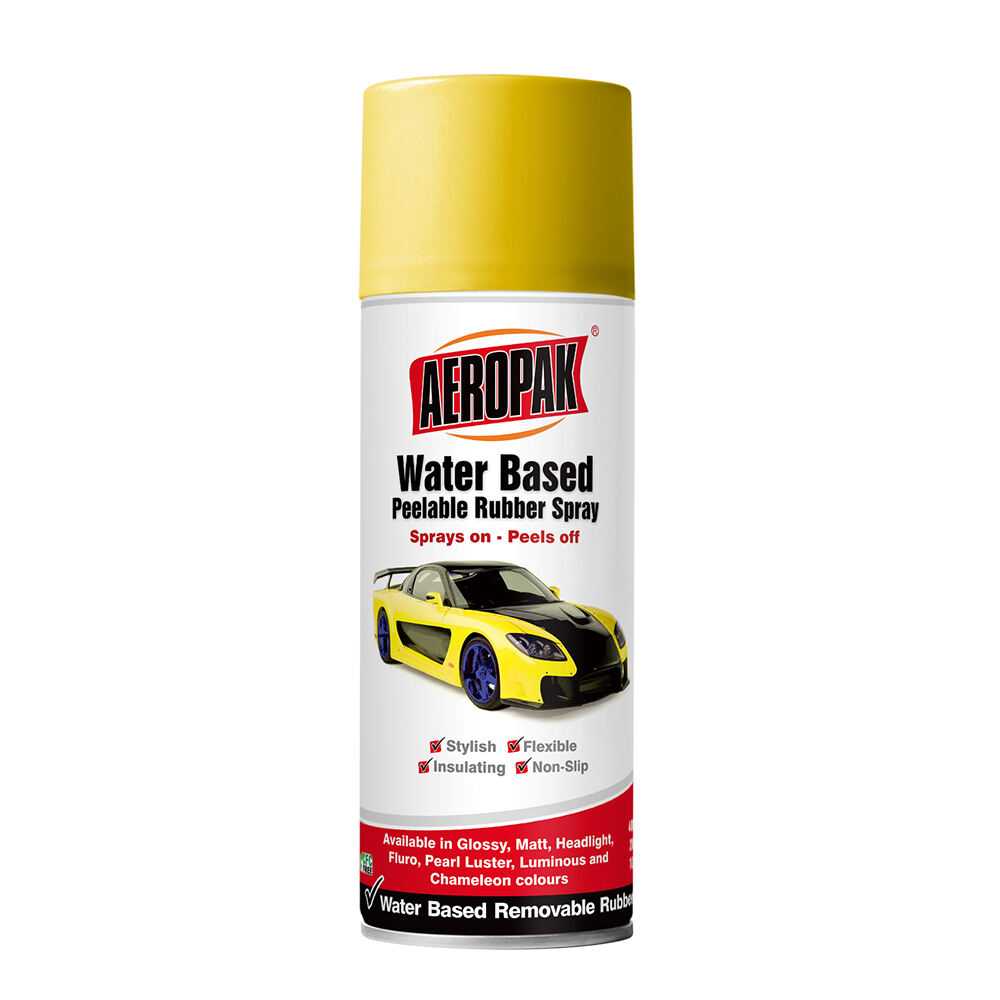
Elastomeric coatings, including advanced rubber paint formulations, offer unique benefits for applications requiring flexibility and removability. These specialized coatings maintain their integrity under mechanical stress, temperature fluctuations, and dynamic loading conditions commonly encountered in automotive and industrial environments. The elastic properties of these formulations prevent cracking and peeling when applied to substrates that experience expansion and contraction cycles.
Professional applications often utilize elastomeric coatings for temporary protection during manufacturing processes, seasonal equipment modifications, or situations where coating removal may be necessary without damaging underlying surfaces. The reversible nature of these coatings provides flexibility for changing aesthetic requirements or temporary protective applications while maintaining excellent barrier properties during service life.
Key Performance Characteristics for Professional Applications
Adhesion and Surface Preparation Requirements
Achieving optimal coating performance begins with understanding substrate compatibility and proper surface preparation techniques. Different coating formulations exhibit varying adhesion characteristics depending on substrate material, surface energy, and contamination levels. Professional applications require systematic evaluation of these factors to ensure long-term coating integrity and performance. Metal substrates typically require different preparation methods compared to plastic or composite materials commonly found in modern automotive and industrial applications.
Surface preparation protocols must align with coating manufacturer specifications to achieve warranty-compliant installations. This includes appropriate cleaning procedures, abrasion techniques, and primer selection when required. Professional applicators understand that inadequate surface preparation represents the primary cause of premature coating failure, regardless of the coating quality or application technique employed.
Environmental Resistance Properties
Environmental durability encompasses multiple performance aspects including UV resistance, chemical compatibility, temperature stability, and moisture barrier properties. Automotive applications face unique challenges from road salt, fuel exposure, and temperature cycling that demand specific performance characteristics. Industrial environments may present different but equally demanding conditions including chemical exposure, abrasion, and extreme temperature variations that require careful coating selection.
Understanding the specific environmental challenges of your application enables informed coating selection that balances performance requirements with cost considerations. Some applications may prioritize short-term aesthetic properties while others require decades of reliable protection under harsh service conditions. Professional coating selection involves evaluating these trade-offs to optimize overall project success and lifecycle costs.
Application Method Compatibility
Different coating formulations exhibit varying compatibility with application methods including conventional spray guns, airless systems, and aerosol delivery mechanisms. Viscosity characteristics, particle size distribution, and film-forming properties influence the selection of appropriate application equipment and techniques. Professional applicators must consider these factors when selecting coatings for specific project requirements and available equipment capabilities.
Aerosol delivery systems offer convenience and portability advantages for certain applications, particularly touch-up work and small-area coverage. However, these systems may have limitations regarding film thickness control and coverage rates compared to conventional spray equipment. Understanding these trade-offs helps professionals select the most appropriate application method for their specific requirements and quality standards.
Evaluating Cost-Effectiveness and Performance Trade-offs
Initial Cost Versus Long-term Value
Professional coating selection requires comprehensive evaluation of total project costs including material expenses, application labor, surface preparation requirements, and expected service life. Premium coating formulations may command higher initial costs but deliver superior durability and performance that reduces long-term maintenance expenses and replacement frequency. This economic analysis becomes particularly important for large-scale industrial projects where coating failure can result in significant operational disruptions and replacement costs.
Value engineering approaches consider multiple factors including warranty coverage, manufacturer technical support, and proven performance history in similar applications. Professional contractors often maintain relationships with coating suppliers who provide technical assistance, training programs, and warranty support that add value beyond the basic product cost. These services can significantly impact project success and long-term customer satisfaction.
Performance Specification Compliance
Many automotive and industrial applications must comply with specific performance standards established by industry organizations, government agencies, or original equipment manufacturers. These specifications typically define minimum requirements for adhesion strength, environmental resistance, appearance characteristics, and safety properties. Professional coating selection must ensure compliance with all applicable standards while meeting project-specific performance requirements.
Specification compliance often requires documented testing and certification from recognized laboratories or certification bodies. This documentation becomes essential for warranty claims, regulatory compliance, and quality assurance programs. Professional applicators must understand these requirements and select coatings that provide appropriate documentation and support for their specific applications.
Application Best Practices for Optimal Results
Environmental Control and Safety Considerations
Professional coating application requires careful attention to environmental conditions including temperature, humidity, air movement, and contamination control. These factors significantly influence coating performance, application quality, and worker safety. Proper ventilation systems, personal protective equipment, and environmental monitoring ensure safe working conditions while optimizing coating performance and appearance characteristics.
Temperature and humidity control become particularly critical for water-based coating systems and rubber paint formulations that exhibit sensitivity to environmental conditions during application and curing phases. Professional spray booths and controlled application environments provide consistent conditions that enable predictable coating performance and appearance quality. Investment in proper environmental control systems often pays dividends through improved coating quality and reduced rework requirements.
Quality Control and Inspection Procedures
Systematic quality control procedures ensure consistent coating performance and appearance across all project phases. This includes incoming material inspection, application monitoring, and post-application evaluation using appropriate test methods and measurement equipment. Professional applicators implement documented quality control procedures that provide traceability and accountability for coating performance.
Modern quality control techniques incorporate digital measurement tools, photographic documentation, and statistical process control methods that enable continuous improvement and consistent results. These procedures become essential for large projects, warranty compliance, and customer satisfaction. Investment in quality control systems and training typically reduces overall project costs through decreased rework and improved customer relationships.
FAQ
What factors should I consider when selecting spray paint for automotive wheel applications
Automotive wheel applications require coatings that withstand brake dust, road salt, temperature cycling, and mechanical impact while maintaining aesthetic appearance. Key considerations include substrate compatibility with aluminum or steel wheels, chemical resistance to cleaning products and road contaminants, and flexibility to accommodate thermal expansion. Specialized formulations like rubber paint offer excellent adhesion and flexibility for wheel applications while providing easy removal when refinishing becomes necessary.
How do environmental regulations impact coating selection for industrial applications
Environmental regulations significantly influence coating selection through volatile organic compound limits, hazardous air pollutant restrictions, and workplace safety requirements. Many jurisdictions have implemented strict VOC limits that favor water-based and high-solids coating formulations over traditional solvent-based systems. Professional applicators must ensure compliance with federal, state, and local regulations while meeting performance requirements for their specific applications.
What application techniques provide the best results for aerosol spray coatings
Aerosol spray coatings require specific techniques to achieve professional-quality results including proper surface preparation, controlled application distance, and systematic coverage patterns. Maintaining consistent spray distance between 6-12 inches prevents runs and ensures uniform film thickness. Multiple thin coats typically provide better appearance and durability compared to single thick applications. Environmental conditions including temperature and humidity should fall within manufacturer recommendations for optimal film formation and adhesion.
How can I evaluate coating durability before making a selection decision
Coating durability evaluation involves reviewing manufacturer test data, industry certifications, and performance history in similar applications. Accelerated weathering tests, salt spray exposure, and chemical resistance testing provide quantitative performance data for comparison between different products. Field performance history from similar applications offers valuable insights into real-world durability and maintenance requirements. Professional coating suppliers often provide case studies and reference installations that demonstrate long-term performance characteristics.
Table of Contents
- Understanding Different Types of Automotive and Industrial Coatings
- Key Performance Characteristics for Professional Applications
- Evaluating Cost-Effectiveness and Performance Trade-offs
- Application Best Practices for Optimal Results
-
FAQ
- What factors should I consider when selecting spray paint for automotive wheel applications
- How do environmental regulations impact coating selection for industrial applications
- What application techniques provide the best results for aerosol spray coatings
- How can I evaluate coating durability before making a selection decision