EN
Modern automotive maintenance has evolved significantly over the past decade, driven by innovation in automotive product design and engineering. Vehicle owners and professional mechanics alike rely on advanced automotive solutions to keep engines running smoothly, extend vehicle lifespan, and reduce unexpected breakdowns. The automotive industry has responded to these demands by developing specialized products that make maintenance tasks faster, more efficient, and more accessible than ever before. Understanding how these automotive innovations work can help you make informed decisions about your vehicle care strategy and budget allocation for preventive maintenance.
The role of automotive maintenance products extends far beyond simple cleaning and lubrication. Today's automotive solutions incorporate chemical formulations, precision delivery mechanisms, and diagnostic compatibility that address root causes of vehicle degradation. Whether you manage a single personal vehicle or operate a commercial fleet, investing in quality automotive products delivers measurable returns through reduced repair costs, improved fuel efficiency, and enhanced engine longevity. This article explores how contemporary automotive products simplify your maintenance workflow while delivering professional-grade results.
Engine Cleaning and Fuel System Optimization
The Impact of Fuel System Deposits on Vehicle Performance
Fuel systems accumulate deposits over time, particularly in the fuel injectors, intake valves, and combustion chambers. These deposits restrict fuel flow, create uneven fuel atomization, and reduce combustion efficiency, all of which compromise engine power and fuel economy. Modern automotive cleaning products target these deposits with advanced detergent chemistry that safely dissolves carbon buildup without damaging engine components. Professional-grade automotive fuel system cleaners work by flowing through the fuel line, dissolving deposits in the fuel injectors, and allowing them to be expelled during normal combustion cycles.
Carburetor and Throttle Body Maintenance Solutions
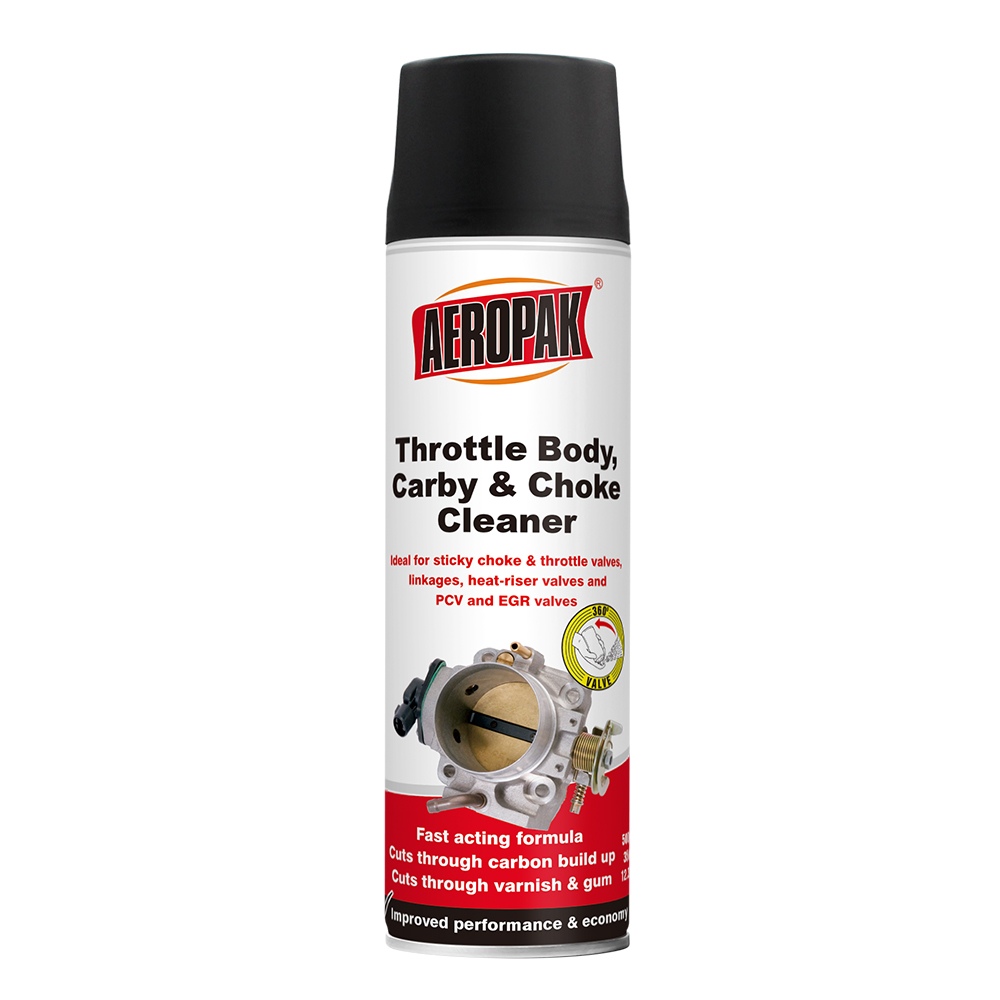
Older vehicles and small engines often rely on carburetors and throttle bodies that require periodic cleaning to maintain proper fuel atomization and air intake balance. Automotive carburetor cleaners penetrate tight passages and dissolve varnish, gum, and carbon deposits that accumulate when fuel sits idle or during extended storage periods. Modern automotive cleaner formulations evaporate quickly, leaving no residue, and work effectively on both electronic fuel injection systems and traditional carburetors. Using specialized automotive products for these components restores smooth engine idle, improves cold-start performance, and eliminates hesitation during acceleration.
Lubrication and Component Protection Advances
Engine Oil Additives and Synthetic Formulations
Contemporary automotive lubricants incorporate advanced additive packages that protect engine components from wear, heat, and oxidation far better than conventional oils. Synthetic automotive formulations maintain viscosity across wider temperature ranges, allowing engines to start more easily in cold conditions while providing robust protection at operating temperatures. Automotive oil additives include anti-wear compounds, detergents, dispersants, and anti-foam agents that work synergistically to extend engine life and maintain critical clearances between moving parts. Fleet operators and individual vehicle owners benefit from longer oil change intervals and improved reliability when using premium automotive lubricants designed for their specific engine requirements.
Transmission and Hydraulic System Care
Transmission fluids and hydraulic automotive products have become increasingly sophisticated, incorporating friction modifiers and thermal stability packages that enhance shifting smoothness and component longevity. Modern automotive transmission treatments prevent sludge formation, reduce heat buildup, and maintain proper pressure control across all gear ranges. Specialized automotive hydraulic products for power steering, brake systems, and clutch mechanisms ensure consistent performance and prevent costly internal damage. Preventive maintenance using quality automotive fluids and conditioners costs significantly less than repairing transmission failure or replacing hydraulic components.
Diagnostic Integration and Performance Monitoring
On-Board Diagnostic System Compatibility
Modern automotive vehicles communicate through sophisticated diagnostic systems that monitor fuel economy, emissions, engine temperatures, and component wear patterns. Quality automotive maintenance products are formulated to support these systems rather than interfere with sensor readings or trigger warning lights. Automotive cleaners and conditioners that work in harmony with on-board diagnostics help restore vehicle performance metrics and reduce false positive diagnostic codes. Understanding which automotive products are compatible with your vehicle's diagnostic systems ensures that maintenance efforts produce measurable improvements in efficiency and reliability.
Real-Time Performance Enhancement Tracking
Vehicle owners can now measure the benefits of automotive maintenance products through smartphone apps and diagnostic scanners that track fuel consumption, emission levels, and engine efficiency before and after treatment applications. This real-time feedback mechanism makes the value of automotive preventive maintenance tangible and quantifiable. Professional mechanics increasingly use these automotive diagnostic tools to verify that specific products deliver promised results in individual vehicles, creating accountability and trust in maintenance recommendations. Fleet managers employ similar automotive monitoring systems to optimize maintenance schedules and validate that product investments generate expected reductions in operating costs.
Frequently Asked Questions
What automotive products should I use first when starting a maintenance routine?
Begin with a comprehensive diagnostic scan to identify specific automotive issues in your vehicle, then prioritize fuel system cleaning and oil quality optimization. These foundational automotive products address the most common sources of performance degradation and typically deliver the most noticeable improvements. After fuel and lubrication systems reach optimal condition, proceed with transmission treatment and other specialized automotive maintenance products based on your vehicle's age and usage patterns. Sequencing automotive product applications ensures that each treatment works effectively without competing with other chemical formulations.
How often should I apply automotive cleaning products to maintain peak performance?
Most automotive professionals recommend fuel system cleaning every 15,000 to 30,000 miles, depending on driving conditions and fuel quality in your region. Heavy-duty driving, frequent towing, or idling in traffic may require more frequent automotive product applications, while highway-focused vehicles with consistent speeds need less frequent treatments. Transmission fluid changes and automotive conditioner treatments typically occur at intervals specified in your vehicle's maintenance manual, usually 30,000 to 60,000 miles. Monitoring your vehicle's performance and using diagnostic data to guide automotive product application timing ensures you invest in maintenance when it delivers maximum benefit.
Can automotive cleaning products damage my vehicle's sensitive components?
Quality automotive products are specifically formulated to be compatible with rubber seals, gaskets, sensors, and electronic components found in modern vehicles. Professional-grade automotive cleaners undergo rigorous testing to ensure they dissolve deposits without corroding metal surfaces or degrading polymer materials. However, using incorrect automotive products, mixing incompatible formulations, or applying products designed for older engines to new vehicles can potentially cause damage. Always verify that the automotive product you select matches your vehicle's engine type, fuel system design, and manufacturer specifications to ensure safe and effective operation.