EN

Maintaining your vehicle requires consistent attention and a practical approach to everyday automotive care. Many car owners overlook routine tasks that significantly extend their vehicle's lifespan and preserve its resale value. Whether you drive daily or occasionally, understanding the fundamentals of automotive care helps you avoid costly repairs and keeps your investment protected. This guide covers the essential steps you can take to ensure your vehicle remains in peak condition throughout the year.

Effective automotive care combines preventive maintenance, regular cleaning, and prompt attention to warning signs. When you invest time in everyday automotive tasks, you reduce the risk of unexpected breakdowns and maintain your vehicle's market value. The best approach to automotive maintenance involves establishing a routine that addresses both mechanical needs and aesthetic preservation. By following practical steps, you can develop habits that keep your automotive systems running smoothly and your vehicle looking its best.
Essential Fluid Checks and Changes
Engine Oil and Filter Management
Engine oil stands as one of the most critical components of automotive maintenance. Regular oil changes form the foundation of any automotive care routine because engine oil lubricates moving parts, reduces friction, and carries away contaminants. Most vehicles require oil changes every 3,000 to 10,000 miles, depending on your specific automotive model and oil type. Checking your automotive engine's oil level monthly ensures you catch drops early and prevent engine damage that can result from low oil conditions.
When performing automotive maintenance on your oil system, always replace both the oil and the filter together. A clogged automotive filter reduces your engine's efficiency and forces your engine to work harder. Fresh automotive-grade oil protects engine components from wear and maintains optimal performance. If you notice your automotive oil appears dark or smells burnt, schedule a change immediately rather than waiting for the recommended interval.
Coolant, Brake Fluid, and Transmission Fluid
Beyond engine oil, several other fluids require regular automotive maintenance attention. Your automotive coolant system prevents engine overheating and should be flushed every two to three years as part of your automotive care plan. Brake fluid in your automotive system absorbs moisture over time, which reduces braking effectiveness and poses a safety risk. Transmission fluid keeps your automotive transmission lubricated and operating smoothly, and low levels indicate potential automotive problems requiring immediate inspection.
Check all automotive fluids monthly by opening your hood and locating the respective reservoirs. Most automotive systems include color-coded caps that make identification simple even for beginners. Maintaining proper fluid levels prevents expensive automotive repairs and ensures every system performs reliably. If any automotive fluid appears cloudy, discolored, or smells unusual, consult your vehicle's manual or visit a trusted automotive service center.
Tire Care and Wheel Maintenance
Pressure Monitoring and Rotation
Tires represent a critical element of daily automotive safety and fuel efficiency. Correct tire pressure improves your automotive fuel economy and extends tire lifespan by preventing uneven wear patterns. Check your automotive tire pressure monthly when tires are cold, and compare readings to the specifications listed on your driver's side door jamb or in your automotive owner's manual. Under-inflated automotive tires generate excessive heat, which accelerates wear, while over-inflated automotive tires reduce traction and ride comfort.
Rotating your automotive tires every 5,000 to 7,000 miles ensures even wear across all four automotive tires. This simple automotive maintenance task extends tire life and improves handling performance. Your automotive wheel alignment should be checked annually or whenever you notice your vehicle pulling to one side. Proper automotive wheel alignment prevents premature tire wear and maintains stable handling characteristics that contribute to overall automotive safety.
Tread Depth and Seasonal Changes
Adequate tire tread depth directly impacts your automotive braking ability and water evacuation on wet roads. Use the penny test to check automotive tire tread depth by inserting a penny into the tread groove with Lincoln's head facing downward. If you can see the top of Lincoln's head, your automotive tires need replacement immediately. Many automotive professionals recommend replacing tires at 4/32-inch depth rather than waiting until the legal minimum of 2/32-inch for better safety margins.
Seasonal tire changes represent an important automotive care consideration in regions with winter weather. Winter automotive tires provide superior traction in cold, snowy, and icy conditions compared to all-season automotive tires. Switching between winter and summer automotive tires protects your vehicle's handling and reduces stopping distance during challenging weather. Store off-season automotive tires in a cool, dry location to preserve rubber compound integrity until the next season requires their use.
Exterior and Interior Preservation
Washing, Waxing, and Paint Protection
Regular washing removes contaminants that damage your automotive paint and cause rust formation. Wash your automotive exterior at least every two weeks, or more frequently if you live in harsh climates with salt, bird droppings, or tree sap. Using a quality automotive wash soap and soft microfiber wash mitt prevents swirl marks and paint damage that occurs when washing with household detergents. After washing, apply a protective automotive wax or sealant to repel water and shield your paint from oxidation and UV damage.
Applying automotive wax every three months maintains a protective barrier that enhances your vehicle's appearance and protects underlying paint. Modern automotive ceramic coatings offer extended protection lasting up to two years, providing superior automotive paint care compared to traditional wax applications. Your automotive windshield and windows also require regular cleaning with quality automotive glass cleaner for safety and visibility. Protecting your automotive trim and molding with UV protectant prevents fading and cracking that develops from sun exposure.
Interior Cleaning and Protection
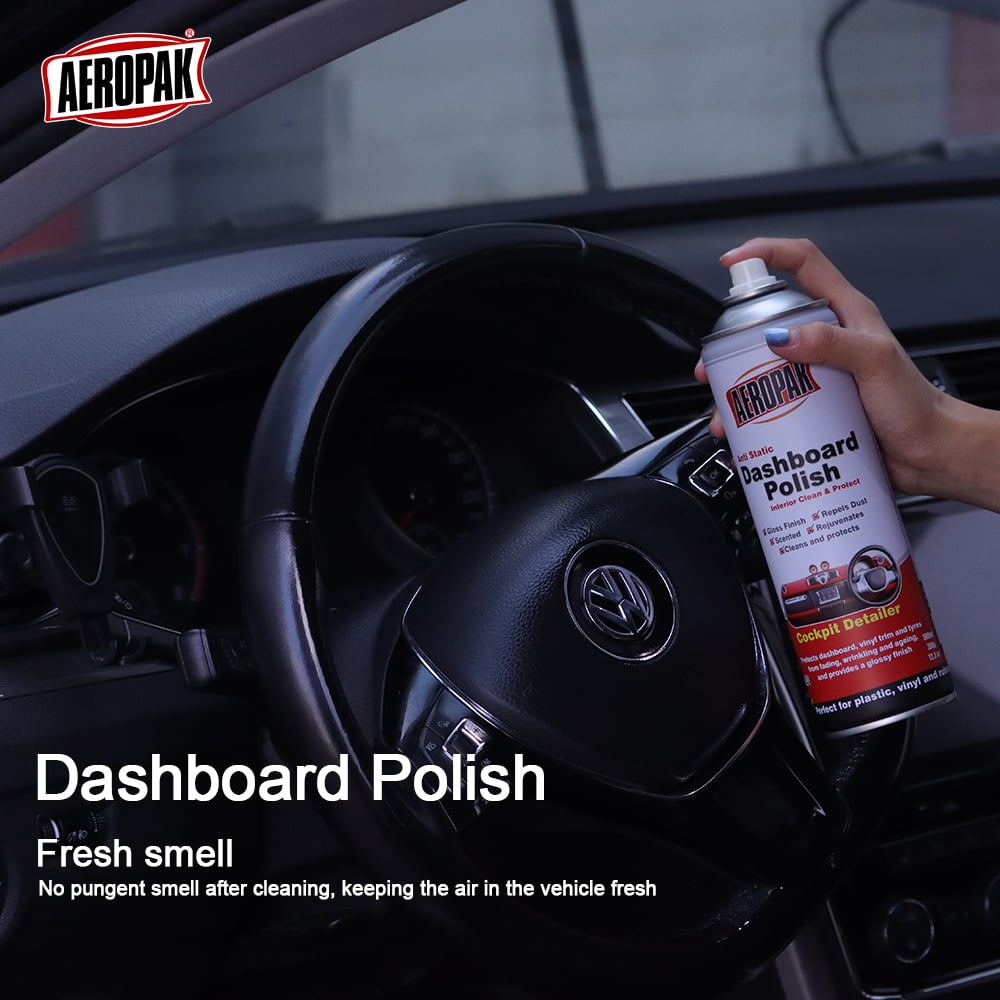
Your automotive interior endures daily wear from passengers, weather, and sun exposure that accelerates deterioration. Vacuum your automotive cabin weekly to remove dirt, dust, and debris that accumulates in carpets and under seats. Wipe down your automotive dashboard, steering wheel, and center console with appropriate cleaners designed for specific materials like plastic, leather, or vinyl. Leather automotive seats require specialized automotive conditioner applied annually to prevent cracking and maintain suppleness.
Protect your automotive upholstery with fabric guards or leather protectants that repel stains and UV damage. Floor mats in your automotive interior capture moisture and salt during winter months, protecting your automotive carpeting from permanent damage. Use quality automotive air fresheners or natural alternatives to maintain a pleasant cabin environment while avoiding odors that develop from trapped moisture. Regular automotive interior maintenance preserves comfort and prevents expensive restoration or replacement of damaged components.
Battery, Belts, and Hoses
Battery Health and Electrical System
Your automotive battery powers essential starting and electrical functions that enable daily driving. Most automotive batteries last three to five years before requiring replacement, though cold climates accelerate this timeline. Have your automotive battery tested annually, particularly as you approach the five-year mark, to avoid unexpected failures. Check automotive battery terminals for corrosion, which appears as white, blue, or green crusty deposits that impede electrical flow.
Clean automotive battery terminals using a wire brush and baking soda solution to restore proper electrical connections. If your automotive battery shows corrosion, inspect your automotive charging system to ensure the alternator maintains proper voltage. A failing automotive charging system forces your battery to drain faster than normal operation allows. Replace your automotive battery before complete failure strands you and potentially damages your automotive electrical system.
Belts, Hoses, and Cooling System
Automotive serpentine belts and hoses carry vital fluids and power essential accessories like your alternator, power steering pump, and air conditioning compressor. Inspect automotive belts for cracks, fraying, or glazing that indicates replacement needs. Automotive hoses should feel flexible and firm, not soft and mushy or hard and brittle, which signal degradation requiring replacement. Most automotive manufacturer recommendations call for serpentine belt inspection every 30,000 miles and replacement around 60,000 miles, though this varies by automotive model.
Burst automotive hoses can cause sudden automotive coolant loss leading to engine overheating and potential catastrophic damage. Replace worn automotive hoses proactively rather than managing emergency situations on remote roads. Your automotive cooling system depends on intact hoses working alongside your automotive radiator and thermostat. Establishing a routine automotive inspection schedule catches deteriorating components before they fail unexpectedly.
FAQ
How often should I perform basic automotive maintenance tasks?
Most basic automotive maintenance should happen monthly, including checking all automotive fluids, tire pressure, and battery terminals. More comprehensive automotive inspections should occur annually or every 10,000 to 15,000 miles depending on your automotive manufacturer's recommendations. Seasonal changes present ideal opportunities to perform specialized automotive care tasks like tire rotations and brake inspections. Your automotive owner's manual provides the most accurate maintenance schedule tailored to your specific automotive model.
What are warning signs that my vehicle needs immediate automotive attention?
Warning signs requiring urgent automotive care include unusual noises, warning lights on your automotive dashboard, fluid leaks beneath your vehicle, and changes in braking or steering response. Burning smells indicate potential automotive electrical, fluid, or mechanical problems requiring immediate investigation. Spongy brakes, a grinding transmission, or excessive automotive vibration warrant immediate automotive service to prevent safety issues. Never ignore automotive warning indicators; prompt attention prevents minor automotive issues from becoming major, expensive repairs.
Can I perform all automotive maintenance myself or should I visit a professional?
Basic automotive maintenance like fluid checks, tire rotations, and waxing can be accomplished by most owners with minimal tools and knowledge. However, complex automotive systems like brakes, transmissions, and engines typically require professional automotive technicians with specialized diagnostic equipment. Your automotive skill level, available tools, and comfort with automotive work determine what tasks suit DIY approaches versus professional automotive service. When uncertain about specific automotive repairs, consulting a qualified automotive mechanic ensures proper diagnosis and execution of necessary automotive work.