EN


The importance of consistent automotive care extends far beyond keeping your vehicle looking clean. Proper automotive maintenance directly impacts your safety on the road, extends the lifespan of critical components, and preserves the resale value of your investment. Too many vehicle owners neglect routine automotive care until a major problem develops, leading to expensive repairs, reduced reliability, and potential safety hazards.
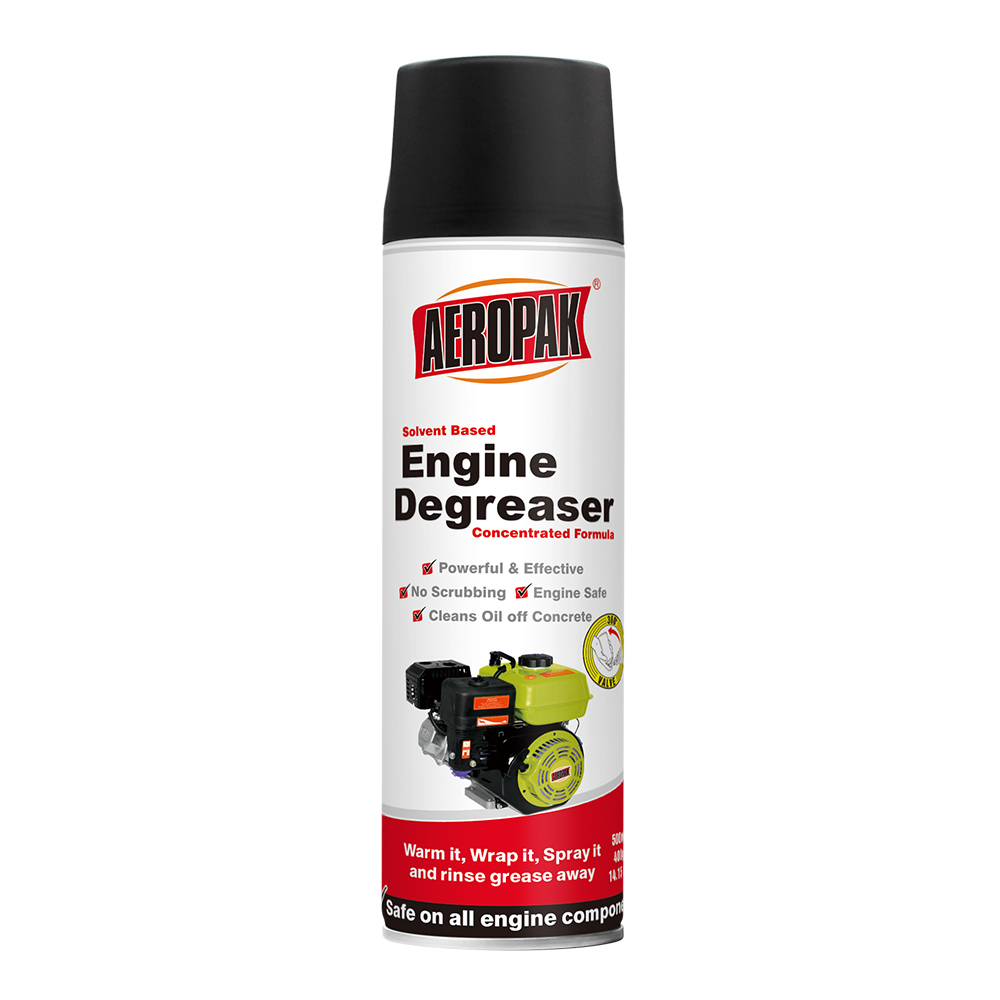
Understanding why automotive care matters helps vehicle owners make informed decisions about maintenance schedules, service providers, and resource allocation. Whether you drive a sedan, truck, SUV, or specialty vehicle, comprehensive automotive care protects your investment while ensuring reliable performance and occupant safety. This article explores the critical reasons why automotive care should be a priority for every vehicle owner.
The Safety Impact of Consistent Automotive Care
Preventative Maintenance and Accident Prevention
Safety represents the most compelling reason to prioritize automotive care. Regular automotive inspections detect brake wear, tire degradation, suspension issues, and lighting problems before they compromise vehicle control or visibility. A vehicle that undergoes systematic automotive care experiences fewer unexpected failures that could cause accidents, loss of steering control, or brake system failure. Worn brake pads, for example, reduce stopping power, increasing accident risk during emergency situations. Proper automotive care catches these hazards early through scheduled inspections and timely component replacement.
Tire maintenance is another critical automotive safety concern. Proper automotive care includes regular tire rotation, pressure checks, and tread depth monitoring. Tires that lack adequate tread cannot maintain grip during wet conditions, and underinflated tires increase blowout risk at highway speeds. Through systematic automotive care, drivers ensure their tires meet safety standards before weather conditions or extended road trips.
Engine and Electrical System Reliability
Engine performance directly relates to automotive safety and reliability. Proper automotive care through oil changes, filter replacements, and coolant flushes prevents engine overheating, bearing damage, and internal corrosion. A well-maintained engine through consistent automotive care reduces the likelihood of stalling on busy roads or losing power when merging onto highways. Similarly, automotive electrical system care ensures battery, alternator, and wiring integrity, preventing sudden power loss that compromises safety systems like power steering, antilock brakes, and airbags.
How Automotive Care Extends Vehicle Lifespan and Performance
Component Longevity Through Regular Automotive Care
Vehicles are complex systems where each component depends on others functioning correctly. Neglected automotive care allows contaminated oil to circulate through engines, accelerating bearing wear. Skipped transmission fluid changes lead to gradual breakdown of hydraulic fluid, reducing gear engagement smoothness and increasing shift delays. By contrast, disciplined automotive care through regular fluid changes and filter replacements keeps all systems operating within design parameters, dramatically extending component lifespan. Transmissions maintained through proper automotive care often last 150,000 miles or more, while neglected transmissions may fail by 100,000 miles.
Suspension components, including shocks, struts, and bushings, degrade predictably but can be extended through careful automotive care. Periodic suspension inspections as part of comprehensive automotive care identify worn components before they damage adjacent parts. This proactive automotive approach prevents a single bad shock from destroying an alignment and wearing tires unevenly, which compounds maintenance costs. Similarly, automotive brake system care through regular inspections catches rotor warping and pad glazing before complete system failure occurs.
Performance Consistency and Driving Experience
A vehicle subjected to consistent automotive care maintains predictable acceleration, smooth shifting, responsive steering, and reliable climate control. Drivers of well-maintained vehicles enjoy better fuel economy, faster throttle response, and confidence in their vehicle's ability to handle demanding driving situations. By contrast, vehicles that skip automotive care develop hesitation during acceleration, rough idle conditions, and reduced power output. These performance issues accumulate gradually but represent warning signs of deteriorating engine condition. Proactive automotive care maintains the driving experience that owners purchased their vehicles to enjoy.
The Financial Benefits of Preventative Automotive Care
Resale Value Preservation Through Automotive Care
Vehicle resale value depends heavily on documented automotive care history and overall condition. Buyers conducting due diligence review maintenance records as primary indicators of how well a vehicle was treated. A vehicle with complete automotive care documentation sells for substantially more than an identical vehicle with gaps in maintenance history. Comprehensive automotive service records demonstrate that critical systems received timely attention, reducing buyer concern about hidden mechanical problems. Vehicles maintained through proper automotive care programs retain 10 to 20 percent higher resale value compared to poorly maintained equivalents, often recovering the cost of careful automotive care multiple times over.
Avoiding Catastrophic Repair Costs
The financial argument for automotive care becomes irrefutable when comparing the cost of preventative maintenance to major repairs. An oil change costs $50 to $75 and prevents engine damage that might cost $3,000 to $5,000. Transmission fluid service costs $150 to $250 but prevents transmission failure requiring $2,000 to $4,000 in repairs or replacement. Coolant system maintenance costs $200 to $300 and prevents engine overheating that causes warped cylinder heads costing $1,500 to $3,000. This pattern repeats across every automotive system: small investments in preventative automotive care prevent exponentially larger repair expenditures. For fleet operators, systematic automotive care dramatically reduces downtime, towing costs, and emergency repair expenses that disrupt operations and generate unexpected budget demands.
FAQ
What specific automotive care tasks should vehicle owners prioritize?
Essential automotive care includes oil and filter changes every 5,000 to 7,500 miles, tire rotation every 6,000 to 8,000 miles, brake inspections annually, coolant system flushes every 30,000 to 60,000 miles, and transmission fluid service per manufacturer recommendations. Battery testing, air filter replacement, and windshield wiper inspection represent additional automotive care tasks that require attention on regular schedules. Following the manufacturer's maintenance schedule in your vehicle's owner manual provides the most accurate automotive care roadmap specific to your vehicle model and driving conditions.
How does automotive care affect fuel economy and environmental impact?
A vehicle receiving proper automotive care maintains optimal engine efficiency, resulting in better fuel economy than neglected vehicles. Clogged air filters, worn spark plugs, and misaligned wheels all reduce fuel economy and increase emissions. Regular automotive care including filter changes, fuel system cleaning, and alignment checks improves fuel efficiency by 5 to 15 percent depending on the specific maintenance items. This automotive efficiency improvement reduces fuel consumption, lowers operating costs, and decreases the vehicle's carbon footprint. Environmental responsibility and economic self-interest align perfectly in the case for comprehensive automotive care.
Can DIY automotive care replace professional service?
Some automotive care tasks like tire rotation, battery cleaning, and wiper blade replacement can be performed by vehicle owners with basic tools and knowledge. However, diagnostic testing, transmission service, brake system work, and electrical system repair typically require specialized equipment and training provided by professional automotive technicians. A balanced approach combines simple owner-performed automotive care with professional service for complex systems. Regardless of whether automotive care is performed by owners or professionals, the critical factor is following scheduled maintenance consistently and documenting all work performed to maintain the complete automotive care history that protects both vehicle integrity and resale value.