seat track lubricant
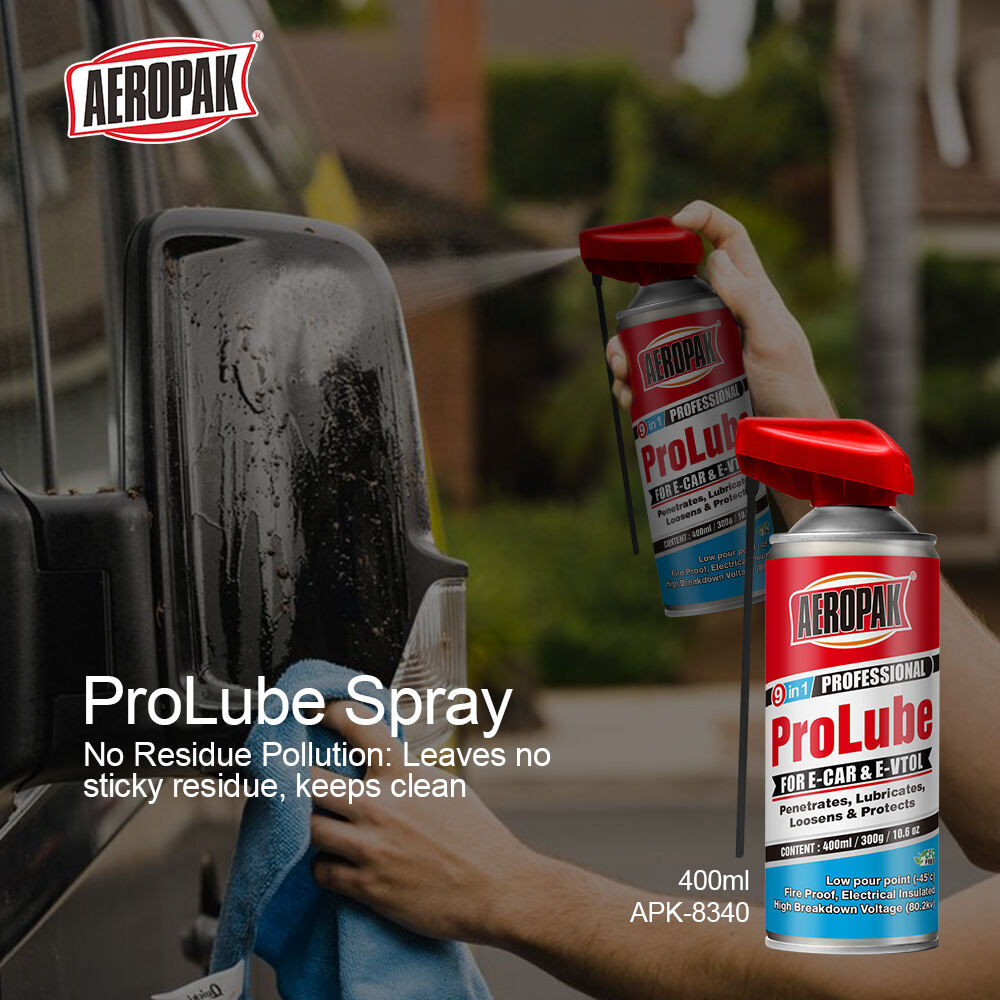
Seat track lubricant represents a specialized formulation designed to maintain optimal performance of vehicle seat adjustment mechanisms across automotive, aerospace, and industrial applications. This premium lubricant ensures smooth operation of seat track systems that enable forward, backward, and height adjustments in modern vehicles. The primary function of seat track lubricant involves reducing friction between metal components while protecting against wear, corrosion, and environmental damage. Advanced seat track lubricant formulations incorporate synthetic base oils combined with carefully selected additives that provide superior lubrication properties under varying temperature conditions and mechanical stress. The technological features of modern seat track lubricant include exceptional thermal stability, maintaining consistent viscosity from extreme cold to high heat environments typically encountered in vehicle applications. Anti-corrosion properties protect metal surfaces from moisture, salt exposure, and chemical contamination that can compromise seat mechanism functionality. The lubricant creates a protective barrier that prevents metal-to-metal contact while facilitating effortless seat position adjustments. Noise reduction capabilities ensure quiet operation during seat movement, enhancing overall user experience. The seat track lubricant demonstrates excellent adhesion properties, remaining in place despite vibration, movement, and cleaning procedures. Applications span across passenger vehicles, commercial trucks, aircraft seating systems, office furniture, and industrial equipment requiring precise positioning mechanisms. In automotive environments, seat track lubricant ensures reliable operation of power seat motors, manual adjustment levers, and safety mechanisms integrated within seat assemblies. Aerospace applications demand stringent performance standards where seat track lubricant must function reliably under extreme conditions while meeting safety certifications. The lubricant maintains effectiveness across extended service intervals, reducing maintenance frequency and associated costs while ensuring consistent performance throughout the component lifecycle.
 EN
EN