EN
EN
Modern vehicles represent significant investments that require proper maintenance to preserve their value and appearance over time. Automotive surfaces face constant exposure to harsh environmental elements including UV radiation, acid rain, road salt, and pollutants that can cause permanent damage without adequate protection. Understanding how car care products work to shield these surfaces provides vehicle owners with the knowledge needed to make informed decisions about their maintenance routines. Professional-grade formulations offer superior protection compared to basic cleaning solutions, creating barriers that prevent contaminants from bonding directly to paint, chrome, and plastic components. The science behind effective surface protection involves multiple layers of chemical compounds that work synergistically to maintain the original factory finish while enhancing overall durability.
Understanding Surface Protection Mechanisms
Chemical Bonding and Barrier Formation
The effectiveness of car care products lies in their ability to create molecular bonds with automotive surfaces, forming protective barriers that repel water, dirt, and harmful substances. Advanced formulations contain synthetic polymers and natural waxes that penetrate microscopic pores in paint and clear coat layers, essentially sealing these vulnerable areas from environmental intrusion. These protective compounds cure over time, developing cross-linked structures that become increasingly durable and resistant to washing and weather exposure. The molecular weight and chain length of protective agents determine how deeply they penetrate and how long they remain effective on treated surfaces.
Quality car care products incorporate hydrophobic technology that causes water to bead and roll off treated surfaces rather than spreading and potentially causing water spots or mineral deposits. This beading action also helps remove loose dirt and debris during rainfall, providing a self-cleaning effect that maintains appearance between formal washing sessions. The contact angle of water droplets on properly treated surfaces typically exceeds 90 degrees, indicating optimal hydrophobic performance that continues protecting the underlying paint system.
UV Protection and Oxidation Prevention
Ultraviolet radiation poses one of the most significant threats to automotive finishes, breaking down chemical bonds in paint molecules and causing fading, chalking, and eventual clear coat failure. Professional car care products contain specialized UV absorbers and stabilizers that intercept harmful radiation before it reaches the paint substrate, effectively extending the lifespan of factory finishes by decades when applied regularly. These protective agents work by converting UV energy into harmless heat that dissipates safely without damaging surface molecules.
Oxidation occurs when oxygen molecules react with paint components, creating a dull, chalky appearance that cannot be reversed through conventional cleaning methods. Premium formulations include antioxidants that neutralize free radicals and prevent oxidative chain reactions from progressing, maintaining the deep gloss and color saturation that characterize properly maintained vehicles. The protective barrier formed by quality car care products also prevents oxygen from directly contacting paint surfaces, significantly slowing the oxidation process.
Application Techniques for Maximum Effectiveness
Surface Preparation Requirements
Achieving optimal results from car care products requires thorough surface preparation that removes existing contaminants and creates ideal conditions for product bonding. The preparation process begins with a complete wash using pH-neutral shampoos that eliminate surface dirt without stripping existing protective layers. Clay bar treatment follows to remove embedded particles and industrial fallout that regular washing cannot address, creating a perfectly smooth surface for subsequent product application.
Temperature and humidity conditions significantly impact how car care products cure and bond with automotive surfaces, with moderate temperatures between 65-75 degrees Fahrenheit providing optimal application conditions. Working in shaded areas prevents products from drying too quickly, which can cause streaking or uneven coverage that reduces protective effectiveness. Surface temperature should remain below 90 degrees Fahrenheit during application to ensure proper spreading and curing characteristics.
Proper Application Methods
Professional application techniques ensure even distribution and maximum coverage efficiency when using car care products on various automotive surfaces. The thin, uniform application method prevents product waste while ensuring complete surface coverage that provides consistent protection across all treated areas. Microfiber applicators and foam pads distribute products more evenly than traditional cloth materials, reducing the risk of streaking or missed areas that could compromise overall protection.
Curing time varies depending on product formulation and environmental conditions, with most premium car care products requiring 15-30 minutes before buffing or removal of excess material. Allowing adequate curing time ensures maximum bonding strength and durability, while premature buffing can remove protective agents before they fully integrate with surface molecules. Multiple thin coats often provide superior protection compared to single thick applications, as each layer can cure properly without interfering with subsequent applications.
Long-Term Maintenance Benefits
Cost Savings Through Prevention
Regular use of quality car care products represents a proactive investment that prevents costly paint correction and refinishing procedures later in a vehicle's lifespan. Professional paint restoration services can cost thousands of dollars to address damage that proper maintenance could have prevented, making routine protection applications extremely cost-effective over time. The preserved resale value of well-maintained vehicles often exceeds the cumulative cost of professional-grade protection products by substantial margins.
Protected surfaces resist staining and etching from environmental contaminants like bird droppings, tree sap, and road tar, eliminating the need for aggressive cleaning chemicals or professional intervention to address these common issues. The car care products create barriers that prevent these substances from bonding permanently with paint surfaces, allowing for easy removal during routine maintenance procedures.
Enhanced Aesthetic Appeal
Properly maintained automotive surfaces exhibit enhanced depth and clarity that cannot be achieved through cleaning alone, creating the distinctive appearance associated with showroom-quality vehicles. The optical properties of quality car care products enhance color saturation and eliminate micro-scratches that scatter light and create a dull appearance on untreated surfaces. Regular maintenance with professional formulations maintains this enhanced appearance indefinitely when applied according to manufacturer specifications.
Gloss retention becomes particularly important for darker colored vehicles where fade and oxidation appear more prominent, affecting both aesthetic appeal and resale value. Premium car care products contain optical brighteners and clarifying agents that maintain the deep, mirror-like finish associated with properly maintained luxury vehicles. These products also help maintain consistency across different surface materials including paint, chrome, and plastic trim pieces.
Environmental Impact and Sustainability
Eco-Friendly Formulations
Modern car care products increasingly incorporate biodegradable ingredients and sustainable manufacturing processes that minimize environmental impact while maintaining protective effectiveness. Water-based formulations reduce volatile organic compound emissions compared to traditional solvent-based alternatives, contributing to improved air quality without compromising performance characteristics. Concentrated formulas reduce packaging waste and transportation costs while providing equivalent or superior protection compared to conventional products.
Sustainable car care products utilize renewable raw materials and recyclable packaging whenever possible, reflecting growing industry commitment to environmental responsibility. These formulations often exceed performance standards while reducing ecological footprint, demonstrating that environmental consciousness and product effectiveness are not mutually exclusive goals. Biodegradable surfactants and natural wax components break down safely in wastewater treatment systems without accumulating in the environment.
Water Conservation Benefits
Effective car care products extend the intervals between washing sessions by maintaining surface cleanliness and preventing dirt adhesion, contributing to significant water conservation over time. Protected surfaces shed dirt and debris more easily during rainfall, reducing the frequency and intensity of manual washing required to maintain acceptable appearance standards. This reduction in washing frequency translates to substantial water savings, particularly important in regions facing water scarcity or drought conditions.
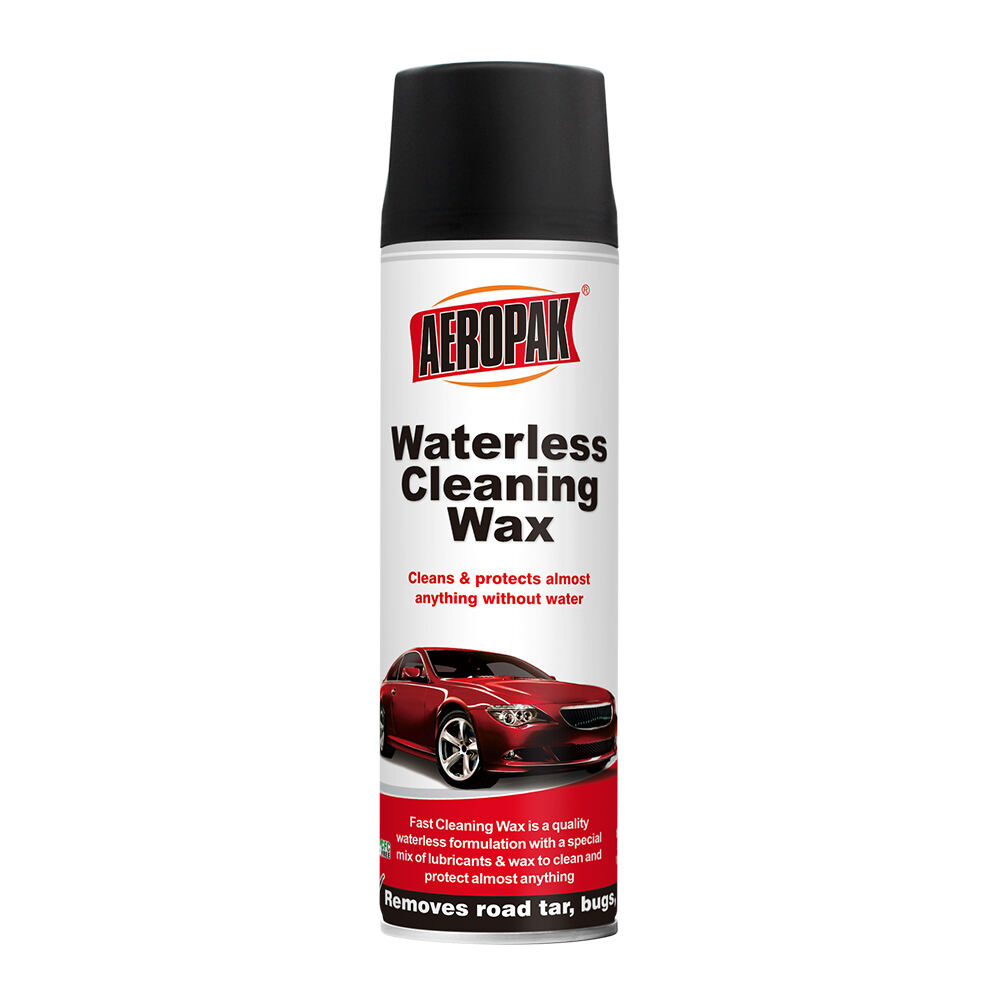
Waterless and spray-on car care products eliminate the need for traditional hose-and-bucket washing methods entirely, representing the ultimate in water conservation while still providing effective surface protection. These innovative formulations lift dirt and debris through encapsulation technology, suspending particles in the product solution for safe removal with microfiber cloths. Professional-grade waterless products can maintain vehicle appearance indefinitely without requiring access to water sources or drainage facilities.
Advanced Protection Technologies
Ceramic and Nano-Technology Integration
Cutting-edge car care products incorporate ceramic particles and nanotechnology to create extremely durable protective layers that exceed the performance of traditional wax-based formulations. These advanced materials form covalent bonds with surface molecules, creating protection that can last multiple years with proper maintenance rather than requiring monthly reapplication. Ceramic-enhanced products provide superior resistance to scratching, chemical etching, and thermal cycling compared to conventional alternatives.
Nanotechnology allows car care products to penetrate and protect at the molecular level, filling microscopic imperfections and creating smoother surfaces that reflect light more uniformly. These ultra-fine particles create self-leveling properties that eliminate application marks and ensure perfectly uniform coverage across complex surface geometries. The resulting protection exhibits superior durability and resistance to environmental contamination while maintaining the natural appearance of treated surfaces.
Smart Coating Systems
Next-generation car care products feature intelligent coating systems that respond to environmental conditions, providing enhanced protection when needed most while maintaining optimal appearance characteristics. These adaptive formulations can adjust their properties based on temperature, humidity, and contamination levels, ensuring consistent performance across diverse operating conditions. Smart coatings also incorporate self-healing properties that allow minor scratches and swirl marks to disappear over time through molecular reorganization.
Advanced car care products now include color-matching technology that enhances the natural hue of treated surfaces while providing comprehensive protection against environmental damage. These specialized formulations contain optical elements that interact with specific wavelengths of light to enhance color depth and saturation beyond what is possible with clear protective coatings alone. The result is improved aesthetic appeal combined with industry-leading protection performance that extends surface lifespan significantly.
Professional vs Consumer Applications
Commercial-Grade Formulations
Professional detailing operations rely on commercial-grade car care products that offer superior performance characteristics and durability compared to consumer-oriented alternatives. These specialized formulations undergo extensive testing and refinement to meet the demanding requirements of high-volume applications where consistency and reliability are paramount. Professional products typically contain higher concentrations of active ingredients and incorporate advanced bonding agents that ensure optimal adhesion under challenging conditions.
The economics of professional operations require car care products that provide maximum coverage per unit volume while delivering predictable results across diverse vehicle types and surface conditions. Bulk packaging and concentrated formulations reduce per-application costs while maintaining the quality standards expected by discerning customers. Professional-grade products also offer extended working times and improved buffing characteristics that facilitate efficient application in commercial settings.
Consumer-Friendly Solutions
Consumer car care products prioritize ease of use and forgiveness during application while still providing meaningful protection for personal vehicles. These formulations typically include application aids and buffing enhancers that help inexperienced users achieve professional-quality results without specialized equipment or extensive training. User-friendly packaging and clear instruction sets enable successful application by vehicle owners with limited detailing experience.
Retail car care products often incorporate multiple functions in single formulations, combining cleaning, protection, and enhancement properties to simplify maintenance routines for busy consumers. These all-in-one solutions provide adequate protection for typical driving conditions while reducing the complexity and time investment required for proper surface maintenance. Quality consumer products can deliver years of effective protection when applied correctly and maintained according to manufacturer recommendations.
FAQ
How often should car care products be applied for optimal protection?
Application frequency depends on product type, environmental conditions, and vehicle usage patterns, with most quality car care products requiring reapplication every 2-6 months for optimal protection. Vehicles exposed to harsh conditions such as salt air, industrial pollution, or extreme temperatures may benefit from more frequent applications, while garage-kept vehicles in mild climates can often extend intervals between treatments. Professional ceramic coatings can provide protection for 2-5 years, while traditional waxes typically require monthly or bi-monthly reapplication for consistent results.
Can car care products damage automotive surfaces if applied incorrectly?
Quality car care products are formulated to be safe for all automotive surfaces when used according to manufacturer instructions, but improper application techniques can potentially cause streaking, staining, or residue buildup. Applying products in direct sunlight, on hot surfaces, or without proper surface preparation can lead to suboptimal results that may require professional correction. Always test new products on inconspicuous areas first and follow recommended application procedures to avoid potential issues with sensitive surfaces like matte paint or delicate trim pieces.
What is the difference between synthetic and natural car care products?
Synthetic car care products typically offer superior durability, chemical resistance, and UV protection compared to natural alternatives, often lasting 3-6 times longer between applications. Natural products, primarily carnauba wax-based formulations, provide superior depth and warmth of finish but require more frequent reapplication and offer less protection against modern environmental contaminants. Many premium products combine both synthetic and natural ingredients to optimize both protection performance and aesthetic enhancement characteristics.
Do car care products work effectively on all types of automotive finishes?
Most quality car care products are compatible with standard automotive paints, clear coats, and common trim materials, but specialty finishes such as matte paint, vinyl wraps, or ceramic factory coatings may require specific formulations designed for these applications. Modern multi-stage paints and advanced clear coat systems generally respond well to conventional protection products, while older single-stage paints may benefit from specialized formulations that address their unique characteristics. Always verify product compatibility with specific finish types before application to ensure optimal results and avoid potential damage.