EN
EN
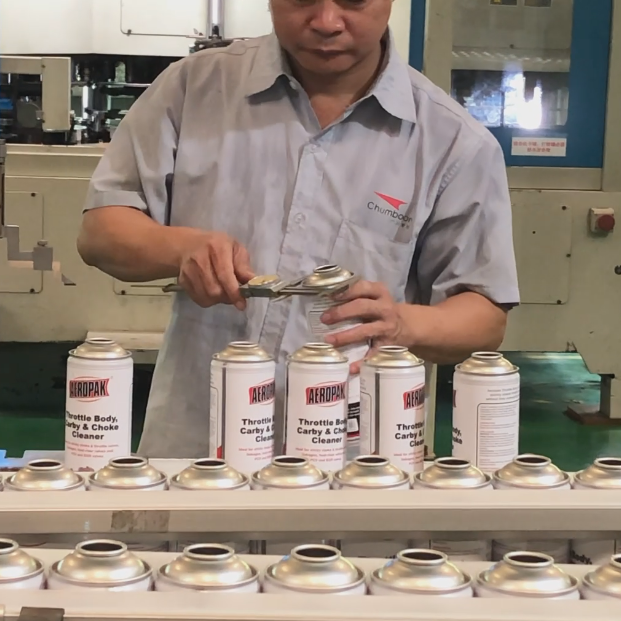
Choosing the right spray paint factory as a business partner requires careful evaluation of multiple critical factors that can significantly impact your product quality, operational efficiency, and market success. The decision to partner with a spray paint factory involves understanding manufacturing capabilities, quality assurance protocols, regulatory compliance standards, and long-term partnership viability. Modern businesses across automotive, construction, furniture, and industrial sectors depend on reliable spray paint factory partnerships to deliver consistent, high-quality coating solutions that meet demanding market requirements.
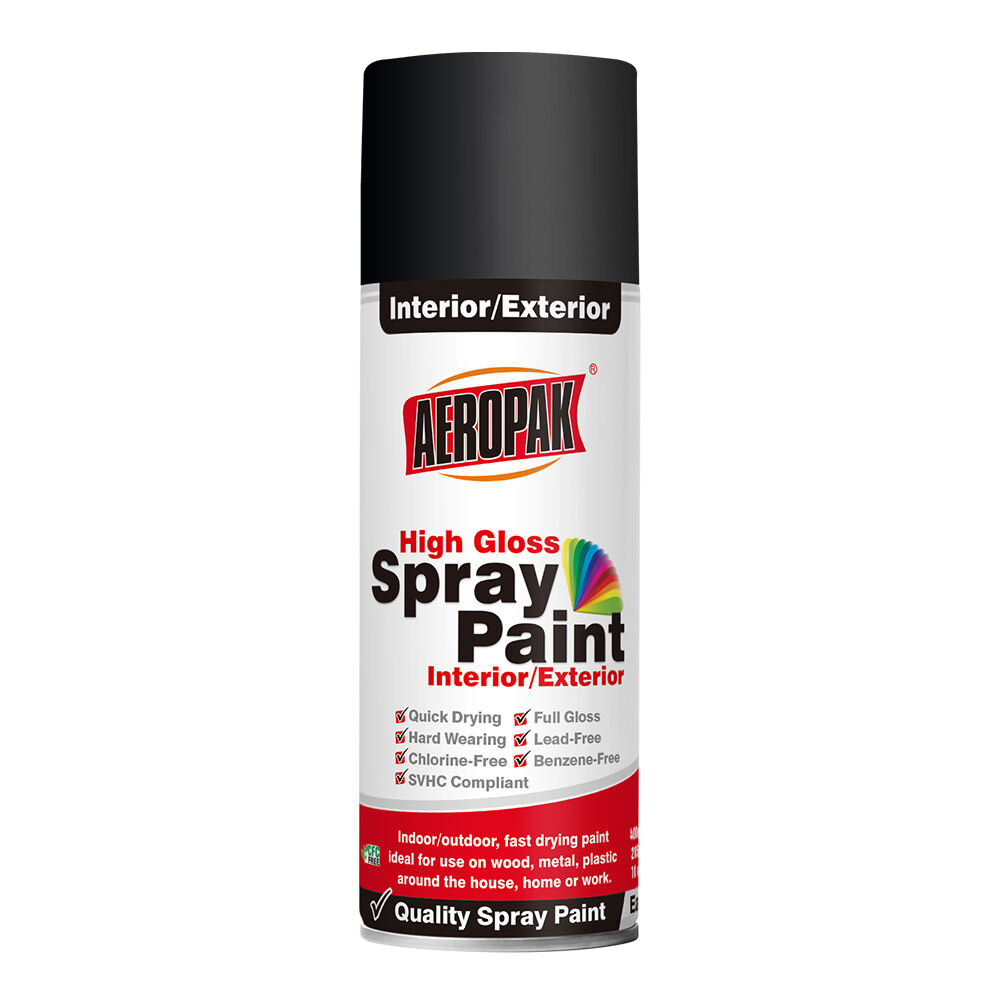
Manufacturing Capabilities and Production Capacity
Production Volume and Scalability
Evaluating a spray paint factory's production capacity represents one of the most fundamental considerations when establishing a partnership. The facility should demonstrate sufficient manufacturing volume to meet both current order requirements and anticipated future growth demands. Advanced spray paint factory operations typically maintain multiple production lines with flexible scheduling capabilities to accommodate varying batch sizes and seasonal fluctuations. Production capacity assessment should include examining daily output volumes, lead time consistency, and the ability to handle rush orders without compromising quality standards.
Scalability becomes particularly crucial for businesses experiencing rapid growth or those planning market expansion initiatives. A well-equipped spray paint factory should possess modular production systems that can increase output capacity through equipment additions or process optimizations. The manufacturing facility should also maintain adequate raw material storage capabilities and established supplier relationships to support increased production volumes without disrupting delivery schedules or product quality.
Technology and Equipment Standards
Modern spray paint factory operations require sophisticated manufacturing equipment and technological systems to ensure consistent product quality and operational efficiency. Advanced mixing systems, automated filling equipment, precision valve assembly machinery, and quality control testing apparatus represent essential components of professional spray paint manufacturing facilities. The factory should maintain up-to-date equipment that incorporates industry-leading technology for formula development, color matching, and product consistency verification.
Equipment maintenance protocols and upgrade schedules provide valuable insights into the spray paint factory's commitment to operational excellence and long-term partnership sustainability. Facilities that invest regularly in equipment modernization and preventive maintenance programs typically demonstrate superior reliability and product quality consistency. Additionally, automated production systems with integrated quality control monitoring can significantly reduce manufacturing variability and improve overall product performance standards.
Quality Control and Certification Standards
Testing Procedures and Quality Assurance
Comprehensive quality control systems distinguish professional spray paint factory operations from basic manufacturing facilities. Rigorous testing procedures should encompass raw material verification, in-process monitoring, finished product evaluation, and batch documentation protocols. The manufacturing facility should maintain fully equipped laboratory testing capabilities for evaluating color accuracy, adhesion properties, coverage rates, drying times, and durability characteristics under various environmental conditions.
Quality assurance protocols within the spray paint factory should include statistical process control methods, batch tracking systems, and corrective action procedures for addressing quality deviations. Regular internal audits, supplier quality assessments, and customer feedback integration demonstrate the facility's commitment to continuous quality improvement. The factory should also maintain comprehensive quality documentation systems that enable product traceability and support customer technical inquiries or warranty claims.
Industry Certifications and Compliance
Regulatory compliance and industry certifications provide essential validation of a spray paint factory's manufacturing standards and operational integrity. Key certifications include ISO 9001 quality management systems, ISO 14001 environmental management standards, and relevant safety certifications such as OSHA compliance documentation. The facility should also maintain current registrations with appropriate regulatory agencies and demonstrate compliance with volatile organic compound regulations, hazardous material handling requirements, and workplace safety standards.
Product-specific certifications become particularly important for specialized applications such as automotive refinishing, architectural coatings, or industrial maintenance products. The spray paint factory should maintain documentation for relevant performance standards, environmental compliance certifications, and industry-specific approvals that validate product suitability for intended applications. Regular certification renewals and compliance audits ensure ongoing adherence to evolving regulatory requirements and industry best practices.
Technical Expertise and Product Development
Formulation Capabilities and Customization
Technical formulation expertise represents a critical differentiating factor among spray paint factory operations. The facility should employ qualified chemists and technical specialists with extensive knowledge of coating chemistry, raw material properties, and application-specific performance requirements. Advanced formulation capabilities enable custom product development, color matching services, and specialized coating solutions that address unique customer requirements or market opportunities.
Product development resources within the spray paint factory should include pilot-scale manufacturing equipment, application testing facilities, and performance evaluation capabilities. The technical team should demonstrate experience developing products for various substrates, environmental conditions, and performance specifications. Collaborative product development approaches that incorporate customer input and market feedback typically result in superior coating solutions and stronger partnership relationships.
Innovation and Research Development
Ongoing research and development initiatives indicate a spray paint factory's commitment to innovation and market competitiveness. The facility should maintain dedicated resources for exploring new raw materials, developing enhanced formulations, and investigating emerging coating technologies. Research and development capabilities should encompass both incremental product improvements and breakthrough innovation projects that address evolving market demands or regulatory requirements.
Innovation partnerships with raw material suppliers, academic institutions, and industry organizations can significantly enhance a spray paint factory's technical capabilities and market positioning. Facilities that actively participate in industry research initiatives, technical conferences, and collaborative development projects typically demonstrate superior innovation capabilities and long-term partnership value. The technical team should also maintain current knowledge of industry trends, competitive developments, and emerging application requirements.
Supply Chain Management and Logistics
Raw Material Sourcing and Inventory Management
Effective supply chain management ensures consistent raw material availability and supports reliable production scheduling within spray paint factory operations. The facility should maintain established relationships with multiple qualified suppliers for critical raw materials including resins, solvents, pigments, and propellants. Diversified supplier networks provide supply chain resilience and help mitigate potential disruptions from single-source dependencies or market volatility.
Inventory management systems within the spray paint factory should incorporate demand forecasting, safety stock optimization, and supplier performance monitoring capabilities. Advanced inventory control systems enable just-in-time delivery coordination while maintaining adequate buffer stocks for production continuity. The facility should also demonstrate effective quality control procedures for incoming raw materials and maintain appropriate storage conditions to preserve material integrity and shelf life.
Distribution and Delivery Capabilities
Efficient distribution networks and reliable delivery capabilities directly impact customer satisfaction and market competitiveness. The spray paint factory should maintain strategic warehouse locations, established carrier relationships, and flexible shipping options to accommodate diverse customer requirements. Distribution capabilities should encompass both domestic and international shipping with appropriate documentation, packaging, and regulatory compliance for various market destinations.
Order fulfillment systems should integrate seamlessly with production planning and inventory management to ensure accurate delivery schedules and minimize order processing time. The facility should also provide shipment tracking capabilities, delivery confirmation systems, and responsive customer service support for addressing logistics inquiries or delivery issues. Advanced distribution management systems can optimize shipping costs while maintaining delivery reliability and customer satisfaction.
Financial Stability and Partnership Terms
Financial Strength and Business Continuity
Financial stability assessment ensures long-term partnership viability and reduces business risk associated with supplier insolvency or operational disruptions. The spray paint factory should demonstrate consistent financial performance, adequate working capital, and sufficient credit capacity to support ongoing operations and growth investments. Financial due diligence should include reviewing audited financial statements, credit ratings, and banking relationships to evaluate overall financial health and stability.
Business continuity planning within the spray paint factory should address potential disruptions from natural disasters, equipment failures, supply chain interruptions, or other operational challenges. The facility should maintain appropriate insurance coverage, backup production capabilities, and emergency response procedures to minimize partnership risks. Financial transparency and regular communication regarding business performance help build trust and facilitate effective partnership management.
Pricing Structure and Contract Terms
Competitive pricing structures balanced with quality considerations represent essential elements of successful spray paint factory partnerships. Pricing evaluations should encompass not only unit costs but also total cost of ownership including quality consistency, delivery reliability, technical support, and service responsiveness. The facility should provide transparent pricing methodologies and demonstrate cost competitiveness within relevant market segments.
Contract terms and conditions should clearly define performance expectations, quality standards, delivery requirements, and dispute resolution procedures. Flexible contract structures that accommodate volume fluctuations, product modifications, and market changes help ensure long-term partnership success. The spray paint factory should also demonstrate fair and reasonable business practices regarding payment terms, minimum order requirements, and contract modification procedures.
FAQ
How do I evaluate the quality standards of a potential spray paint factory partner?
Evaluate quality standards by requesting facility tours, reviewing quality certifications, examining testing procedures, and requesting product samples for independent evaluation. The spray paint factory should provide documentation of quality control systems, statistical process control data, and customer satisfaction metrics. Additionally, consider requesting references from existing customers and conducting third-party quality audits to verify manufacturing capabilities and consistency.
What minimum production capacity should I expect from a reliable spray paint factory?
Production capacity requirements vary significantly based on your business needs, but a reliable spray paint factory should demonstrate sufficient capacity to handle your peak demand periods plus additional capacity for growth. Consider facilities that can produce at least 150-200% of your current volume requirements to accommodate seasonal fluctuations and business expansion. The factory should also provide detailed capacity utilization data and demonstrate scalability through equipment or facility expansion capabilities.
Which certifications are most important when selecting a spray paint factory partner?
Essential certifications include ISO 9001 for quality management, ISO 14001 for environmental management, and relevant safety certifications such as OSHA compliance. Industry-specific certifications depend on your target markets but may include automotive OEM approvals, architectural coating standards, or specialized performance certifications. The spray paint factory should maintain current certification documentation and demonstrate ongoing compliance through regular audits and renewal processes.
How can I assess the financial stability of a spray paint factory before establishing a partnership?
Assess financial stability by requesting audited financial statements, credit references, and banking relationships from the spray paint factory. Consider engaging financial analysts to evaluate key financial ratios, cash flow stability, and debt-to-equity ratios. Additionally, research the company's payment history with suppliers, review any legal proceedings or liens, and consider purchasing credit insurance or establishing letters of credit for large orders to mitigate financial risks.
Table of Contents
- Manufacturing Capabilities and Production Capacity
- Quality Control and Certification Standards
- Technical Expertise and Product Development
- Supply Chain Management and Logistics
- Financial Stability and Partnership Terms
-
FAQ
- How do I evaluate the quality standards of a potential spray paint factory partner?
- What minimum production capacity should I expect from a reliable spray paint factory?
- Which certifications are most important when selecting a spray paint factory partner?
- How can I assess the financial stability of a spray paint factory before establishing a partnership?