EN
EN
Every vehicle owner eventually faces the financial reality of repair bills, and those costs rarely arrive without warning signs. The truth is that consistent, preventive maintenance using the right full care products can dramatically reduce the frequency and severity of those bills. When surfaces are properly cleaned, protected, and maintained over time, the underlying materials resist deterioration far more effectively than neglected counterparts. Understanding how full care products contribute to long-term savings is not just useful for individual car owners — it is essential knowledge for fleet managers, automotive service providers, and B2B procurement teams who manage vehicle assets at scale.
The connection between regular vehicle care and reduced repair expenditure is rooted in materials science and practical experience. Dirt, moisture, chemical residues, and UV exposure all contribute to the gradual breakdown of automotive surfaces — from upholstery and carpets to paintwork and rubber seals. Full care products are specifically engineered to interrupt these degradation cycles, preserving the integrity of vehicle components long before visible damage develops. This article explores the mechanisms, benefits, and practical applications of full care products and explains how investing in them today translates directly into lower repair and replacement costs tomorrow.
The Science Behind Preventive Vehicle Care
How Surface Degradation Leads to Costly Repairs
Vehicle surfaces are constantly exposed to agents that accelerate wear. Interior fabrics absorb oils, food residues, and humidity, creating conditions where mold, odor, and fiber breakdown thrive. Carpets trap abrasive particles that, under foot traffic, act like sandpaper on their own threads. Exterior paintwork faces acid rain, bird droppings, and UV radiation that compromise the clear coat and eventually the base layers beneath. When these processes are left unchecked, the damage compounds — and what begins as a surface stain or minor dullness evolves into structural deterioration requiring professional intervention.
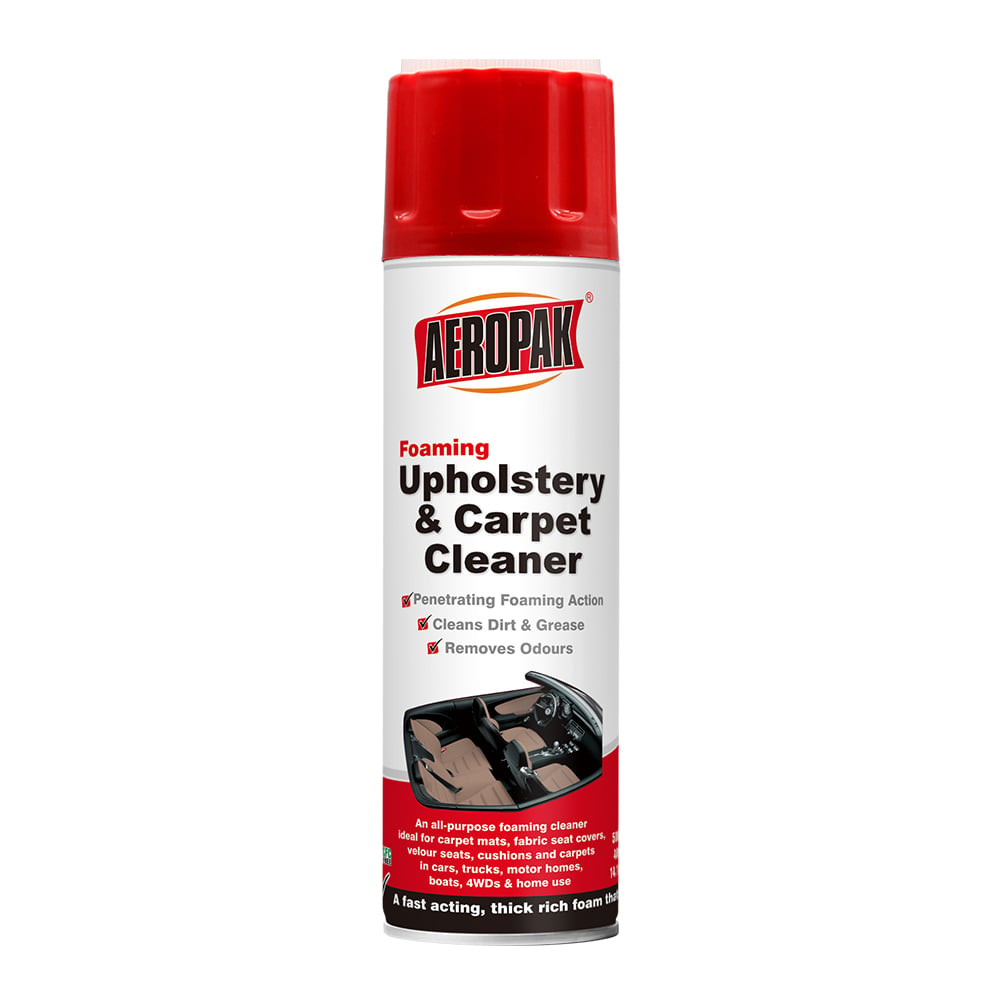
Full care products are formulated to neutralize, remove, or create barriers against these destructive agents. A foaming upholstery and carpet cleaner, for instance, penetrates fabric fibers to lift embedded contaminants without saturating the material with excess moisture. This targeted action prevents the kind of deep-set soiling that eventually requires steam extraction services or full fabric replacement. Understanding the cause-and-effect chain between surface neglect and repair costs is the first step in appreciating the economic value of full care products.
The degradation timeline matters enormously in the cost equation. Materials that are cleaned and treated regularly maintain their structural integrity far longer than those subjected to intermittent or ineffective care. This is not a marginal difference — studies in automotive materials management consistently show that properly maintained interiors and exteriors can extend service life by several years, delaying capital expenditure on replacement components or entire vehicle refurbishments.
Active Ingredients and Their Protective Roles
What separates effective full care products from generic cleaning agents is the sophistication of their formulations. Quality automotive care products typically combine surfactants for cleaning action, conditioning agents to prevent material brittleness, and pH-balanced carriers that protect sensitive surfaces from chemical stress. Foaming formulations, in particular, offer a mechanical advantage: the foam structure holds active ingredients in contact with the surface for longer, improving cleaning efficacy without requiring harsh abrasives.
Conditioning components within full care products do more than simply clean — they replenish natural oils in leather and vinyl, maintain the elasticity of rubber seals, and leave behind protective films that resist future contamination. This dual action of cleaning and conditioning means that each application does not merely restore the current condition but actively improves resistance to the next cycle of exposure. Over months and years of consistent use, this cumulative protection results in measurably lower rates of cracking, fading, and structural failure.
For commercial and fleet applications, the choice of full care products becomes a matter of operational efficiency as well as cost management. Formulations that work quickly, require minimal equipment, and deliver consistent results across diverse surface types allow maintenance teams to cover more vehicles in less time. This productivity advantage compounds the direct material savings, making full care products an investment with multiple layers of return.
Interior Protection and the Prevention of Expensive Replacements
Upholstery and Carpet Maintenance as a Long-Term Strategy
Interior surfaces take the most sustained abuse of any part of a vehicle. Passengers introduce dirt, liquids, biological matter, and chemical residues on a daily basis, and without consistent care, these contaminants penetrate deep into fibers where standard cleaning methods cannot reach. The financial consequence of neglected interiors is significant: professional deep cleaning services are expensive, and in severe cases, full seat reupholstering or carpet replacement can cost hundreds to thousands of dollars per vehicle.
Incorporating full care products into a regular maintenance schedule prevents this escalation. Foaming cleaners designed for upholstery and carpet use penetrate fiber structures to lift contaminants from within, neutralizing odors and restoring appearance without the need for professional equipment or lengthy drying times. Applied consistently — monthly for heavy-use vehicles, quarterly for lighter applications — these products effectively reset the contamination clock, preventing the accumulation that leads to permanent staining and fiber degradation.
For businesses managing vehicle fleets, this translates into tangible asset value preservation. A fleet vehicle maintained with full care products throughout its service life retains significantly higher resale value than a comparable vehicle that received only ad hoc cleaning. This residual value difference, multiplied across a fleet of dozens or hundreds of vehicles, represents a substantial financial advantage that justifies investment in quality care products many times over.
Protecting Trim, Plastics, and Rubber Surfaces
Interior hard surfaces — dashboard panels, door trims, center consoles, and rubber seals — are vulnerable to UV degradation, chemical exposure from cleaning agents, and the gradual embrittlement that comes from temperature cycling. Once plastic trim becomes brittle and cracks, or rubber seals lose their elasticity and begin to leak, repair or replacement becomes unavoidable. The labor and parts costs associated with these repairs are consistently underestimated by vehicle owners who focus only on mechanical maintenance.
Full care products formulated for hard interior surfaces create protective barriers that slow UV penetration and resist chemical attack. Regular application keeps plastics supple, maintains the color depth of trim panels, and extends the effective sealing life of rubber components. Each of these benefits represents a deferred repair cost — money that stays in the owner's or fleet manager's budget rather than flowing to a workshop.
The logic is straightforward: it costs far less to apply a protective product every few months than to replace a cracked dashboard panel or a failed door seal. Full care products make this economics work by delivering consistent, measurable protection that accumulates in value over time. The key is selecting products appropriate for each surface type and committing to a regular application schedule rather than treating care as an occasional corrective measure.
Exterior Care and the Economics of Paint and Surface Preservation
How Exterior Full Care Products Prevent Structural Damage
A vehicle's exterior is its first line of defense against environmental attack, and maintaining that defense is directly tied to long-term cost management. Paint systems are expensive to restore once they have degraded beyond a certain point — professional paint correction, respray of panels, or rust treatment can represent thousands of dollars in repair costs. Full care products for exterior surfaces work by maintaining the protective layers that stand between the environment and the substrate.
Regular washing with appropriate automotive shampoos removes corrosive contaminants before they can chemically attack paint. Detail sprays and wax-based products applied after washing create hydrophobic layers that cause water and road grime to bead off rather than sit and work into the surface. These layers also reduce the adhesion of bird droppings and tree sap — two of the most aggressive environmental contaminants that, if left for even a short period, can etch permanently through clear coats.
The cumulative effect of consistent exterior care using full care products is a paint system that remains in serviceable condition for the full working life of the vehicle. This is particularly valuable in commercial contexts where vehicle appearance directly affects brand perception. A well-maintained vehicle communicates professionalism and reliability — intangible assets that have real business value alongside the direct cost savings from avoided repairs.
Wheel, Glass, and Underbody Protection Strategies
Exterior vehicle care extends beyond paintwork to encompass wheels, glass surfaces, and underbody components — areas where contamination and corrosion can cause expensive damage if not actively managed. Brake dust is highly corrosive and, if allowed to bond with wheel surfaces over time, can damage protective coatings and require costly wheel refurbishment. Full care products designed for wheel maintenance remove this contamination regularly, preventing the bonding process and preserving wheel finish.
Glass surfaces treated with hydrophobic full care products maintain clearer visibility in wet conditions and resist the mineral deposits that etch into untreated glass over time. Windshield replacement is a significant expense, and the degradation that makes replacement necessary is almost entirely preventable with regular treatment. The same principle applies to underbody protection — products that coat underbody surfaces create barriers against road salt, moisture, and debris that would otherwise accelerate corrosion of structural and mechanical components.
Each of these applications follows the same economic logic: a small, regular investment in appropriate full care products prevents a large, irregular expenditure on component repair or replacement. When this logic is applied consistently across all exterior surfaces, the total repair cost reduction over a vehicle's life becomes substantial and measurable.
Implementing a Full Care Product Routine for Maximum Cost Reduction
Establishing Maintenance Intervals and Product Selection
The benefits of full care products are only realized when they are used consistently and appropriately. Ad hoc application — cleaning a vehicle when it looks dirty rather than on a scheduled basis — allows degradation processes to advance between sessions, reducing the protective effect of each treatment. Establishing clear maintenance intervals based on vehicle usage patterns, environmental conditions, and surface types is the foundation of an effective care strategy.
For heavily used commercial vehicles, interior cleaning with appropriate foaming cleaners should occur at least monthly, with exterior protection products applied every four to six weeks. Lighter-use vehicles can operate on longer cycles, but the key principle remains: regular, scheduled care using the right full care products prevents the accumulation of damage that makes repair inevitable. Product selection should be matched to surface type, ensuring that formulations designed for upholstery are not applied to glass and vice versa.
Procurement teams sourcing full care products for fleet applications should prioritize products that offer multi-surface compatibility, efficient application processes, and concentrated formulations that reduce per-unit cost at scale. These factors, combined with the long-term repair cost savings, make full care products one of the highest-return line items in a fleet maintenance budget.
Training and Process Integration for B2B Applications
For businesses managing vehicle fleets or operating in the automotive service sector, the effectiveness of full care products depends not just on product quality but on the processes and people applying them. A high-quality foaming upholstery cleaner applied incorrectly — left on too long, not agitated sufficiently, or applied to a surface that needed dry removal first — will underperform its potential. Training staff in correct product use is therefore a direct investment in cost reduction outcomes.
Process integration means embedding full care product application into existing maintenance workflows rather than treating it as an add-on. Vehicle check-ins, service intervals, and fleet rotation schedules all present natural opportunities to incorporate care routines. When these routines are standardized and documented, the consistency of application improves, and the cumulative protective benefits of full care products are maximized across the entire vehicle portfolio.
The business case for this investment is compelling. Reduced repair frequencies, higher residual asset values, lower professional cleaning costs, and extended component lifespans all contribute to a total cost of ownership reduction that is directly attributable to the disciplined use of full care products. For decision-makers evaluating maintenance expenditure, the return on investment from a well-implemented care product program consistently outperforms reactive repair strategies.
FAQ
How often should full care products be applied to achieve meaningful cost savings?
The optimal frequency depends on vehicle usage intensity and environmental conditions. For commercial or heavily used vehicles, interior full care products should be applied monthly and exterior protection products every four to six weeks. For lighter-use vehicles, quarterly interior care and bi-monthly exterior treatment typically provide sufficient protection. The key is consistency — regular application prevents the accumulation of damage rather than correcting it after the fact, which is where the cost savings are generated.
Are full care products suitable for all vehicle surface types?
Most quality full care products are formulated for specific surface categories — fabric upholstery, leather, hard plastics, rubber, paintwork, glass, or wheels. It is important to select products appropriate for each surface type to avoid unintended chemical reactions or damage. Many manufacturers offer multi-surface formulations or clearly labeled product ranges that make selection straightforward. Using the correct product for each surface ensures maximum protective benefit and avoids the cost of correcting damage caused by inappropriate product use.
Can full care products replace professional detailing services entirely?
Full care products are most effective as a preventive maintenance tool used between professional detailing sessions, not necessarily as a complete replacement. Regular home or fleet-level application significantly reduces the frequency and intensity of professional services required, but periodic professional deep cleaning and paint correction may still add value, particularly for high-value or client-facing vehicles. The combination of consistent product application and occasional professional service represents the most cost-effective overall approach to vehicle maintenance.
What should fleet managers look for when selecting full care products for large-scale use?
Fleet managers should prioritize full care products that offer proven efficacy on the specific surfaces common in their fleet, efficient application methods that minimize labor time, concentrated formulations that reduce per-unit cost at volume, and compatibility with existing maintenance workflows. Safety data sheets and environmental compliance documentation are also important considerations for commercial procurement. Testing a product on a small subset of vehicles before full fleet rollout allows managers to verify performance claims and refine application processes before committing to large-scale purchase.
Table of Contents
- The Science Behind Preventive Vehicle Care
- Interior Protection and the Prevention of Expensive Replacements
- Exterior Care and the Economics of Paint and Surface Preservation
- Implementing a Full Care Product Routine for Maximum Cost Reduction
-
FAQ
- How often should full care products be applied to achieve meaningful cost savings?
- Are full care products suitable for all vehicle surface types?
- Can full care products replace professional detailing services entirely?
- What should fleet managers look for when selecting full care products for large-scale use?