EN
EN

Automotive workshops face mounting pressure to control operational expenses while maintaining high-quality service standards. One strategic approach that often gets overlooked involves optimizing procurement strategies for essential maintenance products. By implementing bulk purchasing programs for cleaning and detailing materials, service centers can achieve substantial cost reductions without compromising service quality. The economic benefits extend beyond simple unit price savings, creating opportunities for improved profit margins and enhanced customer satisfaction through consistent product availability.
Understanding the Economics of Bulk Procurement
Volume Pricing Advantages
Professional automotive facilities that transition to bulk purchasing arrangements typically experience immediate cost reductions ranging from 15% to 35% compared to retail procurement methods. These savings emerge from manufacturer direct relationships, reduced packaging costs per unit, and elimination of multiple distribution markups. Workshop owners who commit to larger order quantities can negotiate favorable terms that include extended payment periods and guaranteed pricing stability during contract periods.
The financial impact becomes more pronounced when analyzing annual consumption patterns. A medium-sized workshop processing 200 vehicles monthly might consume significant quantities of degreasers, detailing compounds, and surface cleaners. When multiplied across twelve months, the cumulative savings from wholesale car cleaning supplies procurement can fund equipment upgrades or facility improvements.
Inventory Management Efficiency
Bulk purchasing enables workshops to maintain consistent inventory levels while reducing procurement frequency. Instead of weekly or bi-weekly supply runs, facilities can operate with monthly or quarterly ordering schedules. This approach minimizes time spent on purchasing activities and reduces the risk of service interruptions due to product shortages. Additionally, larger inventory quantities provide buffer stock for unexpected demand spikes or supply chain disruptions.
Proper storage systems become crucial when implementing bulk procurement strategies. Workshops must invest in appropriate shelving, climate control, and inventory tracking systems to maximize product shelf life and minimize waste. The initial investment in storage infrastructure typically pays for itself within the first year through reduced product costs and improved operational efficiency.
Product Quality and Performance Considerations
Consistency Across Service Operations
Standardizing on specific wholesale car cleaning supplies ensures consistent results across all service technicians and work stations. When workshops use identical products throughout their operations, staff training becomes more efficient, and quality control processes can be streamlined. Customers benefit from predictable service outcomes regardless of which technician performs their vehicle maintenance.
Professional-grade wholesale products often demonstrate superior performance characteristics compared to consumer-level alternatives. Industrial formulations typically contain higher concentrations of active ingredients, resulting in faster cleaning times and more thorough results. This efficiency translates to reduced labor costs per service operation and improved customer throughput capacity.
Specialized Applications and Versatility
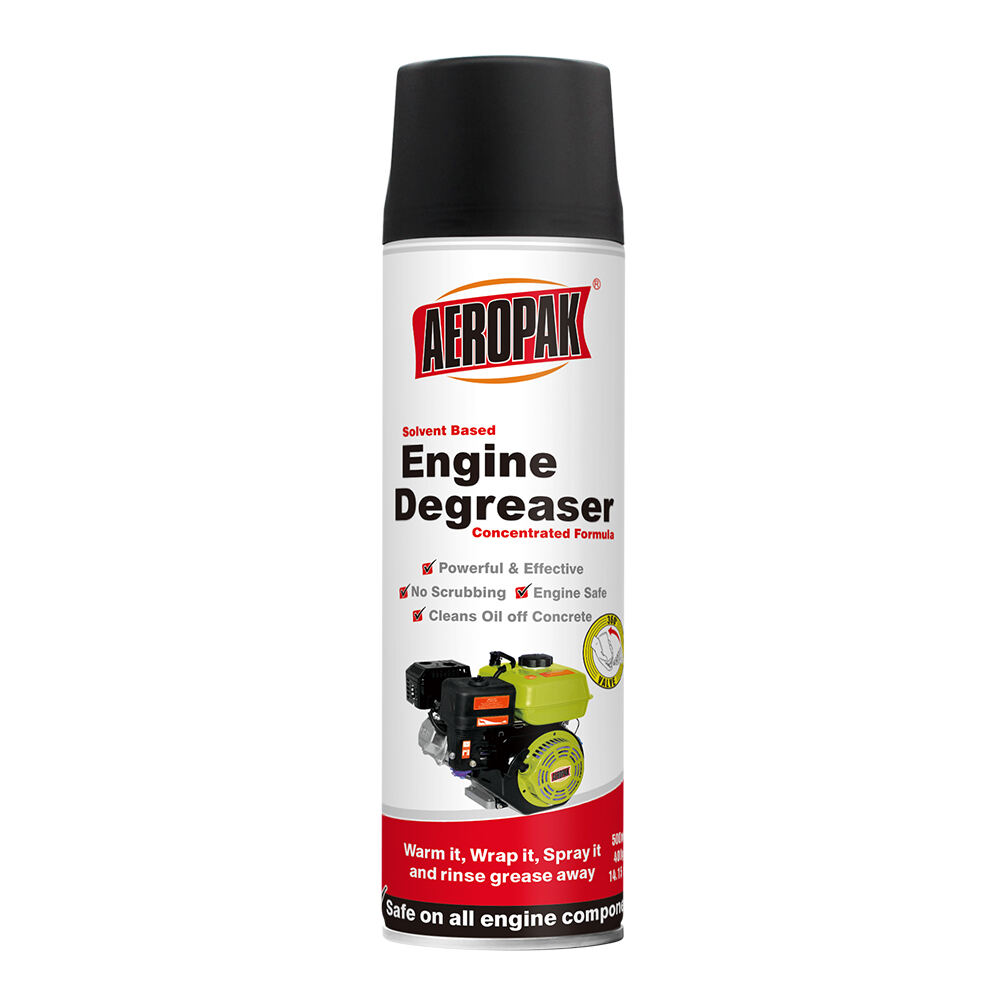
Modern wholesale car cleaning supplies encompass specialized formulations designed for specific automotive systems and materials. Engine degreasers, for instance, must effectively remove oil and grease deposits while remaining safe for sensitive engine components. Bulk purchasing arrangements often provide access to technical support and application training from manufacturers, ensuring optimal product utilization.
Versatile products that serve multiple cleaning applications can further reduce inventory complexity and procurement costs. A high-quality multipurpose cleaner might effectively handle interior surfaces, exterior panels, and engine compartment cleaning tasks. This consolidation reduces the number of different products workshops must stock and manage.
Implementation Strategies for Cost Reduction
Supplier Relationship Development
Establishing long-term partnerships with wholesale car cleaning supplies distributors creates opportunities for preferential pricing and service terms. Reliable suppliers often provide additional value through technical training programs, marketing support materials, and priority delivery services during peak demand periods. These relationships become particularly valuable during industry supply shortages or raw material price fluctuations.
Regular communication with suppliers enables workshops to stay informed about new product developments, seasonal promotions, and industry trends. Proactive suppliers may offer early access to innovative formulations or discounted pricing on slow-moving inventory items. This collaboration approach transforms procurement from a transactional activity into a strategic business partnership.
Storage and Handling Optimization
Efficient storage systems maximize the value of bulk purchases by extending product shelf life and minimizing waste. Temperature-controlled storage areas protect chemical stability, while proper rotation procedures ensure older inventory gets used before newer shipments. Automated dispensing systems can reduce product waste by controlling portion sizes and preventing contamination.
Safety considerations become more critical with larger chemical inventories. Workshops must implement proper ventilation systems, emergency response procedures, and staff training programs to manage increased quantities of cleaning compounds. Compliance with environmental regulations and worker safety standards requires ongoing attention and documentation.
Measuring Return on Investment
Direct Cost Analysis
Quantifying the financial benefits of wholesale car cleaning supplies procurement requires systematic tracking of purchase prices, consumption rates, and service delivery times. Workshops should maintain detailed records comparing bulk purchase costs against previous retail pricing to document actual savings achieved. This analysis should include all associated costs such as storage, handling, and inventory carrying expenses.
Labor efficiency improvements often provide additional cost benefits beyond direct product savings. When technicians work with higher-quality products that clean more effectively, service times decrease and productivity increases. These operational improvements contribute to overall profitability and customer satisfaction levels.
Long-term Strategic Benefits
The cumulative impact of bulk procurement extends beyond immediate cost reductions to support long-term business growth objectives. Improved profit margins enable reinvestment in equipment, facility improvements, and staff training programs. Enhanced service quality and consistency can differentiate workshops from competitors and support premium pricing strategies.
Financial stability improves when workshops secure predictable pricing through wholesale contracts, making budgeting and financial planning more accurate. This stability enables better cash flow management and strategic planning for expansion or equipment purchases. The reduced time spent on procurement activities also allows management to focus on customer service and business development initiatives.
FAQ
What minimum order quantities typically apply for wholesale car cleaning supplies?
Most wholesale suppliers require minimum orders ranging from $500 to $2,000 depending on the product category and supplier size. Some manufacturers offer tiered pricing with better discounts for larger commitments. Workshops should evaluate their monthly consumption patterns to determine appropriate order sizes that balance cost savings with inventory management requirements.
How should workshops handle seasonal demand variations with bulk purchasing?
Successful bulk procurement strategies account for seasonal fluctuations by adjusting order timing and quantities based on historical usage patterns. Summer months typically require more exterior cleaning products, while winter conditions increase demand for undercarriage cleaners and de-icing compounds. Flexible supplier agreements can accommodate these variations through seasonal pricing adjustments or modified delivery schedules.
What storage requirements are necessary for wholesale cleaning supply quantities?
Proper storage requires temperature-controlled environments, adequate ventilation, spill containment systems, and organized inventory management procedures. Most cleaning chemicals should be stored between 50-80 degrees Fahrenheit away from direct sunlight and ignition sources. Workshops need sufficient shelving capacity and clear labeling systems to maintain product quality and ensure first-in-first-out rotation practices.
How can workshops ensure product quality when buying in bulk quantities?
Quality assurance involves selecting reputable suppliers with established track records, requesting product samples before large purchases, and monitoring expiration dates carefully. Workshops should establish relationships with suppliers who provide technical support and stand behind their products with satisfaction guarantees. Regular performance evaluations and staff feedback help identify any quality issues early in the procurement cycle.
Table of Contents
- Understanding the Economics of Bulk Procurement
- Product Quality and Performance Considerations
- Implementation Strategies for Cost Reduction
- Measuring Return on Investment
-
FAQ
- What minimum order quantities typically apply for wholesale car cleaning supplies?
- How should workshops handle seasonal demand variations with bulk purchasing?
- What storage requirements are necessary for wholesale cleaning supply quantities?
- How can workshops ensure product quality when buying in bulk quantities?