EN
EN
Proper application of car care products is essential for achieving professional results and maintaining your vehicle's appearance. Many car enthusiasts and professional detailers make common mistakes that can damage paint, waste products, or deliver subpar results. Understanding these pitfalls and learning how to avoid them will help you maximize the effectiveness of your car care routine while protecting your investment. Whether you're using traditional washing methods or modern solutions like waterless cleaning wax, attention to detail and proper technique make all the difference in achieving that showroom finish.
Surface Preparation Mistakes That Compromise Results
Skipping Initial Contamination Assessment
One of the most critical errors occurs before any product touches your vehicle's surface. Failing to properly assess the level of contamination can lead to scratching, streaking, or ineffective cleaning. Professional detailers always examine the paint condition, identifying areas with heavy dirt buildup, tar spots, or embedded contaminants. This assessment determines whether pre-washing steps are necessary and which products will be most effective. Rushing into application without this evaluation often results in dragging abrasive particles across delicate surfaces, causing permanent damage that requires expensive correction.
Temperature and environmental conditions play a crucial role in surface preparation success. Applying products to surfaces that are too hot from direct sunlight can cause premature drying, leading to streaking and uneven coverage. Similarly, working in extremely cold conditions can affect product viscosity and performance. The ideal working temperature ranges between 60-80°F in shaded conditions. Wind can also interfere with application by causing products to dry too quickly or introducing airborne contaminants during the process.
Inadequate Cleaning Before Product Application
Another frequent mistake involves insufficient cleaning before applying protective products like wax or sealants. Dirt, dust, and road grime act as barriers that prevent proper bonding between the product and paint surface. Even microscopic particles can create an uneven base that affects the final finish quality. Professional applications always include thorough decontamination using appropriate washing techniques, clay bar treatment when necessary, and complete drying before proceeding with protective products.
Water quality considerations are often overlooked but significantly impact preparation effectiveness. Hard water containing high mineral content can leave spots and residues that interfere with subsequent product applications. Using distilled or filtered water for final rinses ensures a clean foundation. Additionally, contaminated wash tools like dirty mitts or towels can reintroduce particles to freshly cleaned surfaces, negating previous cleaning efforts.
Application Technique Errors That Reduce Effectiveness
Incorrect Product Quantity and Distribution
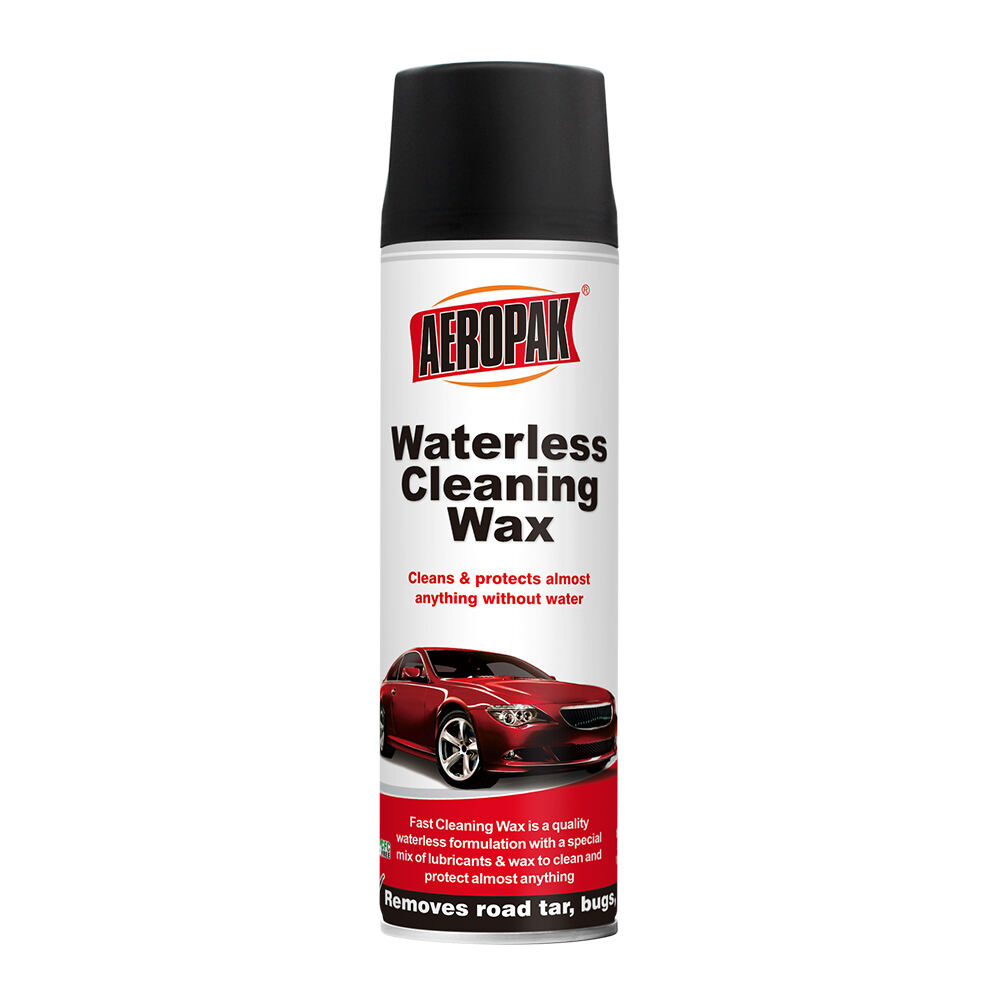
Using excessive amounts of car care products is a common misconception that more equals better results. Overapplication often leads to difficult removal, streaking, and product waste. Most modern formulations, including advanced waterless cleaning wax, are designed to work effectively with minimal quantities. Following manufacturer recommendations for coverage areas helps achieve optimal results while maximizing product value. Thin, even coats typically outperform thick applications in both appearance and durability.
Uneven distribution across the vehicle surface creates inconsistent protection and appearance. Working in small sections ensures adequate coverage without allowing products to dry prematurely. Professional detailers typically work panel by panel, maintaining consistent overlap patterns to avoid missed areas. Cross-hatch application techniques help ensure complete coverage, while systematic approaches prevent confusion about which areas have been treated.
Improper Removal and Buffing Techniques
The removal process is equally important as application but often receives less attention from inexperienced users. Using inappropriate tools for buffing can create marring, swirl marks, or leave residue behind. High-quality microfiber towels with proper pile density provide optimal removal without scratching delicate surfaces. Folding towels correctly and using clean sections for each pass prevents cross-contamination and ensures consistent results across the entire vehicle.
Timing plays a critical role in successful removal. Allowing products to remain on surfaces too long can make removal difficult and may require additional cleaning steps. Conversely, attempting removal before proper curing can result in streaking or incomplete bonding. Each product has specific working times that should be strictly followed. Environmental conditions affect these timing windows, requiring adjustments based on temperature, humidity, and airflow conditions.
Tool Selection and Maintenance Problems
Using Inappropriate Application Tools
Tool selection significantly impacts application success, yet many users default to whatever materials are readily available rather than choosing appropriate options for specific products. Different formulations require different application methods, whether spray-on solutions, paste waxes, or liquid sealants. Using the wrong applicator can result in uneven distribution, contamination, or damage to both the product and vehicle surface. Foam applicators, microfiber cloths, and synthetic applicator pads each serve specific purposes in professional detailing.
Quality differences in application tools are substantial and directly affect results. Cheap alternatives often shed fibers, create streaking, or fail to distribute products evenly. Professional-grade tools may require higher initial investment but deliver superior results and longer service life. Additionally, using tools designed for other purposes, such as household cleaning cloths, can introduce contaminants or inappropriate textures that damage automotive finishes.
Neglecting Tool Cleanliness and Storage
Contaminated tools are responsible for numerous application failures that could be easily prevented with proper maintenance. Residue from previous applications can interfere with new product performance, create uneven finishes, or introduce abrasive particles. Establishing cleaning protocols for all application tools ensures consistent performance across multiple uses. Different cleaning methods are required for various tool types, from simple rinses to specialized cleaning solutions.
Storage conditions affect tool longevity and performance capabilities. Improper storage can lead to contamination, degradation, or damage that compromises future applications. Dedicated storage systems that protect tools from dust, moisture, and contamination help maintain optimal performance. Regular inspection and replacement schedules ensure tools remain in prime condition for achieving professional results.
Environmental and Timing Considerations
Weather Condition Mistakes
Environmental conditions have profound effects on car care product performance, yet these factors are frequently overlooked by casual users. High humidity levels can slow drying times and affect bonding characteristics, while low humidity may cause products to dry too quickly for proper spreading. Wind conditions can introduce airborne contaminants during application or cause uneven drying patterns. Temperature extremes in either direction can alter product viscosity, working times, and final results.
Direct sunlight creates multiple challenges for successful applications. Hot surfaces cause rapid product evaporation, leading to streaking and difficulty in removal. UV exposure during application can also begin breaking down certain product components before they properly bond to the surface. Professional detailers typically work in shaded areas or during cooler parts of the day to optimize conditions. Creating artificial shade using portable canopies or working in covered areas helps maintain ideal application environments.
Poor Timing and Scheduling Decisions
Rushing through car care routines leads to numerous mistakes that compromise final results. Each step in the process requires adequate time for proper execution, from initial cleaning through final buffing. Attempting to complete complex detailing procedures under time pressure often results in shortcuts that reduce effectiveness. Planning sufficient time allows for proper technique execution and addressing any issues that arise during the process.
Frequency of application is another timing consideration that affects both results and cost-effectiveness. Over-application of protective products wastes materials without providing additional benefits, while insufficient frequency leaves vehicles vulnerable to environmental damage. Understanding product longevity and establishing appropriate maintenance schedules helps optimize protection while managing costs. Regular assessment of existing protection levels guides timing decisions for reapplication.
Product Selection and Compatibility Issues
Choosing Incompatible Product Combinations
Mixing incompatible products represents one of the most serious mistakes in car care applications. Chemical interactions between different formulations can result in poor adhesion, streaking, or even surface damage. Silicone-based products, for example, can interfere with subsequent applications of other protective coatings. Understanding product chemistry and compatibility helps prevent costly mistakes and ensures optimal performance from each application.
Layering products without proper intervals or preparation can create problems similar to incompatibility issues. Some products require complete curing before additional layers or different products can be applied. Manufacturer instructions typically specify recommended waiting periods and preparation steps for multi-product systems. Following these guidelines prevents interaction problems and ensures each product performs as designed.
Ignoring Surface-Specific Requirements
Different automotive surfaces require specialized products and techniques for optimal results. Using glass cleaners on plastic trim or applying tire shine products to painted surfaces can cause permanent damage or staining. Modern vehicles incorporate various materials including painted metal, plastic trim, rubber seals, and glass, each requiring appropriate product selection. Understanding these differences and choosing surface-specific products prevents damage while achieving superior results across all vehicle components.
Age and condition of vehicle surfaces also influence product selection requirements. Older paint may be more sensitive to aggressive cleaners or require gentler formulations. Previously damaged or repaired areas might have different characteristics that affect product performance. Assessing surface condition and adjusting product choices accordingly helps prevent further damage while achieving the best possible improvement in appearance.
FAQ
How often should I apply waterless cleaning wax to maintain protection
The application frequency for waterless cleaning wax depends on several factors including driving conditions, environmental exposure, and product quality. Generally, high-quality waterless cleaning wax should be applied every 4-6 weeks for vehicles exposed to normal conditions. Those parked outdoors or driven in harsh environments may require more frequent applications every 2-3 weeks. Regular inspection of water beading behavior helps determine when reapplication is necessary, as diminished beading indicates reduced protection levels.
Can I use waterless cleaning wax on all vehicle surfaces
Waterless cleaning wax is primarily designed for painted surfaces and should not be used on all vehicle components without verification. While safe for most painted areas, avoid application on glass surfaces, fabric convertible tops, or raw plastic trim unless specifically indicated by the manufacturer. Some formulations may be suitable for chrome or metal accents, but always test in an inconspicuous area first. Reading product specifications and following manufacturer guidelines ensures safe application across appropriate surfaces.
What should I do if I notice streaking after applying car care products
Streaking typically results from improper application technique, environmental conditions, or contaminated tools. First, ensure you're working in shaded conditions with clean microfiber towels. If streaking persists, the surface may need additional cleaning to remove residue or contaminants. Reapply the product using thinner coats and proper buffing techniques with fresh towels. In severe cases, you may need to remove all product residue with a mild cleaner and restart the application process under optimal conditions.
Is it necessary to wash my car before using waterless cleaning wax
While waterless cleaning wax is designed to clean and protect without traditional washing, pre-washing is recommended for heavily soiled vehicles. Light dust and road film can be effectively handled by waterless products alone, but thick mud, salt, or embedded contaminants should be removed through conventional washing first. This approach prevents dragging abrasive particles across the paint surface during application, which could cause scratching or marring. Assess soil level before deciding whether pre-washing is necessary for optimal results.