EN
EN
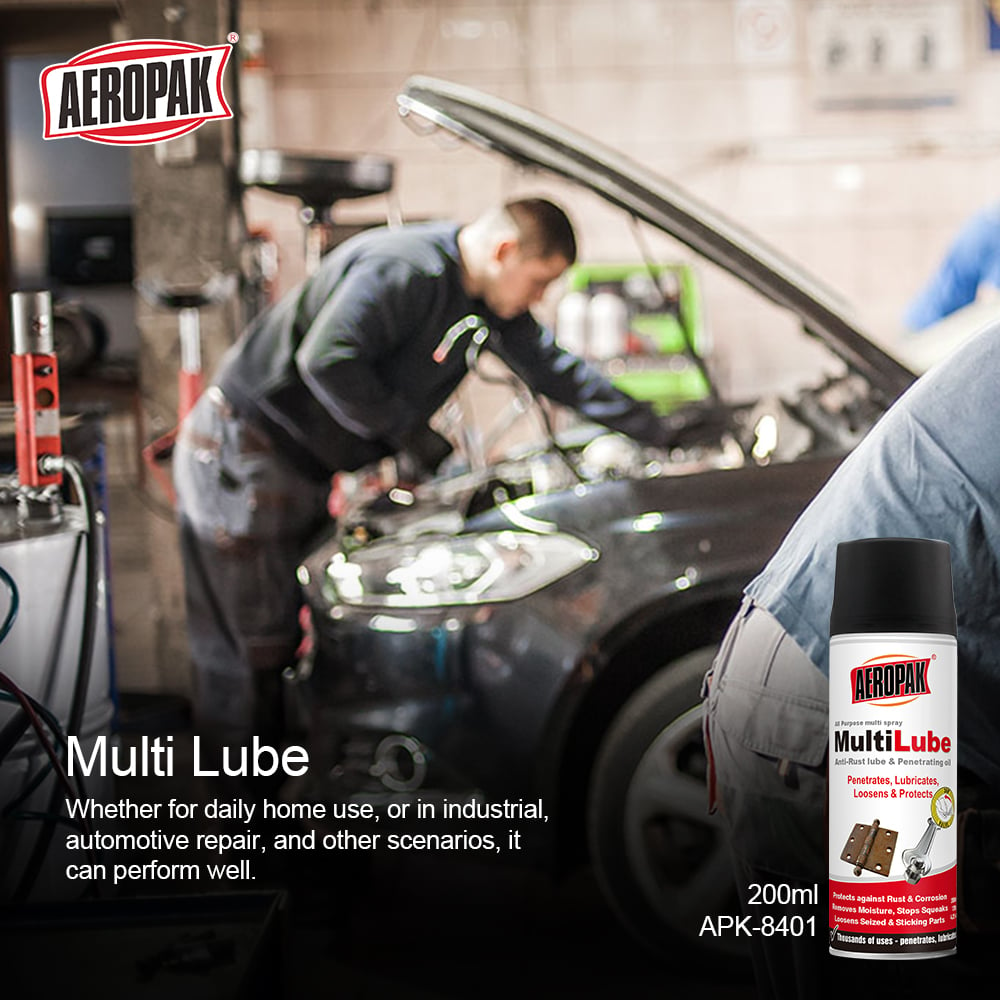
Car lubricants are fundamental to maintaining optimal engine performance and managing fuel consumption in modern vehicles. The relationship between car lubricants and engine efficiency is direct and measurable: superior car lubricants reduce internal friction, lower operating temperatures, and enable engines to operate at peak efficiency. When car lubricants are properly selected and maintained, they directly influence how much fuel your vehicle consumes and how long your engine lasts. Understanding this connection helps vehicle owners make informed decisions about maintenance and product selection.
The science behind car lubricants reveals why engine efficiency and fuel economy are intimately connected. Car lubricants create a protective film between moving engine components, reducing friction and heat generation. This protective layer means your engine works less hard to overcome internal resistance, translating directly into better fuel economy. Modern car lubricants are engineered with advanced additives and viscosity ratings specifically designed to balance protection with efficiency, making them critical for both performance and economy.
How Car Lubricants Reduce Engine Friction and Boost Efficiency
The Friction Reduction Mechanism
Car lubricants work by forming a thin, continuous film between metal surfaces that would otherwise experience direct contact. This boundary layer reduces friction between pistons, rings, bearings, and cylinder walls. When friction decreases, the engine requires less energy to complete each combustion cycle, resulting in improved fuel efficiency. High-quality car lubricants maintain this protective film across a wider temperature range, ensuring consistent performance whether your engine is cold-starting in winter or operating at highway temperatures.
Viscosity and Performance Balance
Viscosity rating is central to how car lubricants influence engine efficiency. Thinner car lubricants (lower viscosity) flow more easily through engine passages, reducing drag and improving cold-start performance. However, car lubricants must remain thick enough to maintain protection under extreme heat and pressure. Modern multigrade car lubricants achieve this balance with sophisticated formulations that change viscosity minimally across temperature variations. Selecting the correct viscosity of car lubricants for your specific engine ensures optimal friction reduction without sacrificing protective capability.
Temperature Management and Fuel Consumption Impact
Thermal Regulation Through Quality Car Lubricants
Efficient car lubricants absorb and dissipate heat generated by engine combustion and friction. This thermal management prevents excessive temperature buildup, which can lead to engine knock, premature fuel ignition, and reduced efficiency. When car lubricants effectively manage temperature, your engine maintains ideal operating conditions, burning fuel more completely and efficiently. Poor-quality car lubricants break down under heat stress, losing their protective and cooling properties and causing engines to work harder, consuming more fuel in the process.
Degradation Prevention and Consistency
Premium car lubricants contain oxidation inhibitors and thermal stability enhancers that prevent breakdown during extended use. As car lubricants degrade, their viscosity changes, their protective film weakens, and friction increases. Regular replacement with fresh car lubricants maintains consistent engine efficiency throughout the service interval. Neglecting to change car lubricants on schedule dramatically impacts fuel consumption as degraded products can no longer provide adequate protection or friction reduction.
Real-World Efficiency Gains and Maintenance Impact
Measurable Fuel Economy Improvements
Studies consistently show that properly maintained car lubricants can improve fuel economy by 1 to 3 percent compared to neglected engines using degraded car lubricants. While this percentage may seem modest, over a vehicle's lifetime, the fuel savings translate into hundreds of dollars and reduced environmental impact. Using synthetic car lubricants designed for low-friction properties can deliver even greater efficiency improvements, particularly in demanding driving conditions. The investment in quality car lubricants pays direct dividends through reduced fuel consumption and extended engine life.
Prevention of Internal Damage
Insufficient or degraded car lubricants lead to increased wear on engine components, causing internal damage that permanently reduces efficiency. Worn pistons, scored cylinder walls, and damaged bearings increase friction and allow fuel to bypass without being properly combusted. This damaged state persists even after fresh car lubricants are added, making preventive maintenance with quality car lubricants essential. Regular oil changes with appropriate car lubricants prevent this cascade of problems, maintaining efficiency and reliability throughout your vehicle's operational life.
FAQ
What viscosity of car lubricants should I use for my vehicle?
Always refer to your vehicle's owner manual for the manufacturer-recommended viscosity grade. Common grades include 5W-30 and 10W-40, where the first number indicates cold-flow properties and the second indicates hot viscosity. Using the correct car lubricants viscosity ensures optimal friction reduction and engine protection. Using thicker or thinner car lubricants than recommended can reduce efficiency and compromise engine durability.
How often should car lubricants be changed?
Most vehicles require car lubricants changes every 5,000 to 10,000 miles, though some modern synthetic car lubricants can last up to 15,000 miles. Your owner manual specifies the exact interval for your vehicle. Adhering to this schedule ensures car lubricants remain fresh and capable of providing optimal friction reduction and thermal management. Extending intervals beyond manufacturer recommendations degrades car lubricants performance and reduces fuel efficiency.
Can synthetic car lubricants improve fuel economy?
Yes, synthetic car lubricants are engineered to provide lower friction and better thermal stability than conventional car lubricants. Many drivers report 1 to 3 percent fuel economy improvements after switching to synthetic car lubricants. These premium car lubricants maintain their protective properties longer and reduce internal engine drag more effectively. The higher cost of synthetic car lubricants is often offset by improved fuel economy and extended service intervals.