EN
EN
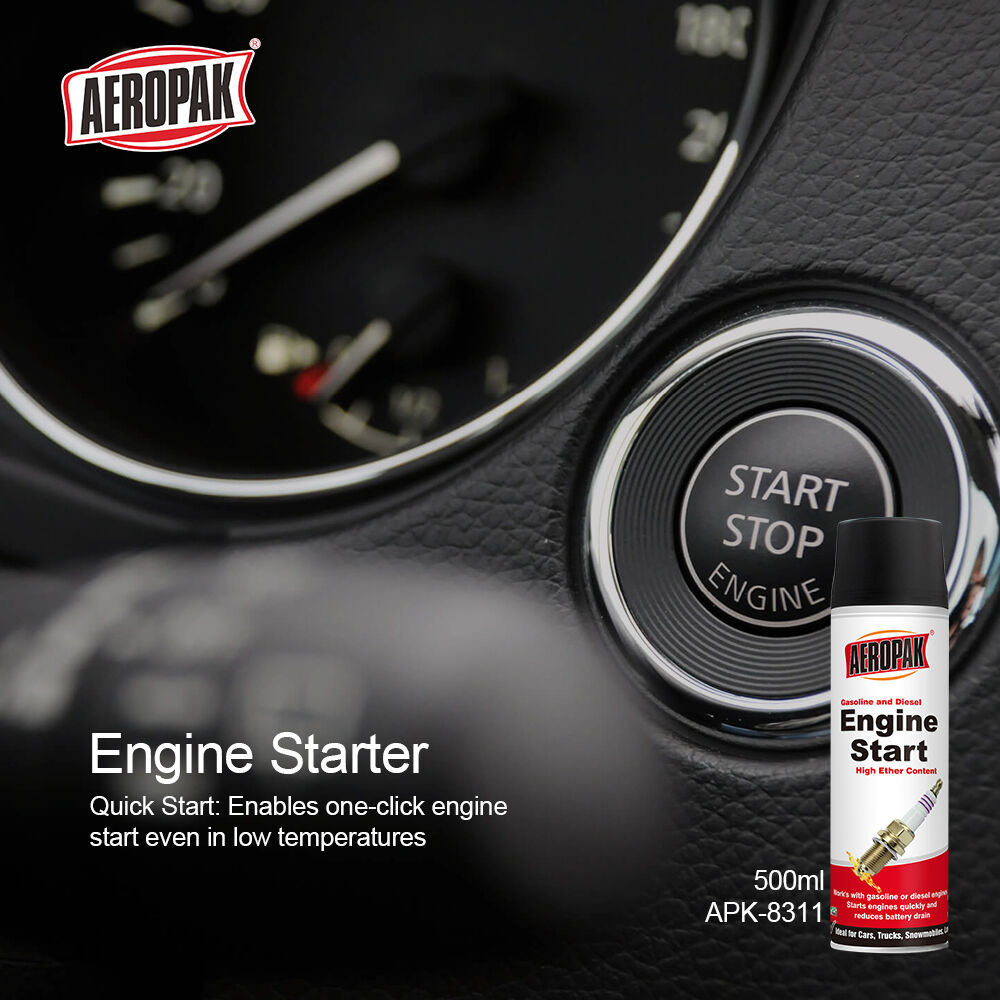
Modern vehicles depend on sophisticated systems where friction management plays a crucial role in determining overall performance and operational costs. Understanding how lubricants directly influence fuel efficiency and vehicle performance provides essential insights for maintenance decisions that can significantly impact both economic and environmental outcomes. The strategic application of quality lubricants creates a cascade of benefits that extend far beyond simple mechanical protection, affecting everything from engine responsiveness to long-term durability.
The relationship between lubricants and vehicle efficiency operates through multiple interconnected mechanisms that work simultaneously to optimize mechanical function. When properly selected and applied, lubricants reduce internal friction forces that would otherwise require additional energy to overcome, directly translating to improved fuel economy. This fundamental principle extends across all vehicle systems, from engine components to transmission assemblies, where the right lubrication strategy can deliver measurable improvements in both performance metrics and operational longevity.
The Science Behind Lubricant Impact on Fuel Economy
Friction Reduction Mechanisms in Engine Systems
Engine lubricants function by creating protective barriers between moving metal surfaces, preventing direct contact that would generate excessive heat and resistance. When pistons move within cylinders, connecting rods rotate around crankshafts, and camshafts operate valve mechanisms, quality lubricants ensure these interactions occur with minimal energy loss. The viscosity characteristics of these lubricants determine how effectively they maintain separation between surfaces while still flowing efficiently through narrow passages and clearances.
Temperature management represents another critical aspect of how lubricants influence fuel efficiency. Engine lubricants must maintain their protective properties across wide temperature ranges, from cold startup conditions to high-performance operating temperatures. When lubricants break down or become too thick in cold conditions, engines must work harder to circulate fluids and move components, directly increasing fuel consumption during critical operational periods.
The molecular structure of modern lubricants includes additives specifically designed to minimize friction coefficients between moving parts. These friction modifiers create slippery surface films that allow components to glide past each other with reduced resistance. Advanced synthetic lubricants often incorporate nano-scale particles that fill microscopic surface irregularities, creating even smoother interaction surfaces that further reduce energy requirements.
Transmission and Drivetrain Efficiency Factors
Transmission systems rely heavily on lubricants to maintain efficient power transfer from engines to wheels. Automatic transmissions use hydraulic systems where fluid viscosity directly affects pump efficiency and pressure maintenance. When transmission lubricants maintain optimal flow characteristics, hydraulic pumps require less energy to generate necessary pressures, reducing parasitic losses that would otherwise consume engine power intended for vehicle propulsion.
Differential and axle assemblies also benefit significantly from proper lubrication strategies. These components transfer rotational forces through gear sets that experience substantial mechanical stress during acceleration and cornering. High-quality lubricants in these applications prevent metal-to-metal contact while facilitating smooth gear engagement, reducing the energy losses that occur when components bind or create excessive rolling resistance.
Manual transmission systems present unique lubrication challenges where gear synchronizers and shift mechanisms must operate smoothly across varying temperature conditions. The right lubricants in these applications ensure that shifting efforts remain minimal while preventing gear wear that could create rough engagement and increased mechanical resistance. These factors collectively contribute to maintaining optimal power delivery efficiency throughout the drivetrain.
Performance Enhancement Through Strategic Lubrication
Engine Response and Power Output Optimization
Vehicle performance characteristics improve dramatically when lubricants reduce internal engine resistance and allow components to operate at their designed tolerances. Reduced friction within engine assemblies enables more consistent compression ratios, improved combustion efficiency, and better heat dissipation. These factors work together to maintain optimal engine timing and power delivery across different operating conditions.
High-performance lubricants also contribute to maintaining precise clearances between critical engine components. When bearings, pistons, and valve train components operate within optimal clearance ranges, engines can achieve better volumetric efficiency and more complete fuel combustion. This precision translates directly into improved throttle response and more predictable power delivery characteristics that enhance overall driving experience.
Temperature regulation capabilities of quality lubricants prevent performance degradation that occurs when engines operate outside optimal thermal ranges. Overheating conditions force engines to retard timing, reduce compression, or limit power output to prevent damage. Effective lubricants help maintain consistent operating temperatures, allowing engines to maintain peak performance characteristics for extended periods.
Long-Term Durability and Consistency Benefits
The relationship between lubricants and long-term vehicle performance extends beyond immediate efficiency gains to encompass component longevity and consistent operation over time. Quality lubricants prevent wear patterns that gradually degrade engine performance, maintaining compression ratios and valve sealing effectiveness throughout extended service intervals. This consistency ensures that fuel efficiency and performance characteristics remain stable rather than gradually declining.
Contamination control represents a crucial aspect of how lubricants maintain vehicle performance over time. Advanced lubricant formulations include detergent and dispersant additives that prevent harmful deposits from accumulating on critical engine surfaces. These deposits can interfere with heat transfer, alter combustion chamber geometry, and create restrictions in oil passages that force engines to work harder to achieve the same performance levels.
Oxidation resistance in quality lubricants prevents the formation of acidic compounds and sludge that can damage seals, gaskets, and metal surfaces. When lubricants maintain their chemical stability over extended periods, they continue providing consistent protection and performance benefits without requiring frequent changes that increase maintenance costs and vehicle downtime.
Application-Specific Lubrication Strategies
Climate and Operating Condition Considerations
Different operating environments require specific lubrication approaches to maximize both fuel efficiency and vehicle performance. Cold climate conditions demand lubricants that maintain flow characteristics at low temperatures, preventing the increased energy consumption associated with pumping thick fluids through engine and transmission systems. Multi-grade lubricants address this challenge by providing appropriate viscosity across wide temperature ranges.
High-temperature operating conditions require lubricants with superior thermal stability and oxidation resistance. Vehicles operating in hot climates or under heavy load conditions generate more heat, which can cause inferior lubricants to break down and lose their protective properties. Quality synthetic lubricants maintain their molecular structure and performance characteristics under these demanding conditions.
Stop-and-go driving patterns present unique challenges where lubricants must protect components during frequent startup and shutdown cycles. These conditions create temperature fluctuations and increased wear potential that require lubricants with superior film strength and anti-wear additives. Urban driving environments also expose vehicles to more contaminants that quality lubricants must effectively suspend and neutralize.
Vehicle Type and Usage Pattern Matching
Commercial vehicles and heavy-duty applications require lubricants specifically formulated to handle extended operating periods and higher mechanical stresses. These applications benefit from lubricants with enhanced load-carrying capacity and extended drain intervals that reduce maintenance requirements while maintaining protection levels. Fleet operations particularly benefit from lubrication strategies that optimize both fuel economy and component longevity.
High-performance and sports vehicles require lubricants that maintain their protective properties under extreme operating conditions. Racing applications and performance driving generate higher temperatures, pressures, and mechanical stresses that demand specialized lubricant formulations. These applications prioritize consistent performance characteristics over extended drain intervals.
Hybrid and electric vehicles present emerging lubrication challenges where traditional engine lubricants must work alongside electric motor cooling systems and regenerative braking components. These vehicles require lubricants that maintain efficiency across different power sources while providing protection for components that operate under unique duty cycles compared to conventional vehicles.
Economic and Environmental Impact Assessment
Cost-Benefit Analysis of Quality Lubrication Programs
The economic impact of strategic lubrication extends beyond immediate fuel savings to encompass reduced maintenance costs, extended component life, and improved vehicle reliability. Quality lubricants typically cost more initially but deliver greater value through extended drain intervals and superior protection that prevents costly repairs. Fleet operations often see payback periods of months rather than years when implementing comprehensive lubrication programs.
Fuel efficiency improvements from quality lubricants compound over time, creating substantial cost savings for high-mileage applications. Even modest improvements in fuel economy become significant when multiplied across thousands of operating hours or miles. Commercial applications particularly benefit from these improvements due to their high fuel consumption and extended operating schedules.
Preventive maintenance benefits of quality lubricants include reduced unscheduled downtime and extended intervals between major overhauls. These factors contribute to improved asset utilization and reduced total cost of ownership that extends well beyond direct lubrication costs. The reliability improvements associated with proper lubrication often justify premium lubricant costs through improved operational efficiency.
Environmental Sustainability Through Efficient Lubrication
Environmental benefits of effective lubrication programs include reduced fuel consumption that directly translates to lower carbon emissions and decreased environmental impact. Vehicles operating with optimized lubrication systems require less fuel to achieve the same performance levels, contributing to reduced greenhouse gas emissions and improved air quality in urban environments.
Extended lubricant drain intervals possible with quality synthetic lubricants reduce waste generation and disposal requirements. These products maintain their protective properties longer than conventional lubricants, reducing the frequency of oil changes and associated waste streams. Biodegradable lubricant formulations further enhance environmental compatibility for applications where spillage or leakage might occur.
The longevity benefits provided by quality lubricants extend vehicle service life and delay replacement cycles, reducing the environmental impact associated with manufacturing new vehicles. This sustainability aspect becomes increasingly important as organizations seek to reduce their overall environmental footprint while maintaining operational efficiency and performance standards.
FAQ
How much can quality lubricants improve fuel efficiency?
Quality lubricants typically improve fuel efficiency by 1-3% compared to conventional products, with some synthetic formulations achieving even greater improvements under specific conditions. The actual improvement depends on vehicle type, operating conditions, and current lubrication status, with older vehicles often showing more dramatic improvements than newer ones.
When should lubricants be changed to maintain optimal performance?
Change intervals depend on lubricant type, operating conditions, and manufacturer recommendations, but quality synthetic lubricants often extend service intervals significantly. Severe operating conditions such as frequent short trips, extreme temperatures, or heavy loads may require more frequent changes regardless of lubricant quality to maintain optimal performance benefits.
Do expensive synthetic lubricants always provide better fuel economy?
Premium synthetic lubricants generally provide superior fuel economy benefits due to their advanced formulations and consistent viscosity characteristics, but the cost-effectiveness depends on application and usage patterns. High-mileage vehicles and commercial applications typically see greater returns on investment from premium lubricants than occasional-use vehicles.
Can using the wrong lubricant damage vehicle performance?
Using inappropriate lubricants can significantly reduce fuel efficiency and vehicle performance while potentially causing long-term damage to engine and drivetrain components. Incorrect viscosity grades, outdated formulations, or contaminated lubricants create increased friction, poor heat dissipation, and accelerated wear that degrades performance and reliability over time.