EN
EN
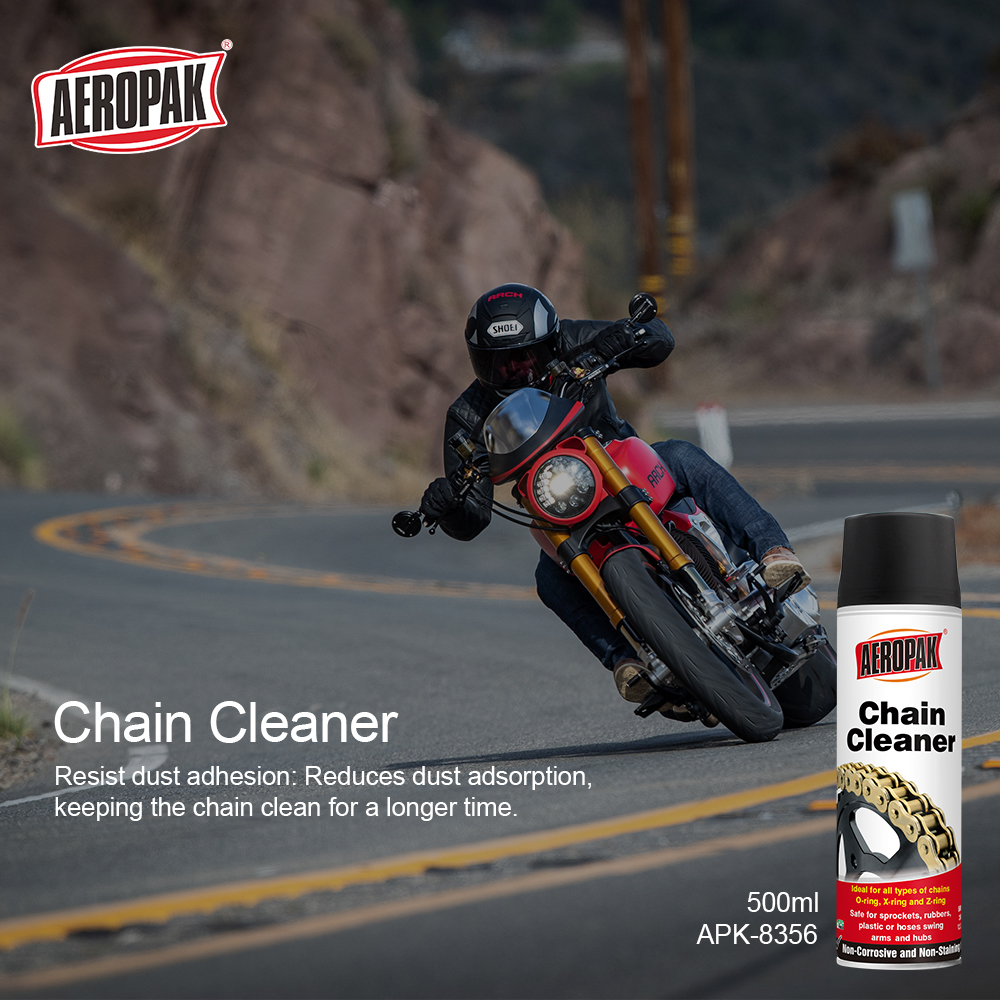
Selecting the right car lubricants is one of the most critical decisions B2B buyers face in fleet management and automotive operations. The quality and specifications of car lubricants directly impact engine performance, fuel efficiency, maintenance costs, and overall vehicle longevity. Organizations managing large vehicle fleets or providing automotive maintenance services must understand the essential criteria for evaluating car lubricants to ensure they meet operational demands and regulatory requirements.
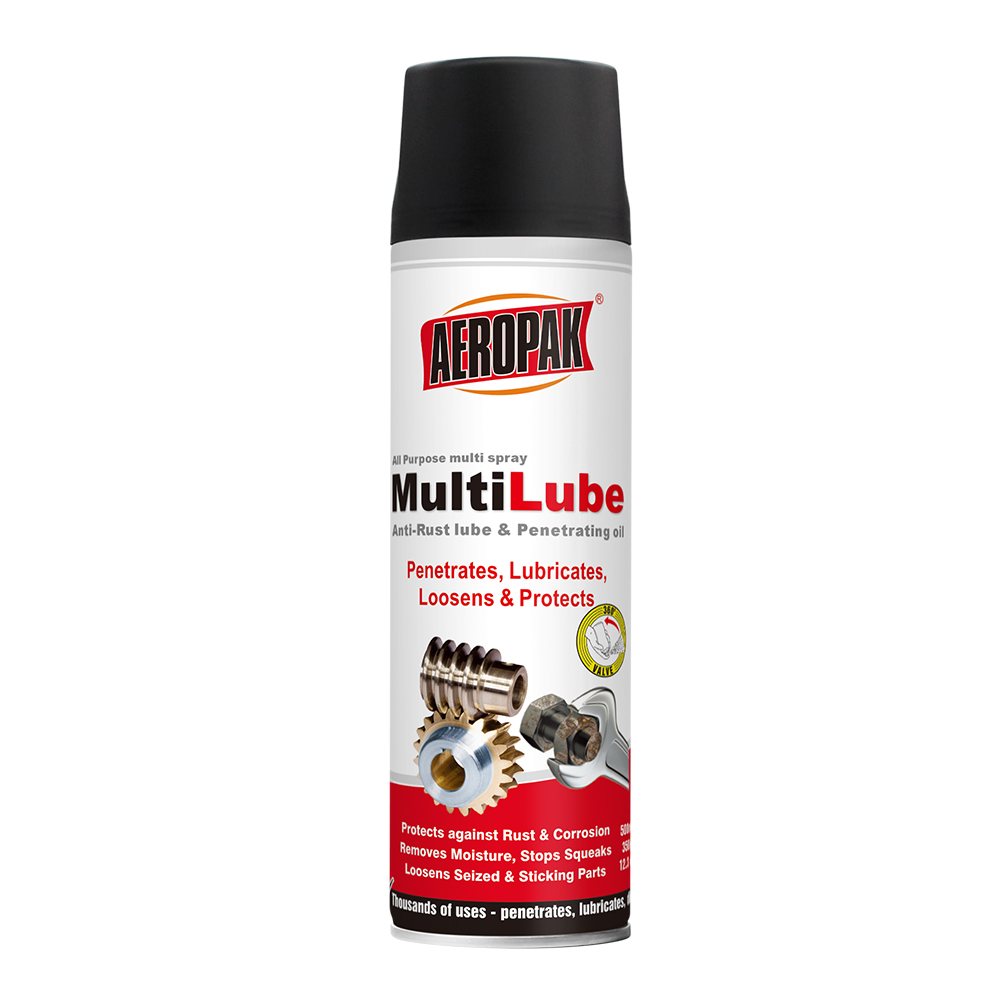
The process of selecting appropriate car lubricants involves evaluating multiple technical factors, including viscosity ratings, base oil composition, additive packages, and industry certifications. B2B purchasing teams must balance performance requirements with cost considerations while ensuring compliance with manufacturer specifications and environmental standards. This guide outlines the key factors that should guide your car lubricants purchasing decisions.
Understanding Viscosity Grades and Performance Specifications
Viscosity Ratings in Car Lubricants
Viscosity is the primary technical specification when evaluating car lubricants. The Society of Automotive Engineers (SAE) grades indicate how car lubricants flow at different temperatures, with designations such as 5W-30, 10W-40, or 15W-50. The number before the 'W' represents winter flow characteristics, while the number after indicates viscosity at operating temperatures. Selecting car lubricants with the correct viscosity grade ensures optimal engine protection across seasonal temperature variations and prevents excessive wear on engine components.
Fleet operators must consult manufacturer specifications to determine which car lubricants viscosity grades are appropriate for their specific vehicle models and operating conditions. Using incorrect viscosity in car lubricants can result in inadequate film strength, increased friction, higher fuel consumption, and premature engine wear. Modern vehicles often require lighter-weight car lubricants such as 0W-20 or 5W-20 for improved fuel economy, while older or heavy-duty applications may demand heavier car lubricants like 15W-40 or 20W-50. The viscosity index of car lubricants indicates how much the oil thins as temperature increases, with higher indices providing better performance stability.
Performance Certifications and Standards
Quality car lubricants must meet established performance standards such as API (American Petroleum Institute) classifications and ACEA (European Automobile Manufacturers' Association) specifications. These certifications ensure that car lubricants have passed rigorous laboratory and engine tests validating their protective capabilities, oxidation resistance, and thermal stability. B2B buyers should verify that car lubricants carry the appropriate certification for their vehicle fleet's engine types, whether diesel, gasoline, or hybrid powertrains.
Original Equipment Manufacturer (OEM) approvals represent another critical verification factor when assessing car lubricants. Major automotive manufacturers often establish proprietary car lubricants specifications that exceed industry minimum standards. Selecting car lubricants that meet OEM requirements ensures warranty compliance and optimal engine performance, preventing costly warranty disputes and potential engine damage claims.
Evaluating Additive Technology and Engine Protection
Advanced Additive Packages in Modern Car Lubricants
Contemporary car lubricants contain carefully formulated additive packages that enhance protection and performance beyond base oil properties. These additives in car lubricants include detergents that prevent sludge formation, dispersants that suspend contaminants, anti-wear compounds that protect engine surfaces, and anti-oxidants that extend oil life. B2B purchasing teams should evaluate whether car lubricants formulations address specific wear challenges present in their fleet, such as high-mileage engines, severe towing applications, or urban stop-and-go driving patterns.
Synthetic and semi-synthetic car lubricants offer superior thermal stability, lower volatility, and extended drain intervals compared to conventional mineral-based car lubricants. While synthetic car lubricants command higher initial costs, fleet operators often realize total cost savings through reduced oil changes, improved fuel economy, and extended engine life. The choice between conventional, synthetic blend, and fully synthetic car lubricants depends on vehicle age, usage intensity, maintenance budgets, and manufacturer recommendations for each fleet segment.
Deposit Control and Extended Drain Benefits
Deposits and sludge accumulation represent major threats to engine reliability, particularly in high-temperature operating conditions common in commercial fleets. Premium car lubricants with advanced detergent chemistry maintain engine cleanliness by preventing carbon deposits on piston rings, valve lifters, and fuel injectors. When evaluating car lubricants, B2B buyers should prioritize formulations proven to minimize varnish formation and maintain viscosity stability throughout extended service intervals.
Extended drain intervals available through premium car lubricants reduce total fleet maintenance costs and improve vehicle availability. Certain car lubricants formulations support drain intervals of 10,000, 15,000, or even 25,000 miles depending on driving conditions and engine design. Longer drain intervals in car lubricants mean fewer maintenance stops, reduced labor costs, and minimized environmental waste, making them economically attractive for large fleet operations despite their higher per-quart cost.
Cost Analysis and Supply Chain Considerations
Total Cost of Ownership in Car Lubricants Selection
B2B purchasing decisions for car lubricants should evaluate total cost of ownership rather than focusing solely on per-unit pricing. While budget car lubricants offer lower upfront costs, premium formulations often deliver greater value through better engine protection, extended drain intervals, improved fuel economy, and reduced maintenance frequency. A comprehensive cost analysis should account for labor expenses, vehicle downtime, potential warranty issues, and environmental compliance costs associated with different car lubricants choices.
Bulk purchasing agreements and supplier relationships significantly influence car lubricants procurement costs for B2B operations. Volume discounts on premium car lubricants may make higher-quality formulations competitive with mid-range alternatives, particularly for organizations managing 50+ vehicle fleets. Regular supplier negotiations and market monitoring ensure that your car lubricants procurement strategy remains aligned with current pricing trends and product availability.
Supply Chain Reliability and Product Authentication
Ensuring reliable supply of approved car lubricants is essential for maintaining consistent maintenance schedules across large fleets. B2B buyers should establish relationships with reputable distributors offering consistent product quality, reliable delivery schedules, and authentic certification documentation. Counterfeit car lubricants represent a significant risk in industrial supply chains, potentially compromising engine reliability and voiding manufacturer warranties.
Implementing inventory management systems that track car lubricants usage patterns, drain intervals, and product specifications helps optimize purchasing volumes and prevent stockouts. Many fleet operations maintain strategic reserves of approved car lubricants ensuring continuity during supply disruptions or pricing fluctuations. Documentation requirements for car lubricants purchases support regulatory compliance, warranty claims, and fleet maintenance auditing.
FAQ
What viscosity grade of car lubricants should I use for my fleet vehicles?
The appropriate viscosity for car lubricants depends on your specific vehicle models, engine types, and climate conditions. Consult your vehicles' owner manuals or maintenance guides for recommended car lubricants specifications. Most modern passenger vehicles use 5W-30 or 5W-20, while diesel engines and heavy-duty applications may require heavier car lubricants grades. Temperature extremes in your operating region may influence car lubricants selection, with colder climates favoring lower winter ratings.
Are synthetic car lubricants worth the higher cost for business fleets?
Synthetic car lubricants often deliver positive return on investment through extended drain intervals, improved fuel economy, and superior engine protection. For fleets running 100,000+ miles annually, the cost difference between synthetic and conventional car lubricants narrows significantly when considering total maintenance expenses. Compare the per-mile cost of conventional versus synthetic car lubricants based on your actual usage patterns, local labor rates, and fluid disposal costs. Premium car lubricants are particularly valuable for newer vehicle models engineered for extended drain intervals.
How do I verify that car lubricants meet my vehicle manufacturer's requirements?
Check your vehicle's maintenance manual for specific car lubricants recommendations and certification marks such as API, ACEA, or OEM approvals. Most reputable car lubricants producers display these certifications on product packaging or technical specification sheets. You can cross-reference car lubricants product codes with manufacturer databases to confirm compliance before making bulk purchases. Contact your vehicle manufacturer's fleet services department if you need clarification on car lubricants specifications for specific models or years.