EN
EN
The automotive care industry has witnessed a significant transformation in recent years, with businesses increasingly recognizing the value of premium cleaning solutions. Professional car detailing services, fleet management companies, and automotive dealerships are discovering that investing in superior cleaning products not only enhances vehicle appearance but also delivers substantial long-term benefits. Modern cleaning technologies have evolved to meet the demanding requirements of commercial operations while addressing environmental concerns and operational efficiency.
Today's competitive marketplace demands solutions that combine effectiveness with convenience, leading many professionals to explore innovative approaches like waterless cleaning systems. These advanced formulations represent a paradigm shift in vehicle maintenance, offering businesses the opportunity to streamline operations while maintaining exceptional results. The adoption of high-quality cleaning products has become a strategic decision that impacts everything from operational costs to customer satisfaction and brand reputation.
Understanding Modern Commercial Vehicle Cleaning Requirements
Evolving Industry Standards and Expectations
Commercial vehicle cleaning has evolved far beyond basic soap and water applications. Today's businesses face stringent requirements for maintaining professional vehicle fleets, with customers expecting pristine conditions that reflect company standards. The shift toward premium cleaning solutions reflects a broader understanding that vehicle presentation directly impacts brand perception and customer trust. Companies operating delivery fleets, rental services, or corporate vehicle programs recognize that consistent cleaning standards contribute significantly to their professional image.
Environmental regulations and sustainability initiatives have also influenced commercial cleaning practices. Businesses must balance cleaning effectiveness with environmental responsibility, leading to increased adoption of eco-friendly formulations that reduce water consumption and chemical runoff. This dual focus on performance and environmental stewardship has created demand for innovative products that deliver superior results while minimizing ecological impact.
Cost-Effectiveness and Operational Efficiency
The economic advantages of high-quality cleaning solutions become apparent when examining long-term operational costs. Premium products typically offer superior concentration levels, requiring smaller quantities per application and reducing overall product consumption. This efficiency translates to lower per-use costs despite higher initial investment, making quality products more economical over time. Additionally, effective cleaning solutions reduce the need for repeated applications, saving both labor time and material costs.
Operational efficiency extends beyond direct cost savings to include factors such as equipment longevity and maintenance reduction. High-quality cleaning products often contain protective agents that help preserve vehicle surfaces, reducing wear and extending the intervals between major maintenance procedures. This preservation effect is particularly valuable for businesses managing large fleets where maintenance costs can significantly impact profitability.
Advanced Formulation Technologies in Professional Cleaning
Chemical Engineering and Performance Enhancement
Modern cleaning solutions incorporate sophisticated chemical engineering principles to achieve superior performance characteristics. Advanced surfactant systems provide enhanced cleaning power while maintaining gentle action on vehicle surfaces, preventing damage that can occur with harsh chemicals. These formulations often include specialized polymers that create protective barriers, extending the cleaning effect and providing ongoing surface protection between applications.
The integration of nanotechnology in cleaning products has revolutionized surface treatment capabilities. Nano-scale particles can penetrate microscopic surface irregularities, providing deeper cleaning action and creating ultra-smooth surfaces that resist future contamination. This technological advancement is particularly beneficial for businesses requiring consistent vehicle appearance standards, as it extends the time between cleaning cycles while maintaining superior results.
Waterless Technology Innovation
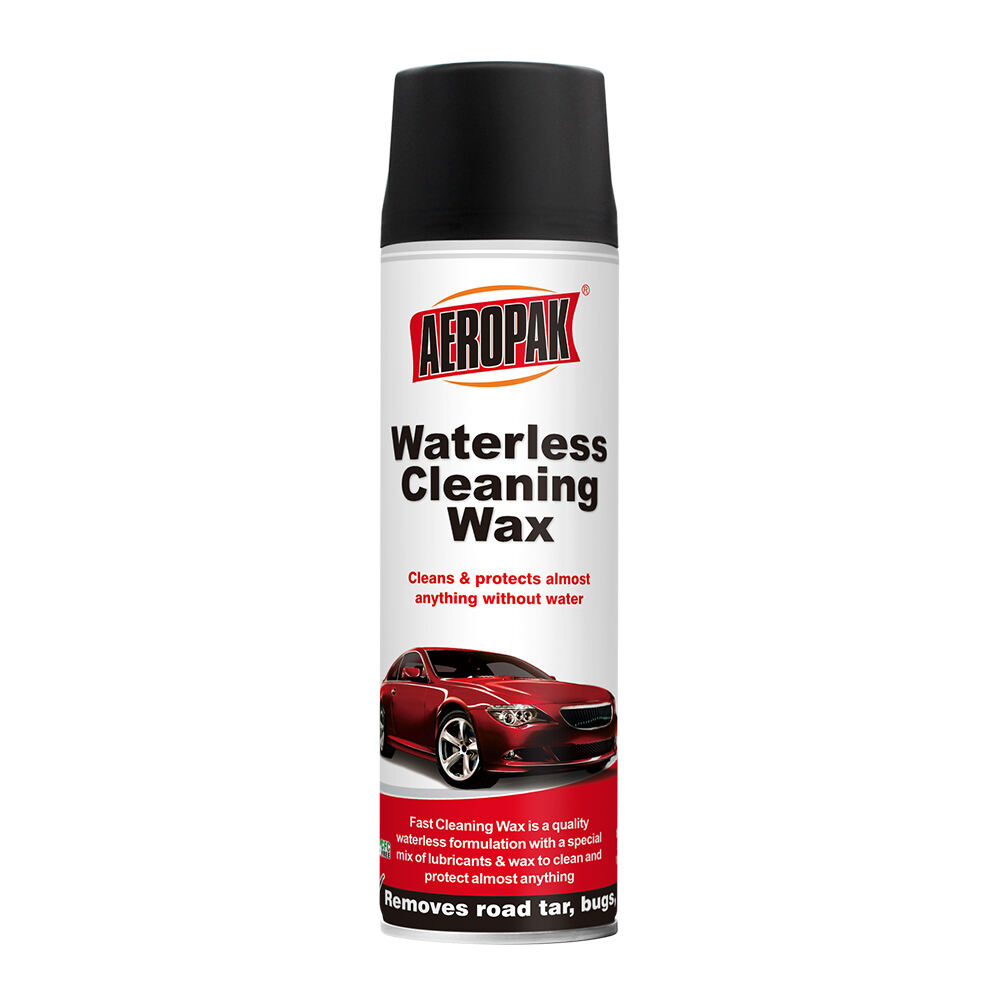
The development of waterless cleaning wax represents a significant breakthrough in commercial vehicle maintenance. These innovative formulations eliminate the need for traditional water-based washing while delivering exceptional cleaning and protection results. The technology relies on advanced emulsification processes that safely lift and encapsulate dirt particles, allowing for safe removal without scratching or surface damage.
Waterless cleaning systems offer particular advantages for businesses operating in water-restricted areas or seeking to minimize their environmental footprint. The elimination of runoff water reduces environmental impact while providing greater flexibility in cleaning locations and timing. This convenience factor is especially valuable for mobile service operations or businesses with limited access to traditional washing facilities.
Business Benefits of Premium Cleaning Investment
Brand Image and Customer Perception
The correlation between vehicle appearance and business reputation cannot be overstated in today's competitive marketplace. Companies investing in high-quality cleaning solutions demonstrate attention to detail and commitment to excellence that customers readily recognize. Clean, well-maintained vehicles serve as mobile advertisements, projecting professionalism and reliability that can influence purchasing decisions and customer loyalty.
Research consistently shows that consumers form rapid judgments about businesses based on visual cues, with vehicle condition ranking among the most influential factors. Companies utilizing premium cleaning products maintain consistently superior vehicle appearance, creating positive first impressions that translate to increased business opportunities and enhanced customer relationships. This investment in appearance standards pays dividends through improved market perception and competitive advantage.
Employee Productivity and Satisfaction
High-quality cleaning products often feature user-friendly formulations that simplify application procedures and reduce cleaning time requirements. This efficiency improvement allows employees to complete maintenance tasks more quickly, freeing time for revenue-generating activities. The reduced physical effort required with premium products also contributes to improved worker satisfaction and reduced fatigue during cleaning operations.
Professional-grade products typically produce more consistent results with less skill variation between different operators. This reliability reduces training requirements and minimizes the risk of poor cleaning outcomes that could reflect negatively on the business. Consistent results build employee confidence and pride in their work, contributing to overall job satisfaction and retention rates.
Environmental and Safety Considerations
Sustainable Business Practices
Environmental consciousness has become a significant factor in business decision-making, with many companies establishing sustainability goals that influence purchasing decisions. High-quality cleaning products often feature biodegradable formulations and reduced packaging waste, supporting corporate environmental initiatives. The water conservation benefits of advanced cleaning systems, particularly waterless cleaning wax formulations, align with broader water stewardship goals.
The reduced chemical usage associated with concentrated, high-performance products contributes to lower environmental impact through decreased manufacturing, transportation, and disposal requirements. These environmental benefits often translate to regulatory compliance advantages and may qualify businesses for environmental certifications or incentive programs that provide additional value.
Workplace Safety and Health Benefits
Premium cleaning products typically undergo more rigorous safety testing and often feature improved safety profiles compared to basic alternatives. Reduced exposure to harsh chemicals protects employee health while minimizing workplace safety risks and associated liability concerns. Many high-quality formulations eliminate or reduce volatile organic compounds that can contribute to indoor air quality issues.
The improved handling characteristics of quality products, including better viscosity control and reduced splashing, contribute to safer application procedures. These safety improvements reduce the risk of workplace accidents and injuries, potentially lowering insurance costs and workers' compensation claims while demonstrating the company's commitment to employee welfare.
Implementation Strategies for Commercial Applications
Product Selection and Integration
Successful implementation of premium cleaning solutions requires careful product selection based on specific operational requirements and vehicle types. Different applications may require specialized formulations, such as products designed for specific paint types, surface materials, or environmental conditions. Businesses should evaluate their unique needs and select products that optimize performance for their particular circumstances.
Integration of new cleaning products into existing operations requires consideration of equipment compatibility, storage requirements, and staff training needs. Companies should develop comprehensive implementation plans that address these factors while minimizing disruption to ongoing operations. Proper planning ensures smooth transitions and maximizes the benefits of premium product investments.
Training and Quality Control
Employee training plays a crucial role in maximizing the benefits of high-quality cleaning products. Proper application techniques ensure optimal results while preventing product waste and potential surface damage. Training programs should cover product handling, application procedures, safety protocols, and quality standards to ensure consistent performance across all operators.
Quality control systems help maintain consistent cleaning standards and identify opportunities for process improvement. Regular monitoring of cleaning results, product consumption rates, and customer feedback provides valuable data for optimizing cleaning procedures and product selection. These quality assurance measures ensure that investments in premium products deliver expected returns.
FAQ
What makes waterless cleaning products suitable for commercial vehicle fleets?
Waterless cleaning products offer significant advantages for commercial fleets, including water conservation, location flexibility, and time efficiency. These products eliminate the need for traditional washing facilities, allowing cleaning to occur at any location without water access. The time savings and reduced labor requirements make waterless cleaning wax particularly valuable for large fleet operations where efficiency directly impacts operational costs.
How do high-quality cleaning products contribute to vehicle longevity?
Premium cleaning products typically contain protective agents that help preserve vehicle surfaces and prevent premature wear. These formulations create protective barriers that resist environmental contaminants, UV damage, and oxidation. Regular use of quality products helps maintain paint condition, reduces rust formation, and extends the intervals between major maintenance procedures, ultimately extending vehicle service life and resale value.
What should businesses consider when evaluating cleaning product ROI?
Return on investment calculations should include direct product costs, labor time savings, reduced water and utility expenses, and long-term maintenance cost reductions. Businesses should also consider intangible benefits such as improved brand image, customer satisfaction, and employee productivity. The total cost of ownership approach provides a more accurate assessment of product value than simple per-unit pricing comparisons.
Are waterless cleaning systems suitable for heavily soiled vehicles?
Modern waterless cleaning wax formulations can effectively handle moderate to heavy soil conditions through advanced emulsification technology. However, extremely heavy contamination may require pre-treatment or traditional washing methods. Most commercial applications find waterless systems adequate for routine maintenance cleaning, with traditional methods reserved for exceptional circumstances or initial cleaning of heavily neglected vehicles.