EN
EN
Modern vehicles depend heavily on proper maintenance routines to ensure optimal performance and longevity. Among the various maintenance products available, engine degreaser stands out as a crucial component for preserving engine health and preventing costly repairs. Understanding how these specialized cleaning products impact vehicle reliability can help car owners make informed decisions about their maintenance schedules and product choices.
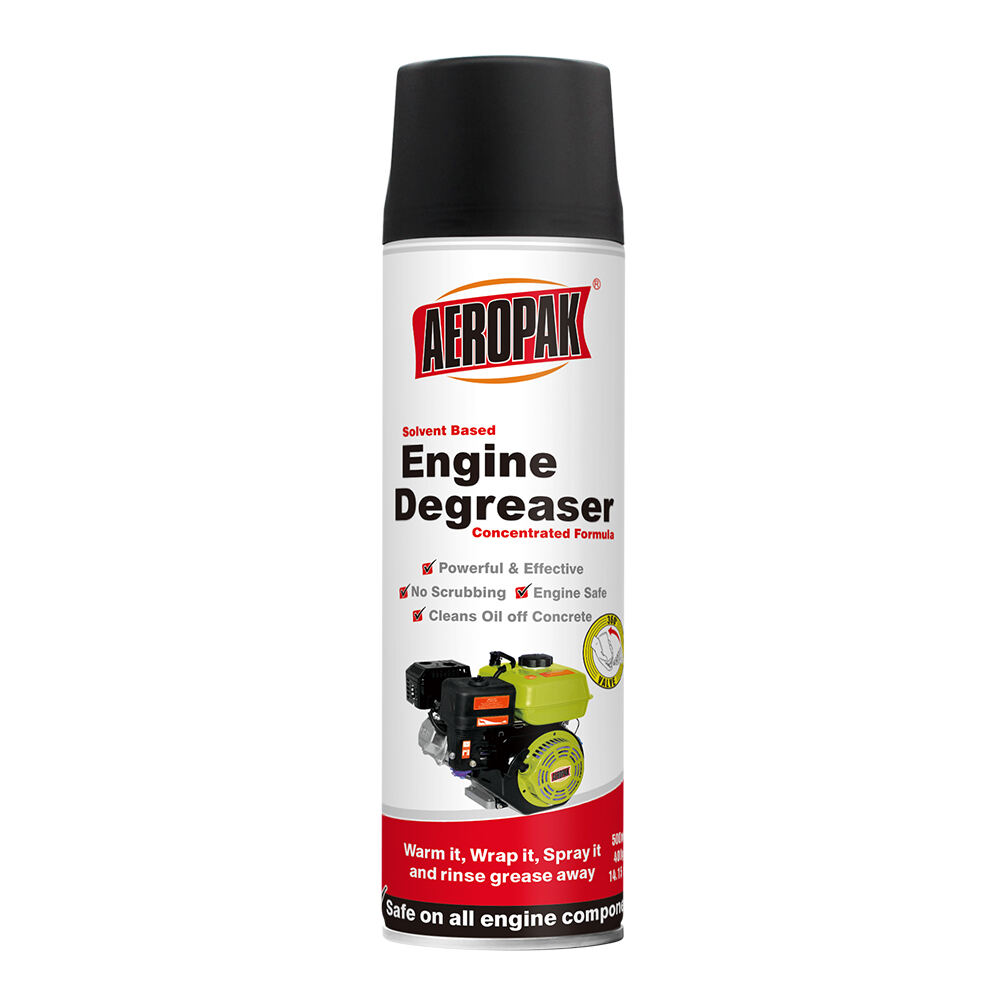
The relationship between automotive cleaning products and vehicle reliability extends far beyond surface-level aesthetics. When engine components accumulate grease, oil, and debris over time, these contaminants can interfere with proper heat dissipation, cause premature wear of moving parts, and create conditions that lead to mechanical failures. Regular use of quality engine degreaser helps maintain the cleanliness necessary for optimal engine operation and extends the service life of critical components.
Impact of Engine Cleanliness on Vehicle Performance
Heat Management and Temperature Control
Engine compartments generate significant amounts of heat during operation, and proper thermal management is essential for reliable performance. When grease and oil residue accumulate on engine surfaces, they act as insulating layers that prevent efficient heat dissipation. This thermal buildup can lead to overheating conditions that stress engine components beyond their design limits. Using an effective engine degreaser removes these insulating contaminants and restores proper heat transfer capabilities.
Clean engine surfaces also allow for better airflow around critical components such as radiators, cooling fans, and heat exchangers. This improved air circulation contributes to more stable operating temperatures and reduces the likelihood of temperature-related failures. Regular degreasing maintenance ensures that cooling systems can function at their intended efficiency levels throughout the vehicle's service life.
Component Accessibility and Inspection
Maintaining a clean engine bay significantly improves the ability to perform routine inspections and identify potential problems before they become major failures. When engine surfaces are covered with layers of grease and grime, it becomes difficult to spot fluid leaks, worn components, or developing cracks in hoses and gaskets. A thorough cleaning with engine degreaser creates the visibility needed for effective preventive maintenance programs.
Professional mechanics and DIY enthusiasts alike benefit from clean engine compartments when performing diagnostic procedures or routine service work. Clear visibility of component markings, wiring harnesses, and connection points reduces the risk of errors during maintenance operations and ensures that service procedures are completed correctly. This improved accessibility directly contributes to better maintenance quality and enhanced vehicle reliability.
Chemical Composition and Effectiveness Factors
Solvent-Based Formulations
The effectiveness of engine degreaser products largely depends on their chemical composition and formulation strategy. Solvent-based degreasers utilize powerful chemical agents that can dissolve heavy grease deposits and penetrate stubborn oil buildup that has hardened over time. These formulations are particularly effective for addressing severe contamination scenarios where water-based products might prove insufficient.
Advanced solvent formulations in modern engine degreaser products incorporate specialized additives that enhance cleaning power while minimizing potential damage to sensitive engine components. These carefully balanced formulations can effectively remove contaminants without compromising rubber seals, painted surfaces, or electronic components that are common in contemporary engine designs.
Application Methods and Safety Considerations
Proper application techniques significantly influence the effectiveness of engine degreaser products and their contribution to long-term vehicle reliability. The most effective cleaning results are achieved when products are applied to warm engine surfaces, allowing the chemical agents to penetrate and dissolve accumulated contaminants more efficiently. However, safety considerations require that engines be turned off and allowed to cool to safe handling temperatures before application begins.
Professional-grade engine degreaser formulations often include specific instructions for contact time, dilution ratios, and rinsing procedures that optimize cleaning effectiveness while protecting sensitive components. Following manufacturer recommendations ensures that the cleaning process contributes positively to vehicle reliability rather than creating new problems through improper chemical exposure or residue buildup.
Long-Term Benefits of Regular Engine Maintenance
Prevention of Corrosion and Component Degradation
Regular use of engine degreaser as part of comprehensive maintenance programs helps prevent the accumulation of corrosive substances that can damage metal components over time. Road salt, industrial pollutants, and acidic combustion byproducts can create corrosive conditions when allowed to remain in contact with engine surfaces for extended periods. Systematic cleaning removes these potentially harmful substances before they can cause permanent damage.
The protective benefits of regular degreasing extend to electrical components and wiring harnesses that are vulnerable to corrosion-induced failures. Clean connections maintain better electrical conductivity and reduce the risk of intermittent problems that can be difficult to diagnose and repair. This electrical system protection is particularly important in modern vehicles that rely heavily on electronic controls for engine management and performance optimization.
Cost-Effectiveness and Value Preservation
Implementing regular engine degreaser maintenance routines provides significant cost advantages compared to reactive repair strategies. The relatively modest investment in quality cleaning products and routine maintenance time can prevent expensive component replacements and major overhaul procedures that result from neglected engine cleanliness. This proactive approach to vehicle care delivers substantial long-term savings for both individual owners and fleet operators.
Vehicle resale values also benefit from consistent maintenance practices that include regular engine cleaning. Well-maintained engine compartments create positive impressions during inspections and demonstrate the owner's commitment to proper vehicle care. This attention to detail can translate into higher resale prices and faster sale transactions when the time comes to upgrade or replace the vehicle.
Environmental Considerations and Product Selection
Eco-Friendly Formulation Options
Modern engine degreaser products increasingly incorporate environmentally responsible formulations that maintain cleaning effectiveness while minimizing ecological impact. Biodegradable ingredients and low-toxicity solvents provide effective cleaning power without contributing to environmental contamination when products are used according to manufacturer guidelines. These advanced formulations represent the evolution of automotive maintenance products toward more sustainable practices.
Water-based engine degreaser alternatives offer reduced environmental impact for applications where heavy-duty solvent power is not required. These products work effectively for routine maintenance cleaning and provide safer handling characteristics for DIY enthusiasts who perform their own vehicle maintenance. The choice between solvent-based and water-based formulations should be based on specific cleaning requirements and environmental considerations.
Proper Disposal and Waste Management
Responsible use of engine degreaser products includes proper disposal procedures for used cleaning materials and contaminated runoff. Many jurisdictions have specific regulations governing the disposal of automotive chemicals and cleaning products, making it essential for users to understand local requirements. Proper waste management practices ensure that the benefits of engine cleaning do not come at the expense of environmental quality.
Professional service facilities typically have established procedures for handling and disposing of engine degreaser waste products in compliance with environmental regulations. DIY maintenance practitioners should research local disposal options and follow recommended procedures to ensure that their vehicle maintenance activities contribute positively to both vehicle reliability and environmental protection.
Integration with Comprehensive Maintenance Programs
Scheduled Maintenance Intervals
The most effective approach to engine cleaning involves integrating engine degreaser applications into regularly scheduled maintenance intervals rather than waiting for visible contamination to accumulate. Professional maintenance programs typically recommend engine cleaning services at specific mileage intervals or time periods, depending on operating conditions and environmental factors. This systematic approach ensures consistent cleanliness levels and prevents the buildup of problematic contaminants.
Vehicles operating in harsh environments such as construction sites, marine locations, or areas with high industrial pollution may require more frequent engine degreaser treatments to maintain optimal cleanliness levels. Adjusting maintenance intervals based on actual operating conditions helps optimize the balance between maintenance costs and vehicle reliability outcomes.
Coordination with Other Service Procedures
Engine cleaning procedures using quality engine degreaser products can be efficiently coordinated with other routine maintenance services such as oil changes, filter replacements, and cooling system services. This coordination maximizes the efficiency of maintenance time and ensures that cleaning procedures do not interfere with other necessary service work. Combining services also provides opportunities for comprehensive inspections that might identify developing problems.
Professional service providers often offer package deals that include engine cleaning as part of comprehensive maintenance services, providing cost advantages for vehicle owners who prefer to have all maintenance work performed by qualified technicians. These integrated service approaches ensure that engine degreaser applications are performed correctly and coordinated with other maintenance requirements for optimal results.
FAQ
How often should engine degreaser be used for optimal vehicle reliability
The frequency of engine degreaser application depends on operating conditions and environmental factors. For most passenger vehicles under normal operating conditions, engine cleaning every 12 to 18 months provides adequate protection against contamination buildup. Vehicles operating in harsh environments such as construction zones, coastal areas, or industrial settings may benefit from more frequent cleaning intervals of 6 to 12 months. Commercial vehicles and heavy-duty applications often require quarterly engine cleaning to maintain optimal performance and reliability.
Can engine degreaser damage sensitive electronic components in modern vehicles
Quality engine degreaser products formulated for modern vehicles are designed to be safe for use around electronic components when applied according to manufacturer instructions. However, direct spray application to sensitive areas such as electronic control modules, exposed wiring connections, and sensors should be avoided. Professional application techniques include covering sensitive components during cleaning and using targeted application methods that focus on contaminated areas while protecting vulnerable electronics.
What are the signs that indicate a vehicle needs engine degreaser treatment
Several indicators suggest that an engine would benefit from degreaser treatment, including visible accumulation of grease and oil on engine surfaces, difficulty identifying component markings or fluid leak sources, unusual odors from the engine compartment during operation, and elevated operating temperatures that may result from impaired heat dissipation. Additionally, if routine maintenance procedures become more difficult due to contamination buildup, it is typically time for thorough engine cleaning with appropriate degreaser products.
Are there specific engine degreaser products recommended for different vehicle types
Different vehicle applications may benefit from specific engine degreaser formulations based on their operating requirements and component materials. Heavy-duty commercial vehicles often require stronger solvent-based formulations to address severe contamination, while passenger cars may perform well with milder water-based alternatives. Classic vehicles with older paint and rubber components may need specially formulated products that provide effective cleaning without damaging vintage materials. Consulting with professional service providers or product manufacturers can help identify the most appropriate degreaser formulation for specific vehicle applications.
Table of Contents
- Impact of Engine Cleanliness on Vehicle Performance
- Chemical Composition and Effectiveness Factors
- Long-Term Benefits of Regular Engine Maintenance
- Environmental Considerations and Product Selection
- Integration with Comprehensive Maintenance Programs
-
FAQ
- How often should engine degreaser be used for optimal vehicle reliability
- Can engine degreaser damage sensitive electronic components in modern vehicles
- What are the signs that indicate a vehicle needs engine degreaser treatment
- Are there specific engine degreaser products recommended for different vehicle types