EN
EN
Modern vehicles rely on precise engine management systems to deliver optimal performance, fuel efficiency, and emissions control. Over time, carbon deposits, dirt, and contaminants accumulate in critical engine components, leading to reduced performance and increased maintenance costs. Understanding how high-quality automotive cleaning products can restore and maintain engine performance is essential for vehicle owners and automotive professionals seeking reliable solutions for common engine problems.
Understanding Engine Contamination and Performance Impact
Carbon Deposit Formation in Modern Engines
Carbon deposits form naturally during the combustion process as fuel and air mixtures create byproducts that adhere to engine surfaces. These deposits particularly affect throttle bodies, intake valves, and fuel injection systems where precise airflow and fuel delivery are critical. Modern direct injection engines are especially susceptible to carbon buildup due to the absence of fuel washing over intake valves. The accumulation of these deposits restricts airflow, disrupts fuel atomization, and creates rough idle conditions that compromise overall engine performance.
The thermal cycling of engines exacerbates deposit formation as repeated heating and cooling creates hardened carbon layers that standard driving conditions cannot remove. These deposits act as insulation, affecting heat transfer and creating hot spots that can lead to pre-ignition or knock conditions. Professional-grade cleaning products designed specifically for engine components can effectively dissolve these deposits without damaging sensitive surfaces or seals.
Fuel System Contamination Challenges
Fuel systems face multiple contamination sources including water absorption, fuel degradation, and injector fouling. Water contamination occurs naturally through condensation in fuel tanks and can promote microbial growth that creates acidic byproducts damaging to fuel system components. Poor-quality fuel containing excessive sulfur or aromatic compounds accelerates deposit formation and can cause injector clogging that affects fuel spray patterns and combustion efficiency.
Ethanol-blended fuels present additional challenges as ethanol's hygroscopic nature attracts moisture and can dissolve certain rubber compounds in older fuel systems. Regular maintenance using appropriate cleaning products helps prevent these contamination issues and maintains fuel system integrity. High-quality automotive cleaners contain corrosion inhibitors and detergents that protect fuel system components while removing existing deposits.
Professional-Grade Cleaning Solutions for Optimal Performance
Advanced Formulation Technologies
Professional automotive cleaning products utilize advanced chemical formulations designed to target specific types of contamination while protecting sensitive engine components. These formulations typically combine powerful solvents with corrosion inhibitors, detergents, and lubricating agents to provide comprehensive cleaning action. The most effective products use proprietary solvent blends that can dissolve both hydrocarbon-based deposits and oxidized fuel residues without attacking rubber seals, plastic components, or metal surfaces.
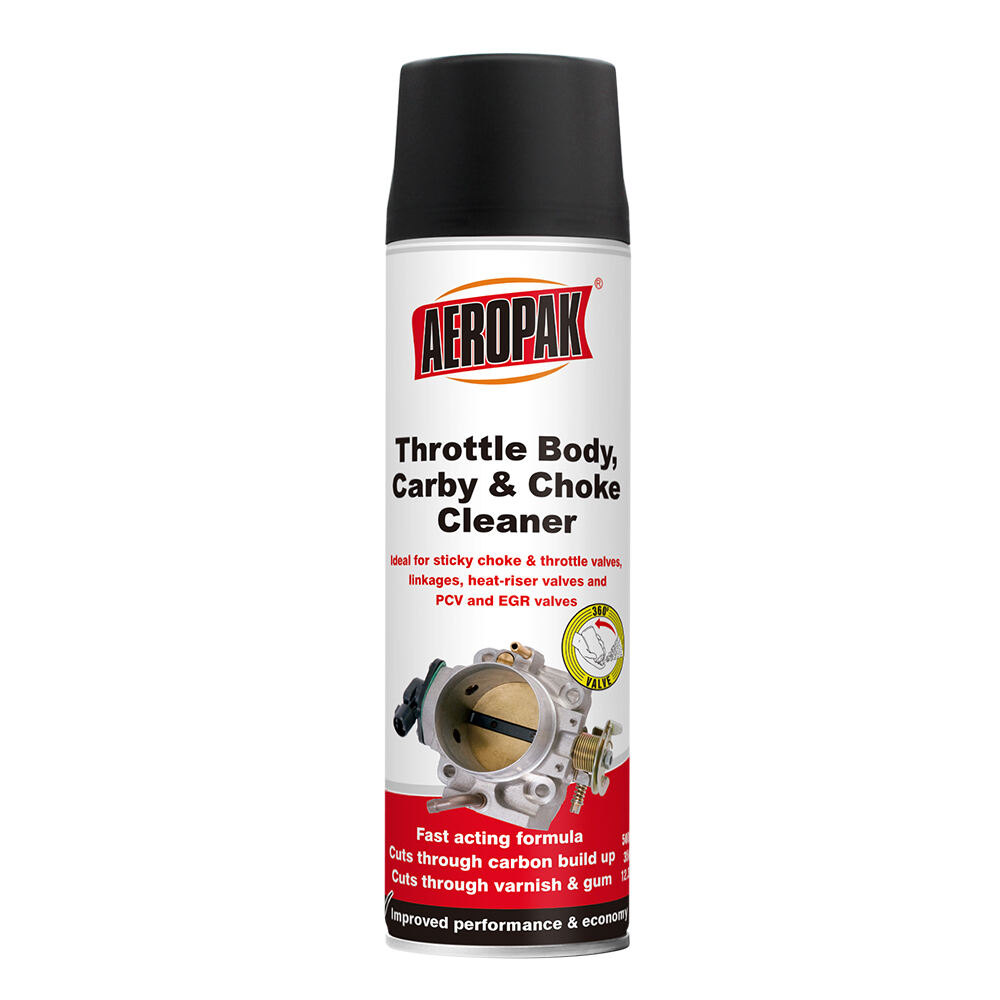
Quality throttle body cleaner products incorporate fast-evaporating solvents that leave no residue after cleaning, ensuring that electronic sensors and precision-machined surfaces remain uncontaminated. These formulations often include anti-static agents to prevent dust attraction and may contain specialized additives that condition rubber seals and gaskets to prevent drying and cracking during the cleaning process.
Application Methods and Best Practices
Proper application techniques are crucial for achieving optimal cleaning results while preventing damage to sensitive components. Professional technicians follow specific protocols that include engine temperature considerations, component disassembly procedures, and safety precautions for handling chemical cleaning agents. The most effective cleaning procedures involve removing air intake components to access throttle bodies and intake manifolds directly, allowing for thorough cleaning of all surfaces.
Temperature management during cleaning is critical as cold engines may not allow proper solvent penetration while excessively hot surfaces can cause rapid evaporation before cleaning action occurs. Professional-grade products are formulated to work effectively across a range of temperatures and include instructions for optimal application timing. Many high-quality cleaners are designed for spray application that allows precise targeting of contaminated areas without oversaturating surrounding components.
Performance Benefits and Measurable Improvements
Engine Response and Power Output Enhancement
Regular use of high-quality cleaning products produces measurable improvements in engine performance parameters including throttle response, power output, and fuel efficiency. Clean throttle bodies allow precise airflow control that improves engine management system accuracy and reduces compensation requirements that can affect performance. Dyno testing consistently shows power gains of 3-8% following professional intake system cleaning on engines with significant deposit accumulation.
Improved throttle response is often the first noticeable benefit as cleaned throttle plates eliminate binding and allow smooth airflow transitions during acceleration. This enhanced response translates to better drivability, smoother idle quality, and more predictable engine behavior under varying load conditions. The restoration of proper airflow also allows fuel injection systems to operate within design parameters, improving combustion efficiency and reducing emissions.
Long-Term Reliability and Maintenance Cost Reduction
Preventive cleaning maintenance using quality automotive products extends component service life and reduces the likelihood of expensive repairs related to fuel system or intake contamination. Clean fuel injectors maintain proper spray patterns longer, reducing the need for replacement or professional cleaning services. Similarly, maintaining clean throttle bodies prevents the development of carbon buildup that can cause throttle plate binding or sensor contamination.
The cost-effectiveness of regular cleaning maintenance becomes apparent when compared to major component replacement or professional service costs. A comprehensive cleaning program using appropriate products can prevent issues such as intake valve carbon accumulation, fuel injector failure, and throttle body replacement. Professional fleet operators report maintenance cost reductions of 15-25% when implementing regular cleaning protocols using high-quality automotive cleaning products.
Selecting Quality Products for Specific Applications
Compatibility and Safety Considerations
Choosing appropriate cleaning products requires understanding vehicle-specific requirements and component materials to ensure compatibility and prevent damage. Modern vehicles incorporate various plastic and rubber compounds that may react adversely to aggressive solvents or incompatible chemical formulations. Quality manufacturers provide detailed compatibility information and conduct extensive testing to ensure their products work safely across a wide range of vehicle makes and models.
Safety considerations extend beyond component compatibility to include proper ventilation requirements, personal protective equipment needs, and environmental disposal protocols. Professional-grade products typically include comprehensive safety data sheets and application guidelines that help users achieve optimal results while maintaining safety standards. Many quality products are formulated to minimize volatile organic compound emissions while maintaining effective cleaning performance.
Performance Validation and Quality Assurance
Reputable automotive cleaning product manufacturers invest in extensive research and development to validate product performance claims and ensure consistent quality. Independent laboratory testing, field trials, and performance validation studies provide objective evidence of cleaning effectiveness and safety. Quality products often carry certifications from automotive industry organizations and may be approved by vehicle manufacturers for warranty-compliant maintenance.
Quality assurance protocols ensure that each product batch meets established performance standards and maintains consistent formulation properties. Advanced manufacturing facilities employ quality control measures including raw material testing, in-process monitoring, and finished product validation to guarantee reliable performance. These quality standards are particularly important for professional applications where consistent results are essential for customer satisfaction and business reputation.
FAQ
How often should throttle body cleaning be performed
Throttle body cleaning frequency depends on driving conditions, fuel quality, and vehicle age, but generally should be performed every 15,000 to 30,000 miles. Vehicles operating in dusty environments or using lower-quality fuels may require more frequent cleaning. Signs indicating cleaning needs include rough idle, reduced throttle response, or check engine lights related to airflow sensors.
Can throttle body cleaners damage electronic sensors
High-quality throttle body cleaners are specifically formulated to be safe for electronic sensors and components when used according to manufacturer instructions. These products use fast-evaporating solvents that leave no residue and include anti-static agents to protect sensitive electronics. Always ensure the product is designed for use on electronic components and follow proper application procedures.
What is the difference between carburetor and throttle body cleaners
While both products remove carbon deposits and fuel residues, throttle body cleaners are specifically formulated for modern fuel injection systems with electronic sensors and precision-machined components. Carburetor cleaners may contain more aggressive solvents suitable for older, less sensitive components. Using the appropriate product ensures optimal cleaning without damaging modern engine management systems.
How can I verify the effectiveness of cleaning products
Product effectiveness can be verified through measurable improvements in idle quality, throttle response, and fuel economy following proper application. Many vehicles show immediate improvements in engine smoothness and responsiveness. Professional diagnostics can measure airflow parameters and fuel trim values to quantify cleaning effectiveness objectively.