EN
EN
Maintaining a clean vehicle interior is far more than an aesthetic concern — it directly impacts driver well-being, passenger comfort, and the long-term value of any automobile. Interior cleaning products have evolved significantly over the years, offering targeted formulations that address dust accumulation, microbial growth, odor retention, and surface degradation all at once. Whether you manage a commercial fleet, run an automotive detailing business, or simply take pride in your personal vehicle, understanding how these products work can help you make smarter choices and achieve consistently better results.
The vehicle cabin is an enclosed environment that traps pollutants, allergens, moisture, and bacteria with remarkable efficiency. Without the regular application of quality interior cleaning products, surfaces degrade faster, air quality diminishes, and occupants are exposed to harmful contaminants. This guide explores how purpose-designed interior cleaning products enhance both hygiene and comfort, walking through their mechanisms, application logic, surface-specific benefits, and the practical value they deliver for everyday drivers and professional operators alike.
Understanding What Interior Cleaning Products Actually Do
Beyond Surface Appearance
Many vehicle owners assume that interior cleaning products are primarily cosmetic — designed to make surfaces look shiny and new. In reality, their function goes much deeper. High-quality formulations are engineered to break down oily residues, neutralize odor-causing compounds, eliminate static charge that attracts dust, and restore protective layers on plastic, vinyl, leather, and fabric surfaces.
When interior cleaning products remove built-up grime from a dashboard or door panel, they are also removing a breeding ground for bacteria and mold spores. Surfaces that appear dull and dry are often cracked at a microscopic level, allowing contaminants to penetrate more deeply over time. By cleaning and conditioning simultaneously, modern formulations interrupt this degradation cycle before it becomes irreversible.
The chemical action of interior cleaning products typically involves surfactants that lift particles from surfaces, solvents that dissolve hydrocarbon-based soils, and conditioning agents that replenish the surface after cleaning. This three-phase process is what differentiates professional-grade products from basic wipes or household sprays.
The Hygiene Function in Enclosed Cabin Environments
A vehicle cabin is one of the most hygienically challenging enclosed spaces a person inhabits daily. According to microbiological research, steering wheels can harbor more bacteria than a typical public restroom surface. Interior cleaning products formulated with antimicrobial agents directly address this risk, reducing microbial loads on high-touch zones including gear shifters, door handles, seat buckles, and touch screens.
Beyond bacteria, vehicle interiors accumulate allergens such as dust mites, pet dander, and pollen — all of which settle into upholstery and carpet fibers. Interior cleaning products designed for fabric and soft surfaces help extract and neutralize these particles, improving air quality within the cabin. For families with young children or passengers with respiratory sensitivities, this hygiene benefit is not merely a convenience — it is a health necessity.
Regular use of interior cleaning products also prevents the formation of mold in areas prone to moisture exposure, such as floor mats, seat seams, and air vent surrounds. Left untreated, mold colonies produce mycotoxins that degrade air quality and can cause persistent health issues for regular occupants.
How Interior Cleaning Products Improve Comfort
Odor Elimination and Air Quality Enhancement
One of the most immediately perceptible ways interior cleaning products enhance comfort is through odor management. Unpleasant smells in a vehicle often originate from embedded organic matter — food residue, sweat, smoke, and biological spillage. Standard air fresheners mask these odors temporarily, but do nothing to address the source. Interior cleaning products, by contrast, dissolve and remove the underlying organic compounds, providing lasting odor elimination rather than temporary fragrance coverage.
Enzyme-based interior cleaning products are particularly effective in this role. Enzymatic formulations break down protein-based odor sources at a molecular level, preventing them from regenerating even after the product has dried. This approach is especially valuable in commercial vehicles, taxis, and rideshare cars where odor buildup occurs rapidly due to high occupant turnover.
Air vent cleaning is another area where interior cleaning products deliver measurable comfort benefits. Vents accumulate dust, mold, and bacterial biofilm that circulate throughout the cabin every time the ventilation system operates. Foam-based or spray interior cleaning products designed for vents can penetrate the slats and fins to dislodge these deposits, substantially improving the quality of air circulated within the vehicle.
Surface Condition and Tactile Experience
The tactile quality of a vehicle's interior surfaces contributes meaningfully to driver and passenger comfort. Sticky, grimy, or cracked surfaces create an unpleasant experience regardless of how well the mechanical components perform. Interior cleaning products restore surfaces to a condition that feels appropriate for the vehicle's quality level — smooth, non-tacky, and properly finished.
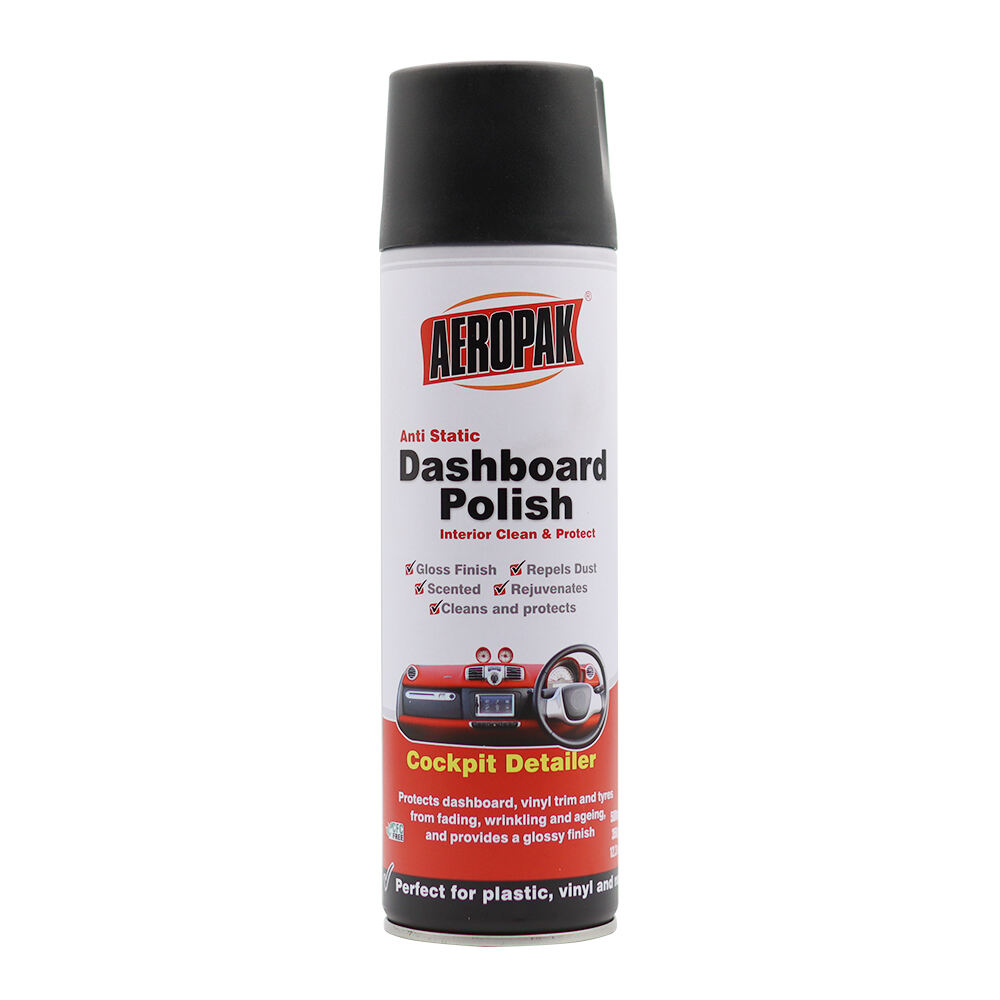
Dashboard and trim cleaning formulations, such as a quality interior cleaning products spray that combines anti-static protection with polish, are designed to leave surfaces with a natural, matte-to-satin finish rather than an artificial gloss that causes distracting reflections on the windscreen. This balance between cleanliness, protection, and visual comfort is an important design consideration in premium interior care formulations.
Leather seat treatments within the broader category of interior cleaning products also contribute to comfort. Leather that is cleaned and conditioned regularly remains supple and flexible, reducing the discomfort associated with stiff or cracked seating surfaces. Properly maintained leather also regulates temperature more effectively, staying cooler in summer and warmer in winter compared to dried-out, poorly maintained hides.
Surface-Specific Applications and Product Selection
Hard Surfaces: Dashboards, Consoles, and Trim
Hard plastic and vinyl surfaces are among the most chemically active zones in any vehicle interior. They are continuously exposed to UV radiation through the windscreen, hand contact, dust, and the outgassing of plasticizers within the materials themselves. Interior cleaning products designed for hard surfaces typically incorporate UV inhibitors, anti-static compounds, and conditioning polymers that slow the oxidation and brittleness that leads to cracking.
Anti-static properties are particularly significant for dashboard care. Static charge on plastic surfaces acts like a magnet for airborne dust particles, causing rapid re-soiling after cleaning. Interior cleaning products that neutralize static charge maintain cleanliness significantly longer between applications, reducing the frequency of cleaning required and providing a more consistent finish over time.
When selecting interior cleaning products for hard surfaces, the formulation should be compatible with modern coated displays and instrument clusters. Some solvent-based products can damage oleophobic screen coatings or cause hazing on polycarbonate lens covers. Purpose-designed interior cleaning products use carefully balanced pH levels and film-forming agents that clean without stripping functional surface coatings.
Soft Surfaces: Upholstery, Carpets, and Headliners
Soft surfaces require a fundamentally different approach from hard surface care. Interior cleaning products designed for upholstery and carpet must penetrate fiber structures to lift embedded soils without over-saturating the material, which can cause shrinkage, color loss, or the development of mold beneath the surface. Foam-based formulations excel here because they provide controlled moisture application and mechanical lift through foam expansion.
Headliner cleaning is one of the more delicate applications for interior cleaning products. The headliner substrate is typically a compressed fiber board with a thin fabric or foam-backed covering adhered by heat-sensitive glue. Excessive liquid from poorly chosen interior cleaning products can dissolve this adhesive, causing the headliner to sag. Spray-and-wipe formulations with low moisture content are specifically engineered to clean headliners effectively without compromising structural integrity.
Fabric protection treatments — often used as a follow-up step after cleaning — fall within the broader category of interior cleaning products and create a hydrophobic barrier on fiber surfaces. This barrier causes liquid spills to bead on the surface rather than penetrate into fibers, dramatically reducing the difficulty of cleanup and preventing the staining that comes with delayed treatment of spills.
Long-Term Value: How Interior Cleaning Products Protect Your Investment
Preventing Premature Aging of Interior Components
Vehicle interiors represent a substantial portion of a car's perceived and resale value. Buyers inspecting a used vehicle form strong impressions based on interior condition — cracked dashboards, stained seats, and persistent odors significantly reduce the price a seller can command. Regular use of interior cleaning products is one of the most cost-effective ways to protect and preserve this value over the ownership period.
The chemistry of interior cleaning products designed for protective purposes works by forming a molecular barrier between the surface material and environmental stressors including UV light, heat, ozone, and oxidizing agents in the air. This barrier slows the breakdown of plasticizers in vinyl and plastic, retards the drying and cracking of leather, and prevents the fiber degradation in fabric that leads to premature wear and color fading.
From a fleet management perspective, the consistent application of interior cleaning products across a vehicle pool extends the service life of interiors, reduces reconditioning costs at the end of vehicle cycles, and contributes to a professional brand image when vehicles are used for client transport. The ROI of a disciplined interior maintenance program using quality interior cleaning products is readily demonstrable through lower refurbishment expenditure and improved residual values.
Supporting Driver Focus and Reducing Fatigue
The psychological dimension of vehicle cleanliness should not be underestimated. Research in environmental psychology consistently shows that cluttered, dirty, and odorous environments increase cognitive load and emotional stress. Interior cleaning products that maintain a clean, fresh cabin environment directly support driver focus, reduce irritability on long journeys, and contribute to safer driving behavior.
Clean, glare-free interior surfaces also contribute to driving safety in practical ways. A dusty or smeared dashboard reflects light onto the windscreen, creating visual interference that reduces visibility in bright conditions. Interior cleaning products with anti-glare formulations that leave a matte, dust-repelling finish directly address this safety concern while also enhancing the aesthetic quality of the cabin environment.
For professional drivers and commercial fleet operators, the cumulative effect of using interior cleaning products consistently translates into a more comfortable working environment over the course of a shift or a journey. Driver fatigue is influenced by environmental comfort — temperature, air quality, smell, and surface condition all play roles. Interior cleaning products that optimize these environmental variables contribute meaningfully to driver performance and well-being.
FAQ
How often should interior cleaning products be applied to maintain hygiene?
The appropriate frequency depends on usage intensity. For personal vehicles used daily, a thorough application of interior cleaning products every four to six weeks is generally sufficient to maintain hygiene and surface condition. High-use commercial vehicles, rideshare cars, or taxis may require weekly treatment of high-touch surfaces and monthly deep cleaning of soft surfaces. Anti-static and UV-protective formulations last longer and may only need reapplication every two to three months for hard surfaces.
Can interior cleaning products be used on all surface types inside a vehicle?
No single product is appropriate for every surface. Interior cleaning products are formulated for specific material types — hard plastics and vinyl require different chemistry than leather, fabric, or glass. Using an incorrect product can cause staining, surface dulling, or material damage. Always verify product compatibility with the target surface before application, and use specialized formulations for sensitive areas such as touchscreens, genuine leather, and headliners.
Are interior cleaning products effective against bacteria and allergens?
Yes, provided the product is specifically formulated with antimicrobial or allergen-reducing agents. General-purpose interior cleaning products reduce microbial loads by physically removing contaminated organic matter from surfaces. Products with added antimicrobial compounds provide an additional layer of protection by inhibiting bacterial regrowth between cleaning cycles. For allergen management, interior cleaning products designed for fabric surfaces are most effective when used in combination with thorough vacuuming to remove loosened particles from the cabin.
What makes anti-static interior cleaning products particularly beneficial for dashboards?
Static charge on plastic dashboard surfaces creates an electrostatic attraction for airborne dust, causing surfaces to re-soil rapidly after cleaning. Anti-static interior cleaning products deposit a film that dissipates this charge, significantly slowing the rate of dust reaccumulation. This means surfaces stay cleaner for longer after each application, reducing cleaning frequency and providing a more consistently maintained appearance. Anti-static protection also reduces the attraction of fine particulate matter that can affect air quality within the cabin.
Table of Contents
- Understanding What Interior Cleaning Products Actually Do
- How Interior Cleaning Products Improve Comfort
- Surface-Specific Applications and Product Selection
- Long-Term Value: How Interior Cleaning Products Protect Your Investment
-
FAQ
- How often should interior cleaning products be applied to maintain hygiene?
- Can interior cleaning products be used on all surface types inside a vehicle?
- Are interior cleaning products effective against bacteria and allergens?
- What makes anti-static interior cleaning products particularly beneficial for dashboards?