EN
EN
When it comes to maintaining your vehicle's appearance and long-term value, the method you choose for car cleaning matters far more than most drivers realize. From traditional hand washing to waterless spray solutions, each technique interacts with your vehicle's paint, glass, plastic trim, and rubber seals in distinctly different ways. Understanding these interactions helps you avoid unintentional damage and ensures that every wash session protects rather than degrades your vehicle's surfaces.
The diversity of car cleaning methods available today reflects an evolving understanding of automotive surface care. Techniques that were once considered standard practice have been scrutinized and sometimes found to introduce micro-scratches, chemical degradation, or moisture damage over time. This article examines the most common car cleaning approaches, explains how each one physically and chemically interacts with different vehicle surfaces, and guides you toward methods that deliver a clean finish without compromising the integrity of your paintwork or protective coatings.
The Science Behind Vehicle Surface Vulnerability
How Paint Layers Respond to Mechanical Friction
Modern automotive paint systems consist of multiple layers — a primer coat, a base color coat, and a clear coat that sits on top as the primary protective barrier. This clear coat, while durable, is surprisingly susceptible to micro-abrasion from improper car cleaning methods. When abrasive materials such as dirty sponges, rough towels, or stiff brushes are dragged across the surface, they can introduce swirl marks and fine scratches that scatter light and dull the vehicle's finish over time.
The hardness of automotive clear coats varies by manufacturer and vehicle age. Older vehicles or those with softer formulations are particularly vulnerable during car cleaning operations. Even with adequate lubrication from soap and water, the act of applying pressure with a contaminated mitt or cloth can trap grit particles against the paint and drag them across the surface, acting like fine-grain sandpaper. This is why professional detailers invest heavily in paint decontamination and high-quality microfiber tools before any washing begins.
The long-term consequence of repeated mechanical friction in car cleaning is a gradual reduction in the glossiness and reflectivity of the paint. Under certain lighting conditions, a vehicle that has been washed frequently with abrasive techniques will display a web-like network of fine scratches visible across the entire panel. Correcting this damage requires machine polishing, which itself removes a measurable amount of clear coat thickness with each correction cycle.
Chemical Sensitivity Across Different Surface Materials
Vehicle surfaces are not uniform in their chemical tolerance. While painted metal panels may withstand a broad range of cleaning agents when properly diluted, rubber seals, plastic trim pieces, vinyl wraps, and convertible soft tops each have distinct sensitivities. Alkaline cleaning agents, for instance, can strip natural oils from rubber seals, causing them to dry out, crack, and eventually fail to provide an effective weather barrier. Acidic wheel cleaners that migrate onto painted surfaces during car cleaning can etch the clear coat if left to dwell for too long.
Plastic trim panels — particularly the matte or textured black pieces found around wheel arches and door bases — are porous in comparison to painted surfaces. Aggressive car cleaning solutions can strip the residual plasticizers from these components, causing them to fade to a chalky grey color. Once this chemical degradation begins, surface restoration requires specialized plastic restorers, and even then, results may not be permanent without a protective sealant application.
Glass surfaces present a different set of chemical considerations. Certain silicone-based products used in car cleaning routines can leave an invisible residue on windshields that causes smearing under wipers or reduces visibility in wet conditions. Conversely, alcohol-based cleaners that are excellent for glass can be harmful if they contact painted edges or rubber window seals nearby. Understanding the chemical profile of each surface is a prerequisite for choosing the right cleaning approach for each zone of the vehicle.
Traditional Hand Washing and Its Surface Implications
The Two-Bucket Method and Its Protective Logic
Traditional hand washing remains one of the most popular car cleaning methods, and when executed correctly, it can be remarkably gentle on vehicle surfaces. The two-bucket method — one bucket for clean soapy water and another for rinsing the wash mitt — is a fundamental technique designed to minimize the amount of dirt reintroduced to the paint surface. This approach significantly reduces the risk of dragging abrasive particles across the clear coat and is widely recommended by professional detailers as a baseline practice for safe car cleaning.
However, even the two-bucket method has limitations that relate directly to surface impact. Wash mitts that are not regularly cleaned or replaced can harbor residual grit embedded in their fibers. The physical pressure applied during hand washing, especially on heavily soiled vehicles, can push contaminants against the paint even with proper lubrication. Additionally, the process of rinsing and drying introduces its own risks — using the wrong drying towel or applying too much pressure while drying can introduce the same fine scratches that careful washing sought to prevent.
Pressure Washing Risks on Painted and Coated Surfaces
Pressure washing, when used as part of a car cleaning routine, delivers high-velocity water streams capable of removing heavy contamination quickly. At appropriate distances and nozzle angles, it can safely loosen road grime, insect residue, and loose dirt without physical contact. This pre-rinse stage is valuable precisely because it removes the heaviest abrasive particles before any touching occurs, reducing the risk of dragging grit across the paint.
The danger arises when pressure washing is applied too closely, at too high a pressure, or directed at vulnerable areas such as rubber seals, door jambs, trim edges, or paint that has begun to chip or peel. Water at high velocity can force moisture under paint edges, accelerating corrosion beneath the surface. On vehicles with ceramic coatings or paint protection film, aggressive pressure washing can compromise the adhesion of these protective layers if applied incorrectly. Responsible car cleaning with a pressure washer requires understanding the PSI limits appropriate for vehicle surfaces and maintaining safe standoff distances.
Waterless and Rinseless Car Cleaning Techniques
How Waterless Cleaning Products Interact with Paint
Waterless car cleaning products represent a significant evolution in vehicle surface care, formulated to lift and encapsulate dirt particles within a lubricating solution without the need for water rinsing. These products work through polymer-based surfactants that surround and suspend contaminant particles, allowing them to be safely wiped away with a microfiber cloth without dragging against the paint surface. When used correctly with high-quality microfiber towels and a folding technique that exposes a clean face with each wipe, the risk of introducing scratches is considerably reduced.
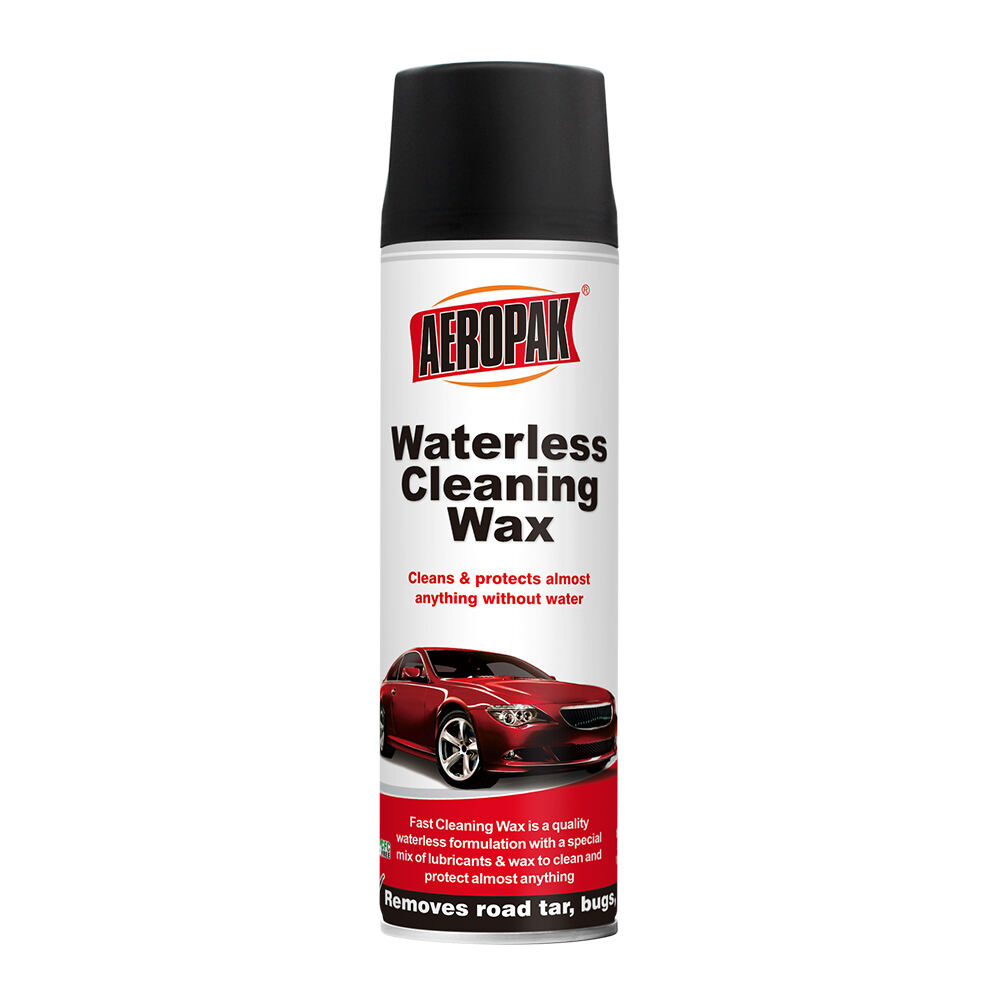
The key advantage of a well-formulated car cleaning wax spray is that it combines cleaning action with surface protection in a single step. The wax or sealant components deposit a thin protective layer on the paint as the product is wiped across the surface, leaving behind a hydrophobic barrier that repels water and makes subsequent cleaning easier. This dual function — cleaning and protecting simultaneously — is particularly valuable for light to moderate soiling on regularly maintained vehicles.
It is important to recognize that waterless car cleaning is most effective on vehicles with moderate contamination levels. Attempting to clean a heavily soiled vehicle with a waterless product requires more product, more towel changes, and greater care, as the volume of contaminants increases the risk of abrasion. For vehicles that have accumulated road salt, thick mud, or heavy industrial fallout, a pre-rinse or traditional wash cycle is advisable before transitioning to a waterless maintenance routine.
Rinseless Washing and Surface Contact Dynamics
Rinseless car cleaning methods occupy a middle ground between traditional hand washing and fully waterless techniques. A small amount of water is mixed with a concentrated rinseless wash product, creating a highly lubricating solution that is applied panel by panel with a soft sponge or microfiber pad. Because the solution is applied and wiped without a final rinse, the formulation must contain enough surfactant activity and lubrication to ensure that contaminants are safely removed without scratching.
The surface impact of rinseless car cleaning depends heavily on the quality of the product formulation and the technique used. Proper technique involves working on one panel at a time, using a clean section of the microfiber applicator for each pass, and following with a dry microfiber towel to buff the surface to a streak-free finish. This method uses significantly less water than conventional washing, making it an attractive option for areas with water restrictions or for indoor and garage-based car cleaning sessions.
Automatic Car Washes and Their Surface Effects
Brush-Based Automatic Washes and Paint Abrasion
Automatic car washes with rotating brushes or curtain-style foam elements remain a common choice for convenience-focused vehicle owners, but they are widely regarded among detailing professionals as problematic for painted surfaces. The brushes in these systems collect contamination from every vehicle that passes through before yours, and unless the system maintains rigorous cleaning cycles, those contaminants can be transferred directly onto your paint during the car cleaning process. Even softer foam elements can drag grit particles across the clear coat if the vehicle ahead introduced significant contamination to the system.
Touchless automatic washes, which rely exclusively on high-pressure water jets and chemical agents rather than physical contact, eliminate the abrasion risk but introduce a different set of concerns. These systems typically use aggressive alkaline or acidic detergents at elevated concentrations to achieve cleaning without friction. Repeated exposure to these strong chemicals during regular car cleaning visits can degrade wax coatings, strip sealants, and over time begin to affect the integrity of rubber seals and unpainted trim. Vehicles with ceramic coatings may retain more resistance, but even these surfaces benefit from gentler maintenance approaches.
The Impact on Glass, Chrome, and Plastic Components
Automatic wash systems are not calibrated to distinguish between the different surface materials on your vehicle. A single wash cycle may expose your glass, chrome trim, painted surfaces, plastic bumpers, and rubber seals to identical chemical and mechanical conditions, despite each material having distinct tolerances. Chrome trim, for example, can develop water spot etching if the minerals in the rinse water are not fully displaced, and the high-velocity drying blowers in many automatic systems can trap water droplets behind trim pieces where they evaporate and leave mineral deposits.
For plastic exterior components, repeated automatic wash cycles can accelerate surface oxidation and fading, particularly on vehicles that lack a protective sealant or coating over these areas. Professional car cleaning routines typically apply dedicated plastic protectants to these surfaces after washing to counteract the drying effect of detergents. Understanding these material-specific vulnerabilities helps vehicle owners make more informed decisions about how frequently and through what method they subject their vehicles to automated cleaning systems.
Choosing the Right Car Cleaning Approach for Long-Term Surface Protection
Matching the Technique to the Vehicle's Condition and Coating Status
Selecting the most appropriate car cleaning method is not a one-size-fits-all decision. The vehicle's current surface condition, the type of protective treatment in place, the degree of soiling, and the environmental conditions all influence which approach will deliver the best outcome. A vehicle with a professionally applied ceramic coating can tolerate a broader range of cleaning methods due to the hardness and chemical resistance that the coating provides, but even ceramic-coated vehicles benefit from gentle maintenance washing to preserve the coating's hydrophobic properties.
For vehicles without any protective coating, the choice of car cleaning method becomes more consequential. Unprotected paint is more susceptible to chemical etching, abrasion from improper tools, and water spot formation. In these cases, using a product that simultaneously cleans and deposits a protective layer — such as a waterless cleaning wax — offers a dual benefit that helps build surface protection with each maintenance session rather than stripping it away.
Building a Sustainable Car Cleaning Routine
A sustainable car cleaning routine balances thoroughness with surface safety. For most vehicles in typical driving conditions, a rinseless or waterless maintenance wash every one to two weeks is sufficient to manage light contamination and preserve the clarity of the paint finish. More thorough decontamination washes, involving clay bar treatment and chemical fallout removers, are best reserved for seasonal deep cleans where the goal is to reset the surface before applying fresh protection.
The tools used in any car cleaning routine are as important as the products themselves. High-GSM microfiber towels, dedicated wash mitts that are laundered regularly, and soft-bristle brushes for wheel wells and tight areas all contribute to a safer cleaning process. Establishing consistent habits — such as always starting from the roof and working downward, never reusing a dropped towel, and always removing the heaviest contamination before physical contact — forms the foundation of a car cleaning practice that maintains rather than degrades your vehicle's surfaces over the years.
Ultimately, the goal of any car cleaning approach should be to maintain the vehicle's appearance and protect its surfaces from environmental damage without introducing new forms of deterioration. Each method carries trade-offs, and the most effective strategy is one that matches the right technique to the current situation while always prioritizing surface safety over convenience.
FAQ
Does the type of car cleaning method affect my paint warranty?
In some cases, yes. Many automotive manufacturers specify that paint warranties can be voided by demonstrably improper care, including the use of abrasive or chemically incompatible cleaning products. While routine car cleaning under normal conditions rarely triggers warranty concerns, using harsh chemical agents, abrasive tools, or pressure washing at excessive intensity could contribute to paint damage that a dealer might cite when evaluating a warranty claim. Following manufacturer-approved care guidelines and using quality products helps protect both your paint and your warranty standing.
How often should I apply a waterless cleaning wax as part of my car cleaning routine?
Waterless cleaning wax products are designed for regular use and are best applied as part of your ongoing car cleaning maintenance schedule. For most vehicles, using a waterless cleaning wax spray every one to two weeks on lightly soiled surfaces is an effective approach for maintaining paint cleanliness and building up surface protection over time. Frequency may need to increase during seasons with heavier road contamination, such as winter salt periods or high-pollen spring months.
Can car cleaning products damage rubber seals and trim?
Yes, certain car cleaning products — particularly those with high alkalinity, strong solvents, or degreasing agents — can strip the oils and plasticizers from rubber seals and plastic trim components. This leads to drying, cracking, and premature fading. Choosing products specifically formulated for safe use on multi-surface vehicles, and avoiding prolonged contact between aggressive cleaners and rubber or plastic areas, significantly reduces this risk. Following each car cleaning session with a rubber conditioner or trim protectant is recommended for long-term material preservation.
Is waterless car cleaning safe for vehicles with ceramic coatings?
Waterless car cleaning is generally compatible with ceramic-coated vehicles, provided the product is pH-neutral and does not contain abrasive compounds. In fact, the lubrication provided by quality waterless cleaning products can be highly beneficial for maintaining the clarity and hydrophobic performance of ceramic coatings between deeper maintenance washes. Always verify that the specific waterless car cleaning product you are using is labeled as coating-safe or pH-balanced, and continue to use proper microfiber technique to avoid introducing any surface marring to the coating.