EN
EN
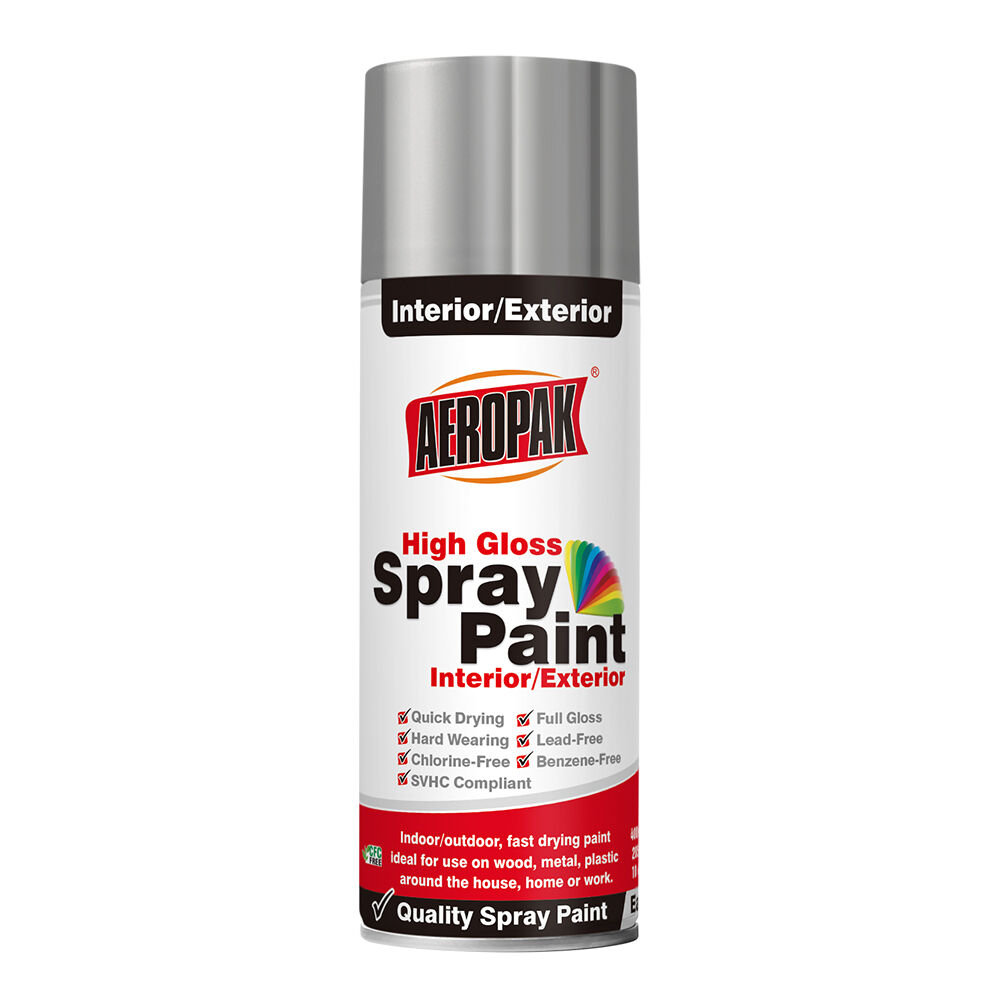
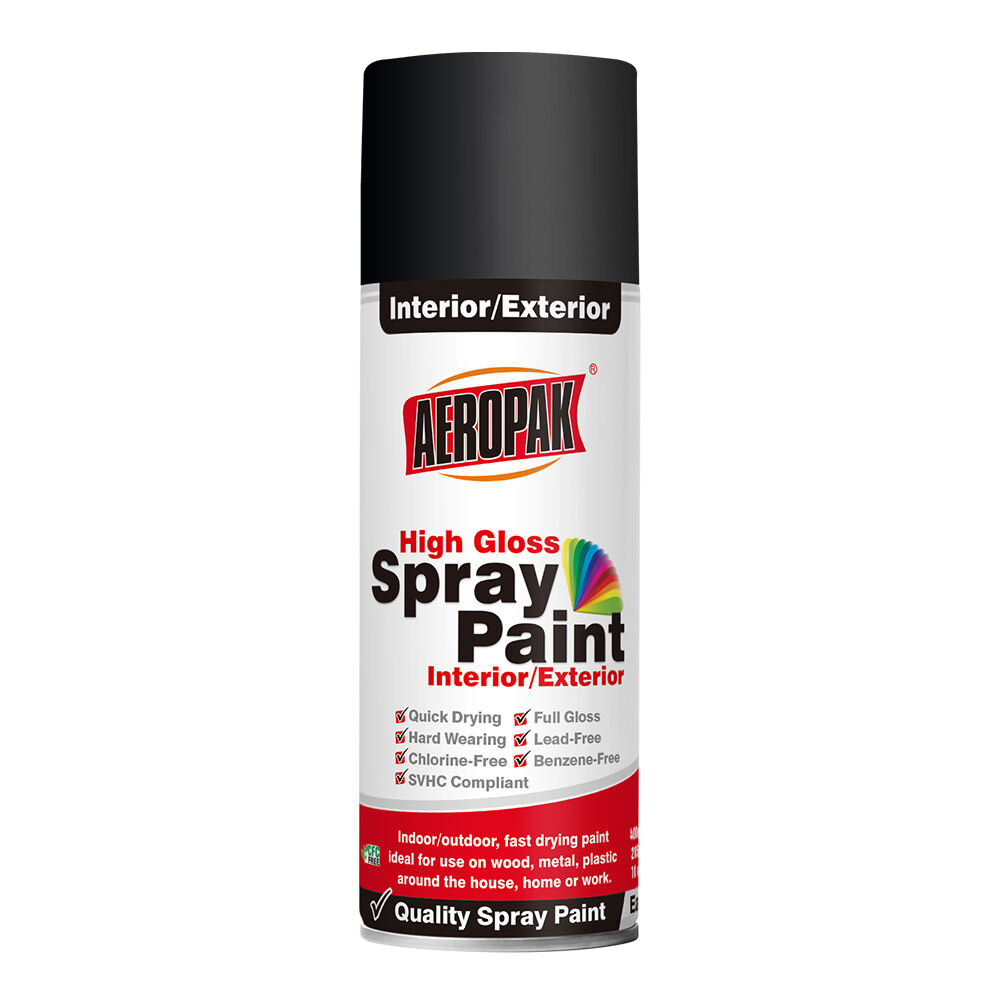
Handling spray paint safely is essential for protecting your health and preventing workplace accidents. Whether you're working on automotive refinishing, industrial coating projects, or decorative applications, proper safety protocols can prevent serious injuries and long-term health complications. Understanding the specific hazards associated with spray paint and implementing comprehensive safety guidelines ensures both personal protection and regulatory compliance in professional environments.
The safety considerations for spray paint extend beyond basic ventilation requirements to include proper equipment selection, chemical exposure prevention, and emergency response procedures. Professional spray paint applications involve complex chemical formulations that can pose respiratory, skin contact, and fire hazards when not handled according to established safety protocols. These guidelines form the foundation for creating secure work environments where spray paint operations can be conducted efficiently without compromising worker safety.
Personal Protective Equipment Requirements
Respiratory Protection Systems
Proper respiratory protection represents the most critical safety measure when handling spray paint. The fine particulates and volatile organic compounds released during spray paint application can cause immediate respiratory irritation and contribute to long-term health complications. Professional-grade respirators equipped with appropriate filters provide essential protection against inhalation of harmful substances present in spray paint formulations.
Full-face respirators offer superior protection compared to half-mask alternatives, especially when working with spray paint in confined spaces or during extended application periods. The selection of respiratory protection should align with the specific chemical composition of the spray paint being used, considering both the carrier solvents and pigment materials. Regular filter replacement and proper respirator maintenance ensure consistent protection throughout spray paint operations.
Air-supplied respirator systems provide the highest level of respiratory protection for intensive spray paint applications. These systems eliminate reliance on filtration efficiency and provide clean breathing air directly to the user. When working with spray paint in poorly ventilated areas or when conducting large-scale coating projects, air-supplied systems offer optimal safety assurance.
Skin and Eye Protection Protocols
Comprehensive skin protection prevents direct contact between spray paint chemicals and exposed skin surfaces. Chemical-resistant gloves specifically designed for solvent exposure provide essential hand protection during spray paint handling and application. The selection of appropriate glove materials depends on the specific solvents and chemical compounds present in the particular spray paint formulation being used.
Full-coverage work clothing made from tightly woven materials creates an effective barrier against spray paint particles and overspray. Disposable coveralls offer convenient protection for occasional spray paint users, while reusable chemical-resistant clothing provides cost-effective protection for regular applications. Proper coverage includes protection for arms, legs, and torso areas that might be exposed to spray paint during normal operations.
Safety goggles or face shields protect the eyes and surrounding facial areas from spray paint particles and chemical splashes. The enclosed design of safety goggles prevents spray paint particles from reaching the eyes through side gaps, while face shields provide additional protection for the entire facial area. When using spray paint in windy conditions or confined spaces, enhanced eye protection becomes particularly important.
Ventilation and Environmental Controls
Adequate Air Movement Systems
Proper ventilation removes spray paint vapors and particles from the work area, reducing the concentration of airborne contaminants to safe levels. Exhaust ventilation systems create negative pressure that draws contaminated air away from the worker's breathing zone and prevents the accumulation of hazardous vapors. The ventilation requirements for spray paint applications depend on the work area size, application volume, and specific chemical properties of the products being used.
Cross-draft ventilation systems provide effective air movement by introducing fresh air on one side of the work area while exhausting contaminated air from the opposite side. This configuration creates consistent air flow patterns that carry spray paint vapors away from the application area without creating turbulence that might interfere with coating quality. Professional spray paint operations often require ventilation rates of 100 feet per minute or higher to maintain safe working conditions.
Local exhaust ventilation captures spray paint contaminants at the source, providing more efficient removal compared to general ventilation systems. Spray booths equipped with proper filtration systems represent the gold standard for professional spray paint applications, combining controlled air flow with contaminant capture and filtration capabilities.
Work Area Preparation and Control
Proper work area preparation creates controlled conditions that enhance both safety and application quality when using spray paint. Removing potential ignition sources from the spray paint work area prevents fire and explosion hazards associated with flammable solvents. This includes eliminating open flames, electrical equipment that might generate sparks, and heat sources that could ignite spray paint vapors.
Establishing clear boundaries around spray paint work areas prevents unauthorized personnel from entering contaminated zones. Physical barriers or warning signs help maintain separation between spray paint operations and other workplace activities. Proper area isolation also prevents spray paint overspray from contaminating adjacent work areas or equipment.
Temperature and humidity control within the spray paint work area affects both safety conditions and application results. Maintaining appropriate environmental conditions reduces the volatility of spray paint solvents and minimizes the risk of vapor accumulation. Professional spray paint facilities often maintain specific temperature and humidity ranges to optimize both safety and coating performance.
Chemical Handling and Storage Procedures
Safe Storage Practices
Proper storage of spray paint products prevents container degradation, reduces fire hazards, and maintains product integrity over extended periods. Temperature-controlled storage areas protect spray paint containers from extreme heat that could increase internal pressure and compromise container integrity. Storage temperatures should remain within manufacturer specifications to prevent spray paint degradation and maintain consistent application properties.
Segregated storage systems separate spray paint products from incompatible materials that might create chemical reactions or increase fire risks. Flammable spray paint formulations require storage in approved flammable liquid cabinets that meet regulatory fire safety standards. Proper storage organization also facilitates inventory management and reduces the risk of using expired or compromised spray paint products.
Container inspection procedures identify damaged or compromised spray paint containers before use. Regular visual inspections check for signs of container corrosion, damage, or leakage that might indicate product degradation or safety hazards. Proper labeling systems ensure that spray paint products are correctly identified and that safety information remains accessible throughout the storage period.
Transfer and Application Safety
Safe transfer procedures minimize the risk of spills, exposure, and accidents when moving spray paint products from storage to application areas. Proper lifting techniques and appropriate transportation equipment prevent container damage and reduce the risk of worker injury. Secondary containment systems provide backup protection against accidental spills during spray paint transfer operations.
Application equipment inspection ensures that spray paint delivery systems operate safely and efficiently. Regular maintenance of spray guns, hoses, and pressure systems prevents equipment failures that might create safety hazards or result in uncontrolled spray paint release. Proper equipment grounding eliminates static electricity buildup that could ignite flammable spray paint vapors.
Controlled application techniques minimize overspray and reduce worker exposure to spray paint contaminants. Proper spray gun technique and application patterns ensure efficient material utilization while maintaining safe working distances from the spray pattern. Professional spray paint applications require specific techniques that balance coating quality with safety considerations.
Emergency Response and Incident Management
Immediate Response Procedures
Emergency response procedures for spray paint incidents require immediate actions to protect worker safety and prevent incident escalation. Skin contact with spray paint demands prompt removal of contaminated clothing and thorough washing with soap and water to prevent chemical absorption. Eye contact incidents require immediate irrigation with clean water for extended periods, followed by professional medical evaluation to assess potential damage.
Inhalation exposure to spray paint vapors necessitates immediate removal of the affected person from the contaminated area to fresh air. Monitoring for respiratory distress symptoms and providing appropriate medical attention ensures proper treatment of inhalation incidents. Severe exposure cases may require emergency medical intervention and specialized treatment for chemical inhalation injuries.
Spill response procedures minimize environmental contamination and reduce safety hazards associated with spray paint releases. Immediate containment using absorbent materials prevents spray paint from spreading to larger areas or entering drainage systems. Proper cleanup techniques and disposal methods ensure that spill residues are handled according to environmental regulations.
Documentation and Follow-up Actions
Incident documentation creates records necessary for regulatory compliance and continuous safety improvement in spray paint operations. Detailed incident reports capture the circumstances, contributing factors, and response actions taken during spray paint-related accidents or exposures. This information supports root cause analysis and helps prevent similar incidents in future spray paint applications.
Medical monitoring programs track the health status of workers regularly exposed to spray paint products. Regular health screenings detect early signs of chemical exposure effects and ensure appropriate medical intervention when necessary. Comprehensive medical surveillance programs provide long-term protection for workers involved in routine spray paint operations.
Continuous improvement processes use incident data and safety performance metrics to enhance spray paint safety programs. Regular safety audits and procedure reviews identify opportunities for improving safety protocols and reducing risks associated with spray paint handling. Ongoing training programs ensure that all personnel remain current on best practices for safe spray paint operations.
FAQ
What type of respirator is required for spray paint applications?
The minimum respiratory protection for spray paint applications is a NIOSH-approved respirator with organic vapor cartridges and particulate filters. For professional or extended use, full-face respirators provide superior protection compared to half-mask alternatives. Air-supplied respirator systems offer the highest level of protection for intensive spray paint operations or work in poorly ventilated areas.
How often should ventilation systems be inspected in spray paint work areas?
Ventilation systems in spray paint work areas should be inspected at least monthly to ensure proper operation and adequate air flow rates. Professional spray booth systems require more frequent inspections, often weekly or before each major project. Air flow measurements should be documented to verify that ventilation systems maintain the minimum air exchange rates required for safe spray paint operations.
What should you do if spray paint gets on your skin during application?
If spray paint contacts your skin, immediately remove any contaminated clothing and wash the affected area thoroughly with soap and warm water for at least 15 minutes. Avoid using solvents or harsh chemicals to remove spray paint from skin, as these can increase absorption of harmful substances. Seek medical attention if skin irritation, redness, or other adverse reactions develop after spray paint contact.
Are there specific storage temperature requirements for spray paint products?
Spray paint products should be stored at temperatures between 50°F and 80°F to maintain product stability and prevent container pressure buildup. Extreme temperatures can cause spray paint to separate, lose effectiveness, or create safety hazards due to excessive container pressure. Storage areas should be protected from direct sunlight and heat sources that could elevate spray paint temperatures above safe limits.